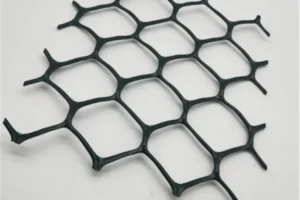
A driveway can rut before the surface is finished when aggregate, geogrid, fabric, and compaction are treated as separate decisions.
Geogrid driveway installation works best when a suitable biaxial grid is laid on a prepared subgrade, aggregate is placed without damaging the grid, and base depth and compaction match the expected traffic. Geotextile fabric may also be needed beneath the grid where separation and filtration are required.
Before placing an order, compare the project drawing, site condition, installation method, roll or bag dimensions, and delivery scope. This confirms that competing quotations cover the same system rather than products with similar names but different field performance. Confirm the test-data basis, inspection responsibility, and packaging details before the shipment is released, because these points directly affect site handling and acceptance.
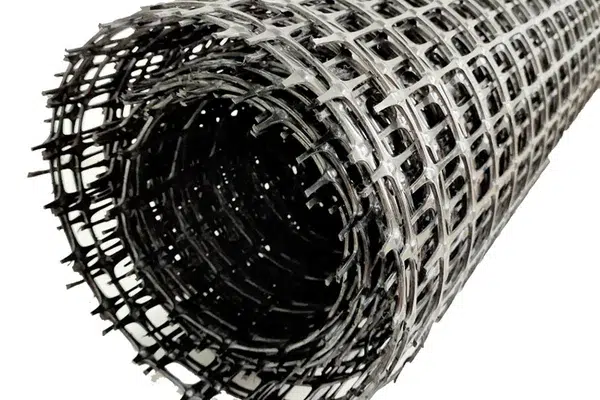
Send a site photo, soil condition, driveway area, expected vehicles, aggregate size, and destination for a practical geogrid specification check.
Request a driveway geogrid and base specification checkStart With the Subgrade
A driveway geogrid supports the aggregate layer; it does not eliminate the need to understand the ground below it. Soft clay, wet silt, organic soil, and a well-drained granular subgrade react very differently under vehicle loading. Before unrolling any grid, remove topsoil and unstable pockets, shape the formation, and identify drainage paths.
The relevant terms are subgrade modulus, aggregate interlock, and aperture stability. Biaxial geogrid is commonly selected for base stabilization because it works in both principal directions. FHWA guidance is useful for understanding how geosynthetics work within an aggregate and soil system. [1]
Choose Geogrid and Fabric for Different Jobs
Geogrid and geotextile do different jobs below a driveway. The grid improves aggregate confinement and load distribution; nonwoven geotextile can separate fine soil from stone and support filtration. Some sites need both layers, particularly where fine wet subgrade would otherwise pump into the base.
Factory Tip: a common RFQ says ‘geogrid with fabric’ without describing the soil. Do not assume the fabric is an upgrade in every case. If the subgrade is firm and drainage is good, the design may need a grid only. If fines are moving into the stone, separation fabric becomes a practical part of the base system.
| Site condition | Base-system focus | Key buyer check |
|---|---|---|
| Firm well-drained soil | Grid and compacted aggregate | Traffic and edge restraint |
| Soft fine subgrade | Grid plus separation fabric | Filtration, overlap, drainage |
| Heavy delivery traffic | Deeper engineered base | Design load and lift compaction |
| Wet driveway route | Drainage before surface | Water outlet and subgrade stability |
Base Depth Is Driven by Traffic and Ground
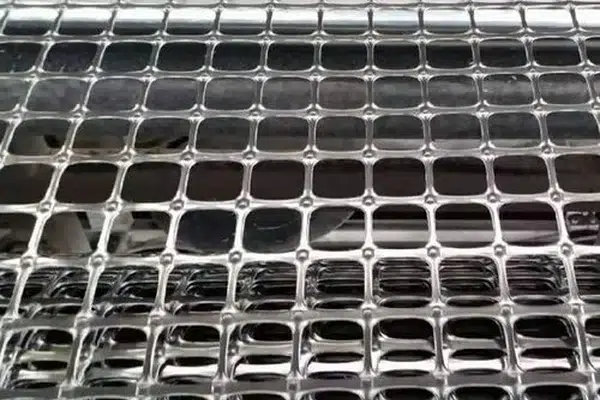
Base depth should be set by expected vehicles, subgrade condition, drainage, and local design requirements, not by a single universal number. A light residential driveway and a route used by delivery trucks or construction equipment have different stress levels. A grid may improve performance, but it cannot make an undersized base behave like a heavy-duty section.
Field Note: we have seen buyers try to reduce aggregate depth simply because a grid was included. The grid can help retain stone and reduce lateral spread, but the aggregate still needs enough thickness to distribute load. In wet areas, drainage and subgrade preparation often matter before any material substitution.
Lay the Grid Without Damaging It
Place driveway geogrid flat on the prepared formation, keep it tensioned enough to remove major wrinkles, and overlap or connect panels according to the project detail. Avoid turning loaded equipment directly on exposed grid. Place the first aggregate lift from the edge or by controlled placement so the grid is not dragged or folded.
Installation damage is a real issue when angular stone, aggressive dumping, or trafficking happens before a protective lift is in place. ASTM D5818 addresses installation-damage exposure and retrieval of geosynthetics. The site team should treat the first lift as protection for the grid as well as the start of the base. [3]
Compaction and Edge Restraint
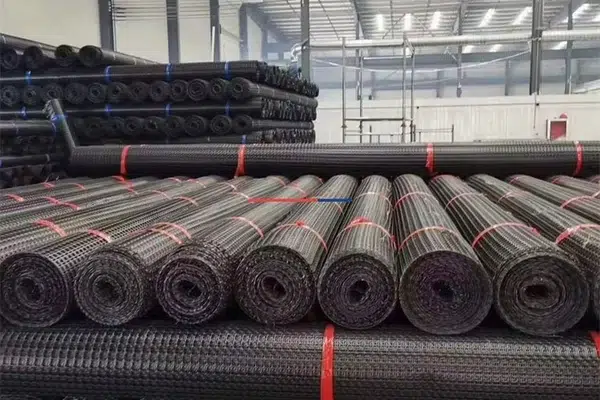
Compaction should be carried out in controlled lifts, while edges need restraint so aggregate does not migrate sideways. Poor compaction leaves voids; poor edge control lets the base spread even if the grid is intact. The driveway surface can then rut, settle, or crack at the margins.
Expert Insight: buyers often focus on grid tensile strength before asking how the contractor will compact the stone. For a driveway, a sensible aggregate size, lift thickness, moisture condition, and compaction plan may matter more than paying for a higher-strength grid that the site does not need. Compare the whole base system, not just the roll price.
RFQ Checklist Before Ordering
Send soil description, driveway dimensions, vehicle type, aggregate size, target base depth, drainage condition, geogrid model, fabric need, roll width, quantity, and delivery location. This makes quotations comparable and avoids ordering a road grid that does not fit the site.
Review MJY biaxial geogrid for base stabilization, then compare it with geotextile separation fabric when fines and drainage are concerns. IGS resources provide useful background on geosynthetic functions. [4]
My View
My view is that driveway geogrid is valuable when it is used to solve a real base problem, not as a generic layer placed under every load of gravel. The contractor should know where water goes, what traffic arrives in the wet season, and how the first aggregate lift will be placed. A properly selected grid can reduce aggregate spread and help maintain a stable base, but it cannot compensate for organic soil, poor drainage, or a base depth that is far below the project demand.
Conclusion
Geogrid driveway installation depends on prepared subgrade, correct grid and fabric roles, adequate base depth, protected placement, compaction, and edge control.
FAQs
Do I need geotextile fabric under driveway geogrid?
Use it when separation and filtration are needed between fine subgrade and aggregate. Not every firm, well-drained site needs the same layer combination.
What type of geogrid is used for a driveway?
Biaxial geogrid is commonly used for aggregate base stabilization because it supports interlock in two main directions.
Can geogrid reduce driveway base depth?
It may improve aggregate confinement, but base depth should still follow soil, traffic, drainage, and local engineering requirements.
References
- FHWA Geosynthetic Design and Construction Guidelines ↩
- ASTM D6637 Standard Test Method for Determining Tensile Properties of Geogrids ↩
- ASTM D5818 Standard Practice for Exposure and Retrieval of Samples to Evaluate Installation Damage of Geosynthetics ↩
- International Geosynthetics Society Education Resources ↩