A pond liner can fail long before filling if thickness, underlay, seam work, and site handling are selected as separate purchases.
An HDPE pond liner should be selected by pond purpose, water depth, subgrade, stone and root risk, slope, required service life, panel layout, underlay, and welding plan. Thickness is important, but puncture protection and seam quality often decide whether a liner remains leak-resistant after installation.
Before placing an order, compare the project drawing, site condition, installation method, roll or bag dimensions, and delivery scope. This confirms that competing quotations cover the same system rather than products with similar names but different field performance. Confirm the test-data basis, inspection responsibility, and packaging details before the shipment is released, because these points directly affect site handling and acceptance.
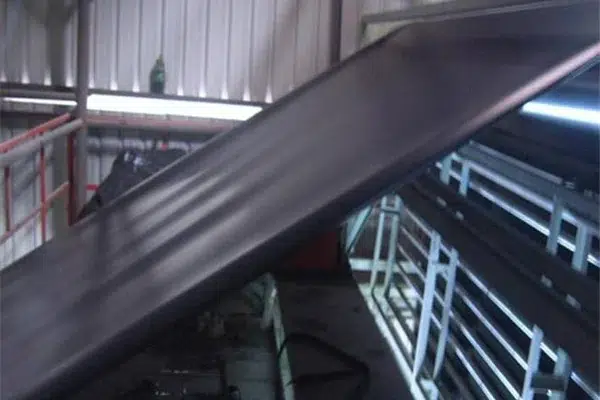
Send pond dimensions, water depth, subgrade photos, slope, liner thickness target, underlay need, and destination for a liner and seam review.
Request an HDPE pond liner project checkStart With the Pond Conditions
Pond use and site condition set the liner selection. A decorative farm pond, irrigation reservoir, aquaculture pond, wastewater pond, and industrial containment pond may all use HDPE geomembrane, but their exposure, loading, water chemistry, and consequence of leakage differ.
Confirm water depth, pond geometry, slopes, subgrade, groundwater, stone content, roots, livestock access, and whether the liner will be exposed or covered. These conditions affect thickness, surface texture, protection layers, anchorage, and the welding sequence. GRI GM13 is commonly used as a specification framework for HDPE geomembranes. [1]
Thickness Is Not the Only Leak-Control Decision
Thickness contributes to handling and puncture resistance, but thicker liner alone does not remove site risk. A rough subgrade, sharp stone, poorly prepared anchor trench, or exposed seam can damage a heavy liner. The correct approach is to match material thickness and the whole protection system to the site.
Factory Tip: when buyers ask only for a 0.5 mm, 0.75 mm, or 1.0 mm pond liner quote, ask what lies below and above the sheet. A modest liner with proper cushioning may perform better than a thicker liner placed directly over angular rock. ASTM D4833 is a common index puncture reference for geomembranes. [2]
| Pond condition | Liner-system focus | Key buyer check |
|---|---|---|
| Smooth prepared soil | HDPE liner with project-specific underlay | Water depth, panel layout, seams |
| Rocky or rough subgrade | Higher puncture protection | Underlay and stone removal |
| Sloped pond bank | Surface and anchoring consideration | Slope, interface friction, trench |
| Industrial or wastewater pond | Containment system review | Chemical exposure, thickness, seam QA |

Why Underlay Protects the Liner
Nonwoven geotextile underlay can cushion the HDPE pond liner and reduce puncture risk from rough subgrade, stones, and localized stress. Underlay selection should account for stone size, subgrade condition, liner thickness, and whether the liner will also need a cover or protective layer above it.
Field Note: a pond contractor once saved money by omitting underlay after a quick visual check of the excavated soil. After rain, small sharp fragments appeared at the surface and the crew had to add protection later. Installing underlay before panels are unfolded is usually simpler than lifting welded liner sections to correct localized risk.
Panel Layout and Welding
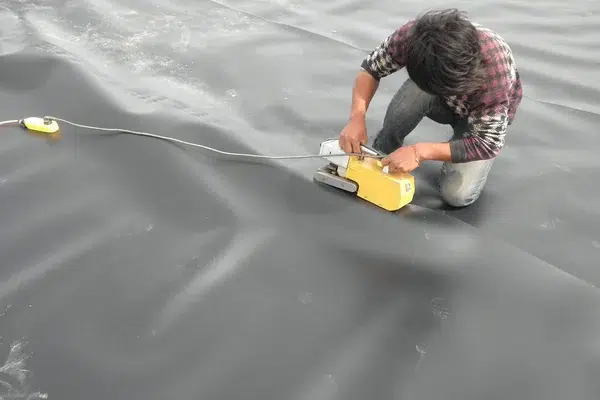
Leak prevention depends on a workable panel layout and controlled geomembrane welding. Plan roll direction, overlaps, slope access, anchor trench sequence, and the location of field seams before the liner arrives. Crews need clean, dry seam areas and a welding window suitable for the weather and material.
ASTM D6392 covers determination of nonreinforced geomembrane seam integrity. QC Check: confirm the welding method, trial seam process, destructive or non-destructive testing plan, repair procedure, and how seams will be identified in the field. A seam that looks smooth is not proof that it has the required bond quality. [3]
Avoid Common Pond Liner Mistakes
Most pond liner leaks begin with preventable installation details. Common mistakes include insufficient subgrade preparation, dragging liner across rough ground, omitted underlay, poor anchor trench geometry, dirty seams, unprotected penetrations, and filling before inspection is complete.
Expert Insight: the lowest liner price can be expensive when a project needs to drain a pond to find a puncture or seam defect. Good procurement includes roll width, panel plan, underlay, welding access, test records, and repair material. It is more useful to compare an installed liner system than a raw square-meter price.
RFQ Details Buyers Should Send
Send pond use, dimensions, water depth, slope, subgrade, stone risk, target thickness, smooth or textured surface, underlay requirement, panel size, welding method, quantity, and delivery location. This lets suppliers quote matching systems rather than unrelated liner rolls.
Review MJY HDPE geomembrane liner specifications, geomembrane containment options, and nonwoven geotextile protection layers. IGS education resources provide useful function context. [4]
My View
My view is that an HDPE pond liner purchase should start with the site and seam plan, not the thickness number alone. Thickness matters, but the first failure point may be a stone below the liner or a seam installed without proper cleaning and testing. The best RFQ lets the supplier see the pond use, ground condition, water depth, slopes, and installation constraints. That creates a realistic recommendation for liner, underlay, roll width, welding, and delivery rather than a generic price that transfers risk to the site crew.
Conclusion
HDPE pond liner performance depends on pond conditions, thickness, underlay, panel layout, welding quality, inspection, and careful handling before filling.
FAQs
What thickness HDPE pond liner should I use?
Thickness depends on pond use, water depth, subgrade, stone risk, slopes, exposure, and required service life. Confirm the whole liner system, not thickness alone.
Do I need underlay under an HDPE pond liner?
Underlay is commonly used where rough soil, stones, roots, or localized puncture risk could damage the liner.
How are HDPE pond liner seams checked?
A welding plan normally includes trial seams and specified inspection or test procedures. ASTM D6392 is a common seam-integrity reference.
References
- Geosynthetic Institute GRI GM13 Specification for HDPE Geomembranes ↩
- ASTM D4833 Standard Test Method for Index Puncture Resistance of Geomembranes ↩
- ASTM D6392 Standard Test Method for Determining the Integrity of Nonreinforced Geomembrane Seams ↩
- International Geosynthetics Society Education Resources ↩