A low geomembrane price per m2 can become expensive after welding, repair, freight, and failed inspection.
What Actually Changes Geomembrane Price Per m2
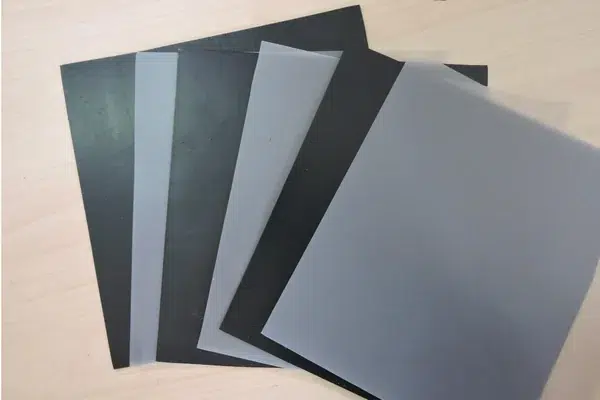
Geomembrane price per m2 is mainly driven by resin quality, thickness, surface texture, roll size, welding difficulty, freight, and project risk. The cheapest liner is not always the lowest project cost if it increases puncture risk, seam repair, or installation delay.
For B2B buyers, the core entity is the HDPE geomembrane liner. Price should be compared together with technical variables such as puncture resistance, seam strength, interface friction, chemical resistance, and carbon black dispersion. These are not decorative terms. They decide whether the liner survives the site condition.
Many HDPE geomembrane projects refer to GRI GM13 as a common quality framework for resin, density, carbon black, tensile, tear, puncture, and related properties.[1] If the quote does not include a data sheet, the buyer is comparing only plastic sheet, not project-ready liner.
Send your thickness, roll size, application, and destination port. MJY can review whether the quoted HDPE geomembrane liner matches the project risk.
Request an HDPE geomembrane specification checkThe Seven Cost Traps Buyers Miss
| Cost trap | What looks cheap | What can cost more later |
|---|---|---|
| Thin liner | Lower resin cost per m2 | Higher puncture and patching risk on rough subgrade |
| No texture check | Same liner price assumed | Wrong interface friction on slopes |
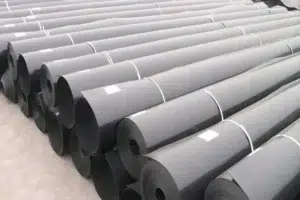
| Small roll width | Easier handling | More field seams and longer welding time |
| Weak documentation | Fast quotation | Failed owner review or delayed approval |
| Poor packing plan | Low FOB price | Unloading delay and site handling damage |
| No seam plan | Material-only comparison | Repair, retesting, and inspection delay |
| Ignoring application | One liner for all projects | Wrong material for hydrostatic pressure or chemical exposure |
Factory Tips
When we review a geomembrane inquiry at factory level, the first question is not only thickness. We check application, roll size, surface, expected welding method, and whether the site needs a protection geotextile. A buyer who sends only square meters usually receives a less accurate price.
A common hidden loss comes from seam quantity. If a narrow roll adds many field seams, the material may be cheaper per m2 but the installed cost can rise through welding labor, trial welds, seam testing, and repair time.
Thickness Should Match Site Risk
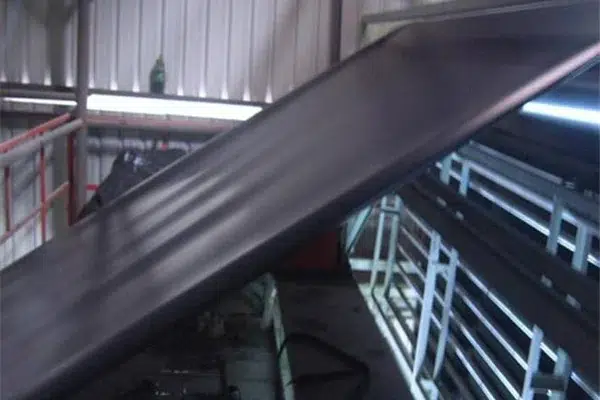
Thickness is often treated like a price switch: 0.5 mm, 0.75 mm, 1.0 mm, 1.5 mm, 2.0 mm. That is too simple. A pond liner, landfill cell, wastewater lagoon, mining pond, and canal lining do not carry the same hydrostatic pressure, subgrade roughness, or chemical exposure.
Nominal thickness should be checked through a recognized method, not only accepted from a label or invoice.[3] If a buyer pays for 1.5 mm but receives inconsistent thickness, the apparent saving disappears when the site team starts patching weak spots or defending the material during inspection.
Expert Insight
Thicker is not automatically better. A thicker liner can improve puncture margin, but it is heavier, harder to handle, and less forgiving during poor installation weather. The right question is whether the thickness matches the subgrade, water depth, slope, and required service life.
For pond, landfill, mining, or wastewater use, compare the quote with the correct HDPE geomembrane liner specification, not only with another supplier’s unit price.
Smooth vs Textured Geomembrane Price
Smooth geomembrane is usually easier to weld and handle on flat containment projects. Textured geomembrane normally costs more because the surface process is more complex, but it can be necessary where slope stability depends on interface friction between liner, soil, or geotextile layers.
The mistake is buying textured liner because it sounds stronger. Texture is not a decoration. If the project has steep slopes, cover soil, landfill sidewalls, or sliding risk, ask whether the design needs textured surface. If the site is flat, smooth liner may be the more practical choice.
Installation Cost Can Beat Material Cost
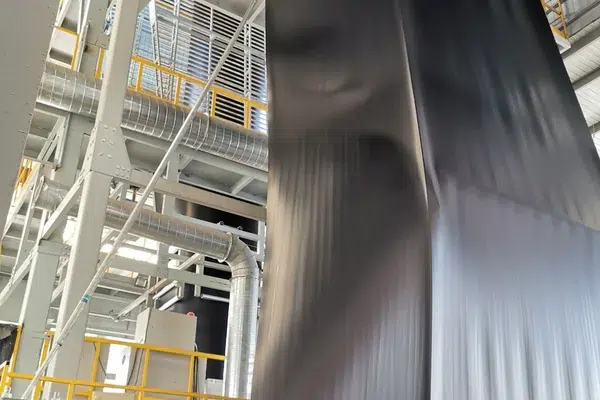
Geomembrane welding is where many cheap quotes become expensive. A liner with poor weld window, dirty surface, wrinkles, or inconsistent thickness can create seam problems that lead to repair, vacuum testing, air-channel testing, and delayed acceptance. Seam strength has its own test method because seam failure can be more serious than sheet weakness.[4]
Field Note: when a contractor asks for the lowest possible liner price, we often ask what equipment and crew will install it. If the answer is unclear, the real project risk is not the material price. It is rework, waiting time, and inspection failure after the liner has already reached the site.
Landfill-related projects may also need to consider regulatory liner expectations and system design, not only geomembrane sheet cost.[2] For application-specific planning, review MJY’s landfill geomembrane liner application guidance before finalizing the purchase list.
How to Compare Supplier Quotations
A serious quotation should make the comparison easy. If two prices are different, the buyer should be able to see why. If the quote hides resin basis, thickness tolerance, roll dimension, surface finish, test data, packing, or delivery term, the lower number may not be the better offer.
| Ask this before ordering | Why it matters |
|---|---|
| What resin and standard are used? | Supports long-term performance and document review |
| What is the roll width and length? | Affects seam count, handling, and container loading |
| Smooth or textured surface? | Changes interface friction and price |
| What test data is available? | Reduces approval and inspection risk |
| How is it packed for export? | Prevents unloading damage and site delay |
For project buyers comparing suppliers, use precise anchor language in the inquiry: ask for HDPE geomembrane liner pricing with thickness and roll size, not just “plastic liner price.” That gives the supplier enough detail to quote the right product.
Final Takeaway
Geomembrane price per m2 only matters when the liner fits the site, welds properly, passes inspection, and arrives in usable condition. The best price is the one that reduces rework risk, not the one that looks lowest in a spreadsheet.
## References
References
- Geosynthetic Institute – GRI GM13 Specification for HDPE Geomembranes ↩
- Electronic Code of Federal Regulations – 40 CFR 258.40 Landfill Liner Design Criteria ↩
- ASTM International – ASTM D5199 Nominal Thickness of Geosynthetics ↩
- ASTM International – ASTM D6693 Seam Strength of Thermoplastic Geomembranes ↩