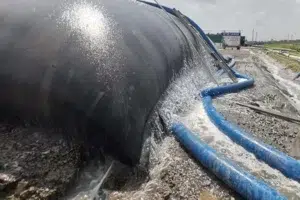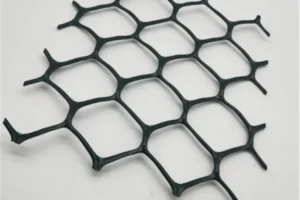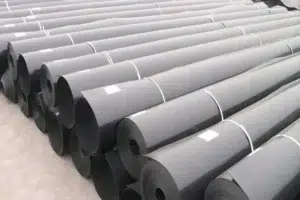
Choosing GCL or HDPE only by material price can leave a containment system with the wrong barrier role, poor seam planning, vulnerable overlaps, or a layer stack that does not match the approved design.
Geosynthetic clay liner and HDPE geomembrane are different barrier components, not direct substitutes in every project. GCL is commonly considered for a bentonite-based low-permeability layer, while HDPE provides a polymer sheet barrier when seam integrity, thickness, chemical exposure, and system design are addressed. Many projects use both in a composite design.
The right choice depends on what the layer must do, what lies above and below it, how it will be installed, and what performance evidence the project requires.
Send the containment section, liquid or waste condition, slope, subgrade, drainage, target layers, quantity, destination, and required documents for a specification review.
Request a barrier layer checkA barrier-system RFQ should state the application, design cross-section, hydraulic or chemical condition, subgrade, slope, adjacent layers, target product type, thickness or GCL configuration, roll size, overlap or seam requirements, quantity, destination, packaging, required standards, and acceptance documents. This helps distinguish a material inquiry from a complete containment-system requirement.
What Is the Functional Difference Between GCL and HDPE?
GCL and HDPE geomembrane use different barrier mechanisms. GCL relies on a bentonite-containing geosynthetic layer after suitable hydration and confinement, while HDPE geomembrane relies on the continuity and integrity of a polymer sheet and its seams.
The US EPA describes GCLs as thin bentonite-based layers attached to, or contained between, geosynthetic components. It also describes geomembrane as a polymeric sheet material that acts as a liquid barrier while it maintains integrity. The layer role should be interpreted within the approved containment design. [3]
That distinction changes procurement. A GCL review should include product configuration, bentonite mass, overlap, hydration condition, confinement, handling, and compatibility. An HDPE review should include thickness, surface type, panel plan, welding, seam testing, puncture protection, and chemical exposure where relevant.
Neither material should be presented as a universal replacement for the other. Local regulations, project design, liquid condition, and the responsible engineer determine the acceptable barrier system.
When Is a Composite System Considered?
A composite system may be considered when the approved design uses more than one barrier element to manage the project risk. The exact layer sequence and performance requirement must come from the project design and applicable rules.
For landfill context, EPA notes that composite liner requirements can include a flexible membrane over compacted clay soil, while GCLs may be used in certain landfill barrier applications subject to the relevant design and regulatory requirements. [4] [3]
A GCL plus geomembrane arrangement can be used in some designed systems because each layer has a different role. It should not be assumed that placing any GCL under any HDPE sheet creates an approved composite liner. Compatibility, overlap, interface shear, drainage, subgrade, detailing, and acceptance procedures must be checked.
The procurement team should request the design cross-section before comparing product prices. Without the layer order and project condition, it is easy to quote a material that is technically plausible but not the specified system.
| Project condition | What to confirm | Risk if missed |
|---|---|---|
| Landfill or waste containment | Approved liner system, regulation, leachate and drainage | Barrier role does not match design |
| Pond or water containment | Hydraulic condition, subgrade, seams, protection | Leak path or puncture risk |
| Slope cover system | Interface shear, anchorage, layer sequence | Sliding or difficult installation |
| Industrial containment | Liquid compatibility, temperature, seam and test plan | Unsupported material choice |
Which Specification Checks Matter for a GCL?
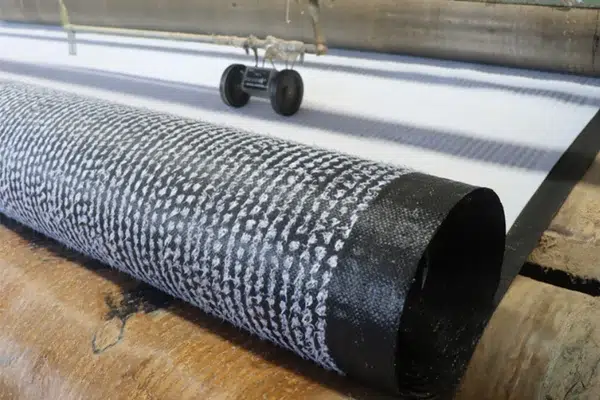
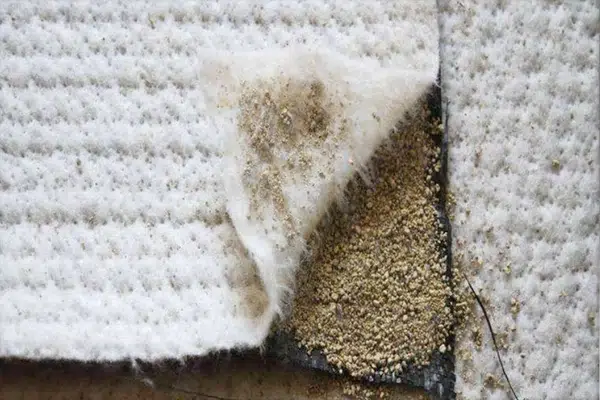
For GCL, buyers should confirm the product configuration, bentonite-related properties, carrier components, mass per area where specified, hydraulic testing, internal shear where relevant, roll dimensions, overlap guidance, and project-required acceptance documents.
GRI-GCL3 is a specification reference that covers GCL product categories and related testing. ASTM D5887 measures index flux through saturated GCL specimens under prescribed test conditions. These references help buyers identify documentation and test questions; they do not themselves select the final project liner. [1] [2]
Hydration and confinement are practical concerns. A GCL should be protected from premature hydration, contamination, loss of bentonite at damaged edges, and site handling that disrupts the intended overlap or barrier continuity. The project installation instructions should be followed rather than substituted with a generic overlap rule.
Factory Tip: Before bulk order, request the configuration drawing, roll width and length, stated test methods, labels, packaging, overlap guidance, and sample. A buyer should be able to identify the top and bottom faces and the intended installation orientation before the rolls reach site.
Which Specification Checks Matter for HDPE?
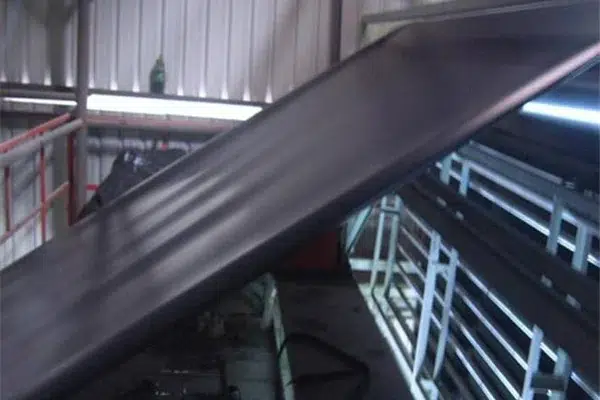
For HDPE geomembrane, buyers should confirm thickness, smooth or textured surface, resin and test documentation where required, roll or panel dimensions, seam procedure, destructive and non-destructive test plan, protection layer, and site handling sequence.
A geomembrane can be an effective low-permeability layer only when panels and seams remain intact. Thickness alone does not show seam performance, puncture protection, interface condition, or whether the delivery configuration fits the project layout.
Confirm whether the project calls for factory rolls, fabricated panels, smooth or textured surface, and what field welding equipment and inspection access are available. A seam plan that is workable on a flat pad may not be workable on a constrained slope or around penetrations.
Expert Insight: The common buying myth is that a GCL versus HDPE decision can be made from price per square meter. The commercial comparison should include layer function, protection, seam or overlap control, installation access, acceptance testing, waste, and the consequences of a mismatch in the approved system.
What Installation Risks Are Different?
GCL installation risks include damaged overlaps, premature hydration, contamination, poor confinement, and incorrect orientation. HDPE risks include puncture, poor subgrade preparation, damaged panels, weak welds, and incomplete seam inspection.
Both materials require a clean, prepared support surface and a controlled placement sequence. The layer above them can be as important as the layer itself because aggregate, cover soil, equipment, or rain can create a damage or handling problem before the barrier enters service.
Do not infer a GCL overlap from an HDPE seam detail, or an HDPE welding requirement from a GCL installation guide. Each material needs its own documented installation and inspection process, coordinated within the full project section.
QC Check: Before covering any barrier layer, record roll or panel labels, lot traceability, installed area, overlaps or seams, visible damage, repairs, inspection results, and any approved field change. This makes the material record useful during acceptance and later maintenance.
What Should Buyers Include in a Barrier-System RFQ?
A useful RFQ includes the project type, design section, material role, hydraulic or chemical condition, subgrade, slope, target layer configuration, dimensions, quantity, destination, test requirements, installation constraints, and required documents.
State whether the inquiry is for an individual material, a component of a specified composite system, or a request for general material options. A supplier can then distinguish product data from project-specific design advice and identify what still needs confirmation by the responsible engineer.
Buyers can review HDPE geomembrane liner options, explore the landfill containment application, and send the section through the barrier-system RFQ form before procurement.
FAQs
Can GCL replace HDPE geomembrane?
Not automatically. The materials have different barrier mechanisms and installation requirements. The final system should follow the approved design, project condition, applicable rules, and engineer review.
Why are GCL and HDPE sometimes used together?
A project may use a composite system with more than one barrier component. The layer order and purpose must be defined by the design, including drainage, protection, interface, and acceptance requirements.
What documents should buyers request?
Request the applicable data sheet, stated test methods, product configuration, roll dimensions, installation guidance, labels, batch traceability, packaging details, and project-required test or acceptance records.
Conclusion
GCL and HDPE geomembrane are not interchangeable labels. Confirm the barrier role, layer stack, installation risks, required documentation, and approved design before ordering either material.