Top Reasons Your Infrastructure Project Needs a Reliable Geocell Supplier
If you are sourcing geocell for road reinforcement, slope stabilization, or foundation support, the supplier you choose will directly affect structural safety and project profit. Many buyers focus on unit price, but long-term performance depends on working with a trusted geocell supplier.
How to choose a reliable geocell manufacturer? The weld strength of geocell materials, raw material quality and production control determine whether your engineered system will perform as designed.
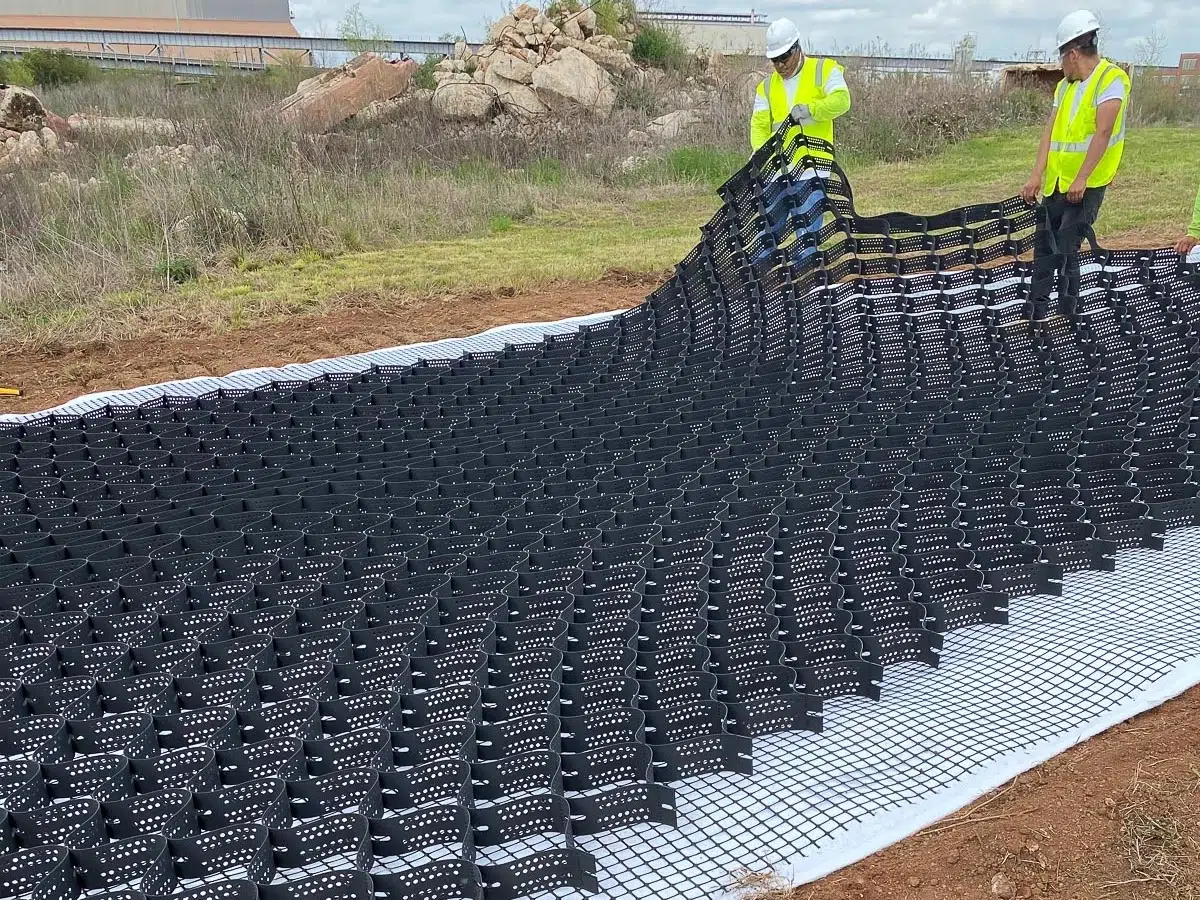
When buyers compare offers, most quotes look similar. However, not all geocell factories operate under the same quality discipline. I have seen projects where panels separated under load because weld strength was inconsistent. These failures are expensive to correct.
If you are reviewing suppliers, I suggest first understanding what defines a reliable geocell system from a production perspective.
What Risks Come from Choosing the Wrong Geocell Supplier?
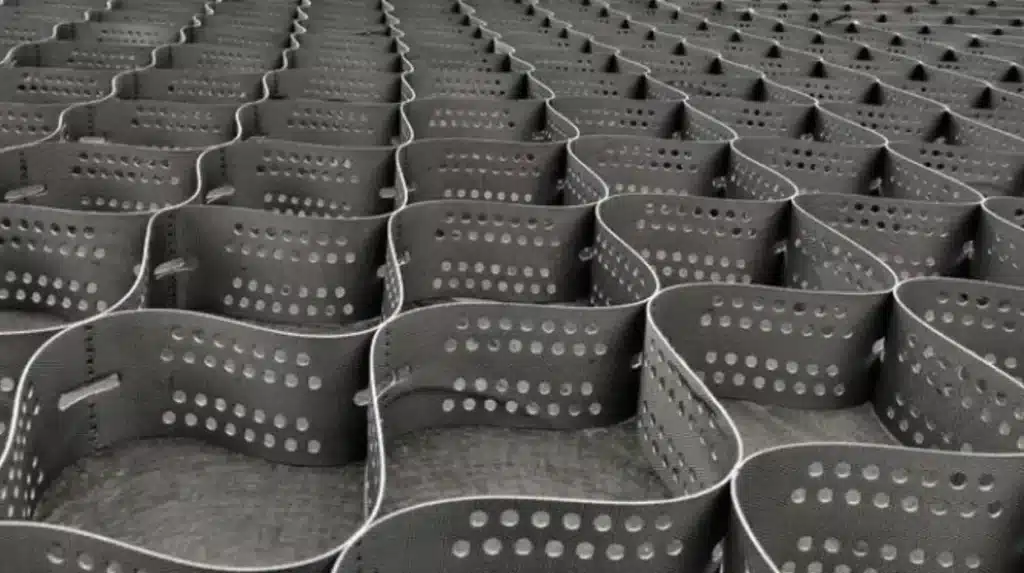
Geocells are more than just strips of plastic welded together. It is a load limiting system. Structural performance depends on joint integrity, panel thickness and polymer stability.
When the weld strength is weak, the geocell may tear under lateral pressure. When the thickness tolerance is negative, long-term creep resistance decreases. When recycled resins are mixed at high proportions, UV resistance and environmental durability may be compromised.
Common problems from unreliable suppliers include:
- Inconsistent weld spacing
- Uneven cell height
- Low seam peel strength
- Variable panel expansion dimensions
- Lack of testing documentation
These issues may not appear during delivery. They appear after traffic loading or heavy rainfall.
| Risk Area | Weak Supplier Result | Trusted Supplier Control |
|---|---|---|
| Weld Strength | Seam separation | Verified seam peel testing |
| Material Grade | Resin instability | Certified HDPE material |
| Thickness | Under-tolerance sheets | Calibrated extrusion control |
| Documentation | No traceability | Full quality reports |
A trusted geocell supplier prevents structural risk before installation begins.
How do reliable geocell manufacturers protect performance?
Infrastructure projects demand predictable material behavior. Roads, retaining walls, and slopes rely on geocell confinement to distribute load and prevent soil movement.
A professional geocell factory controls:
- Sheet density and resin grade
- Ultrasonic weld consistency
- Dimensional accuracy
- Panel expansion geometry
- Surface texture for friction
For heavy-duty road base reinforcement, weak welds lead to deformation. For slope stabilization, inconsistent panel shape reduces confinement efficiency.
Reliable suppliers conduct tensile testing and seam strength verification before shipment. Buyers should always request test data and compare it to project requirements.
If you are evaluating technical specifications, reviewing a detailed geocell product page helps clarify structural parameters and design intent.
Why Documentation and Traceability Matter
Large infrastructure projects often require compliance documentation. Without proper material data sheets and test reports, approval delays occur.
A trusted geocell supplier provides:
- Material data sheets
- Weld strength test reports
- Thickness inspection records
- Production batch traceability
- Installation guidance
This documentation protects the contractor during inspections. It also supports long-term asset management.
From export experience, I have seen projects delayed because documentation was incomplete. A professional supplier anticipates these requirements before shipment.
How Supplier Stability Impacts Total Project Cost
Low price does not equal low cost.
Unstable suppliers may:
- Miss delivery schedules
- Change raw material source
- Provide inconsistent product batches
- Delay technical support
Project delays increase labor and equipment expenses. Replacing defective material increases freight and reinstallation costs.
A stable geocell supplier maintains consistent production capacity and communication. Predictable delivery reduces operational risk.
Long-term cooperation also improves price stability. Bulk planning and repeat orders allow better production scheduling.
What Technical Support Should You Expect?
A reliable geocell manufacturer supports buyers beyond product delivery.
Professional support includes:
- Panel layout suggestions
- Anchoring guidance
- Infill material recommendations
- Installation advice for slopes and roads
Geocell performance depends on correct infill compaction and anchoring spacing. Without guidance, even good material may underperform.
Experienced suppliers understand real site challenges. They provide practical solutions instead of only shipping panels.
[Image placeholder: Geocell slope stabilization installation with gravel infill and anchoring process]
How to Identify a Trusted Geocell Supplier
Before placing an order, evaluate the supplier carefully.
Check:
- In-house extrusion and welding equipment
- Weld seam strength testing capability
- Export experience and reference projects
- Thickness tolerance control
- Response speed and technical clarity
| Evaluation Point | What to Verify |
|---|---|
| Production | Real factory operation |
| Testing | Seam and tensile reports |
| Experience | Infrastructure references |
| Quality Control | Thickness and weld consistency |
| Communication | Clear technical response |
Supplier selection is risk management. The right partner strengthens your structure and protects your timeline.
Conclusion
A trusted geocell supplier protects structural integrity, delivery schedule, and long-term performance. Cheap material creates hidden risks.
If you are planning road reinforcement or slope stabilization, contact us to request a factory quotation and technical evaluation for your project.