Road base problems are often blamed on the visible surface, while the real decision was made earlier in the subgrade, aggregate, and reinforcement layer.
Triaxial geogrid can be useful for road base and pavement stabilization when its aperture structure, aggregate, subgrade condition, construction traffic, and layer design work together. It is not a universal replacement for every geogrid or a substitute for an engineered base section.
For contractors, distributors, and project buyers, the relevant question is not whether a grid looks rigid on a pallet. It is whether the selected product and installation detail can support the intended aggregate interaction and load distribution within the approved pavement section.
Share the pavement section, subgrade condition, aggregate, traffic category, roll size, quantity, destination, and required standards for a project-based RFQ review.
Request a road base specification checkA road-base RFQ should identify whether the material is intended for stabilization, separation, reinforcement, or a combination of functions. It should also include the subgrade condition, aggregate gradation where available, design traffic, layer thickness, roll width, construction sequence, quantity, destination, and required test documents. A generic request for ‘strong geogrid’ leaves too much room for a product mismatch.
When Can Triaxial Geogrid Help a Road Base?
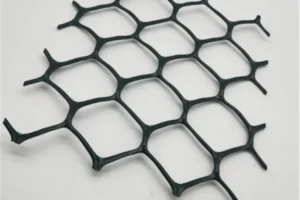
Triaxial geogrid may help where the pavement design needs aggregate interlock and improved load distribution over a weak or variable subgrade. The final fit depends on the grid geometry, aggregate, confinement, construction traffic, and approved base design.
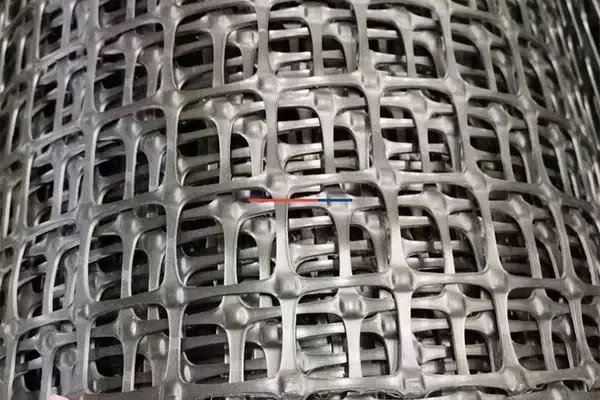
In a granular base, the objective is not simply to put a tensile product under stone. The grid must interact with the aggregate in a way that suits the loading and placement process. FHWA guidance treats geosynthetics as components of a designed earthwork or pavement system, so material selection should be tied to the section, subgrade, drainage, and construction sequence. [1]
A triaxial product is not automatically better than a biaxial or uniaxial grid. Road stabilization, retaining structures, and slope reinforcement use different load paths. The buyer should first confirm the function required in the design, then compare aperture structure, declared properties, roll layout, and installation practicality.
What Specifications Matter Beyond Tensile Strength?
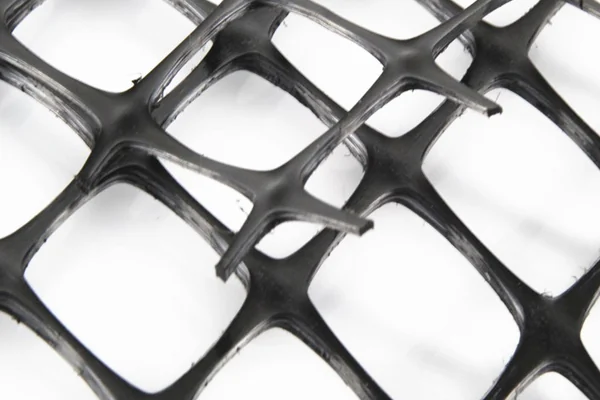
Tensile strength alone does not decide road-base performance. Buyers should review aperture stability, rib geometry, junction integrity, aggregate compatibility, roll width, installation damage resistance, and the design assumptions used for the project.
Short-term tensile test values can be useful product information, but they are not a complete pavement design. ASTM D6637 describes tensile testing for geogrids; it does not determine the required property for every road. For a long-life pavement, the design team may also need to evaluate soil-geogrid interaction, aggregate confinement, drainage, cyclic loading, and construction damage. [3]
| Project condition | Primary selection check | Risk if mismatched |
|---|---|---|
| Weak or wet subgrade | Formation condition, drainage, aggregate layer, grid placement | Rut development or loss of working platform |
| Construction haul road | Construction traffic, aggregate, roll width, installation sequence | Displacement during placement or early surface distress |
| Permanent pavement base | Approved design, long-term loading, drainage, layer thickness | A grid is specified without a complete pavement solution |
| Transition or widening area | Differential support, overlap or connection detail, compaction access | Localized settlement or difficult construction control |
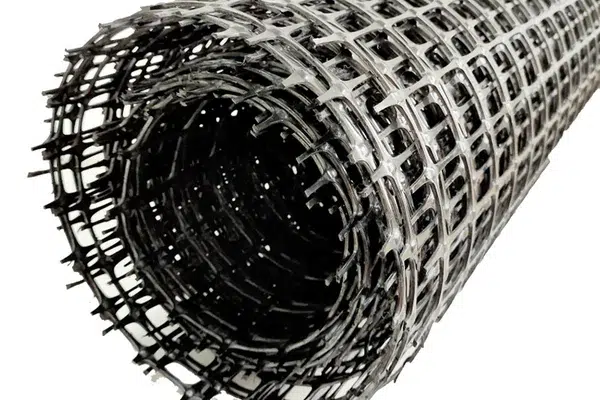
The common procurement shortcut is to compare kilograms per roll or a single tensile number. Those data points can matter, but they do not describe the full interaction with the aggregate and subgrade. A comparable quotation should show the material type, relevant test method, declared values, roll dimensions, packaging, and any project-required documentation.
How Does Installation Affect Stabilization?
Geogrid stabilization depends on placement over a prepared formation, correct roll orientation, controlled aggregate placement, and compaction that does not displace or damage the layer. The grid cannot correct an unaddressed soft spot or drainage problem.
Avoid dragging aggregate across an exposed grid where the project method requires direct placement and controlled spreading. Construction equipment, lift thickness, turning movement, and compaction sequence can change the result. The site method should follow the approved design and supplier installation guidance rather than an assumed universal practice.
Expert Insight: A grid with an impressive laboratory value can still be the wrong purchase if its roll width creates excessive joints, its aperture is not suited to the aggregate, or the installation team has no workable placement sequence. Constructability is a real procurement variable, not an afterthought.
How Should Buyers Compare Geogrid Quotations?
Buyers should compare the same function, declared properties, test method, roll dimensions, total coverage, packaging, lead time, and project documentation. A lower roll price may conceal more waste, extra joints, or a product that does not match the design intent.
FHWA engineering material emphasizes that geosynthetic selection is connected to application and design. For a project quotation, ask whether the proposal addresses the intended pavement function and whether the supplier has received enough input to make a material recommendation. [2]
Buyer Check: Before order release, confirm application, subgrade description, pavement section, aggregate type, traffic category, grid direction if applicable, roll size, coverage calculation, delivery access, packaging, labels, test data, and required documents. A qualified engineer should verify final design parameters.
What Should a Triaxial Geogrid RFQ Include?
A useful RFQ includes the pavement or road-base application, soil condition, aggregate, traffic, design section, area, roll preference, installation sequence, required test data, quantity, destination, and any specified standard or drawing reference.
Add the site climate and drainage approach where they affect formation condition. This gives a supplier enough context to discuss geogrid for road base stabilization rather than quote an undefined roll. The related uniaxial, biaxial, and triaxial installation guide can help project teams frame the placement discussion, while the project material recommendation form can be used before comparing offers.
FAQs
Is triaxial geogrid always better than biaxial geogrid?
No. The correct choice depends on the pavement function, aggregate, subgrade, load path, design, and installation method. Product geometry alone does not make a universal recommendation.
Can geogrid replace a proper aggregate base?
No. A grid can support a designed road section, but it does not replace required aggregate quality, layer thickness, drainage, compaction, or subgrade treatment.
What data should be requested from a supplier?
Request material type, declared performance data and test method, aperture information where relevant, roll dimensions, coverage, packaging, labels, batch traceability, and project-required documents.
Conclusion
Triaxial geogrid can support a road-base decision when aggregate, subgrade, design, placement, and procurement details align. Do not select it from a single tensile value or roll price.