July 20, 2026

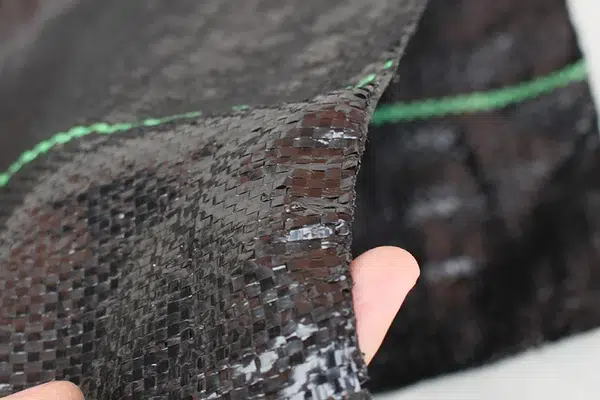
Woven polypropylene geotextile roll used for separation and stabilization planning

Woven Geotextile: Uses, Strength, and Differences from Nonwoven Fabric

Choosing woven geotextile by roll weight alone can leave a road, working platform, or separation layer with the wrong balance of strength, filtration, and installation durability. Woven geotextile is commonly considered when a project needs separation with relatively high tensile strength, controlled elongation, or support beneath aggregate. The correct fabric still depends on the soil, […]

Woven Geotextile: Uses, Strength, and Differences from Nonwoven Fabric Read More »

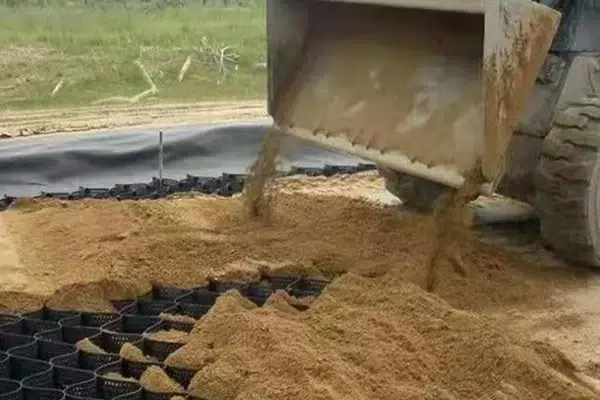
Expanded cellular confinement panel used for slope and retaining-face planning

Geocell Retaining Wall: When Cellular Confinement Is a Better Fit

A cellular confinement panel can improve a facing or slope detail, but it should not be treated as a substitute for a retaining-wall design when soil loads, drainage, geometry, and global stability have not been addressed. Geocell can be a useful retaining-wall or reinforced-slope facing option when cell depth, anchoring, infill, slope angle, drainage, and

Geocell Retaining Wall: When Cellular Confinement Is a Better Fit Read More »

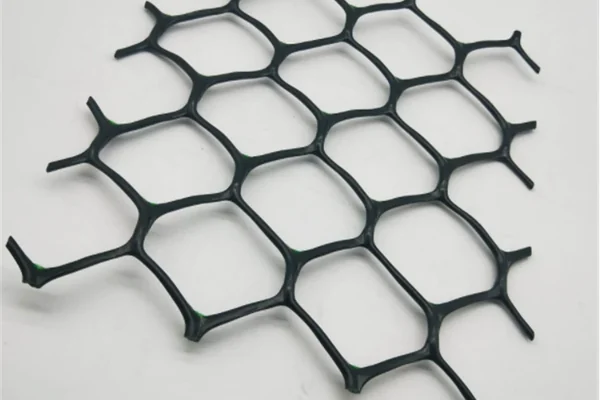
Geonet drainage mesh used for in-plane flow and drainage layer selection

Geonet vs Geotextile: Drainage Functions and Layer Selection

A drainage system can fail when geonet and geotextile are treated as interchangeable rolls, even though one is often selected for in-plane drainage and the other for filtration, separation, or protection. Geonet and geotextile perform different drainage-layer functions. A geonet is commonly used to create an in-plane flow path, while a geotextile can filter, separate,

Geonet vs Geotextile: Drainage Functions and Layer Selection Read More »

en_USEnglish

Get Free Quote!