Choosing woven geotextile by roll weight alone can leave a road, working platform, or separation layer with the wrong balance of strength, filtration, and installation durability.
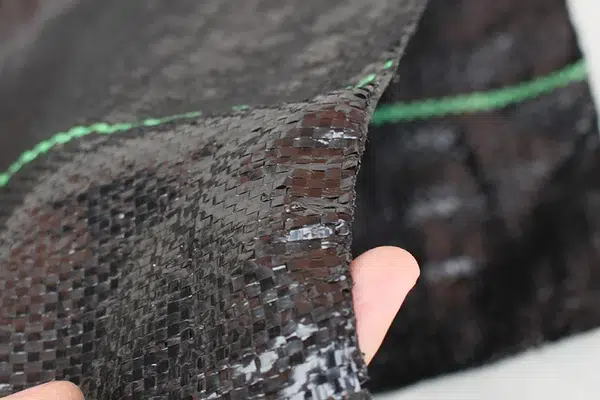
Woven geotextile is commonly considered when a project needs separation with relatively high tensile strength, controlled elongation, or support beneath aggregate. The correct fabric still depends on the soil, aggregate, load, opening-size requirement, water condition, and approved design.
The Spanish keyword geotextil tejido often brings buyers looking for a simple product definition. In a civil-work RFQ, the more useful question is whether the material will separate layers, stabilize a working surface, filter water, or perform several functions in the same section.
Send the soil condition, aggregate, traffic or loading, target roll size, area, destination, and requested test standard for a project-based material review.
Request a woven fabric spec checkFor quotation comparison, specify the intended function and construction section instead of asking only for a woven fabric price. Buyers should request polymer type if specified, tensile data and test method, elongation, apparent opening size where relevant, roll width and length, packaging, labels, quantity, delivery point, and required documentation.
Where Does Woven Geotextile Fit Best?
Woven geotextile can be a practical choice for aggregate separation and stabilization where tensile performance and controlled deformation matter. It is not automatically the best filter fabric for every drainage condition or fine soil.
A road base over soft formation, a temporary working platform, and an access route can all require separation between soil and aggregate. In these cases, the fabric may help maintain layer separation during placement. FHWA guidance treats geosynthetics as part of the overall earthwork system, so the final choice must match the subgrade, loading, drainage, and construction method. [1]
The fabric does not turn unsuitable saturated soil into a finished pavement by itself. It works with the designed aggregate layer, drainage strategy, compaction sequence, and traffic control. A qualified engineer should verify the final design parameters.
What Strength and Filtration Checks Matter?
For woven geotextile, tensile properties, elongation, apparent opening size, permittivity, puncture exposure, and seam or overlap details can all matter. The relevant properties depend on whether separation, reinforcement, filtration, or drainage is the controlling function.
ASTM D4595 provides a wide-width tensile test method for geotextiles. It is useful for comparing documented material data, but a published tensile value does not by itself establish field performance or the required design value. Buyers should ask how the property connects to the project function and stated test basis. [2]
Where filtration is important, opening size and water-flow characteristics should be reviewed with the soil condition. ASTM D4751 and ASTM D4491 provide test methods used to describe apparent opening size and permittivity. A fabric that looks strong can still be the wrong filter relationship for the soil and drainage detail. [3] [4]
| Project need | Useful material discussion | Risk if missed |
|---|---|---|
| Road or platform separation | Tensile behavior, subgrade, aggregate, installation damage | Aggregate mixes into weak soil or placement becomes difficult |
| Drainage filter | Opening size, permittivity, soil, aggregate | Migration or clogging risk is not evaluated |
| High handling exposure | Puncture resistance, roll weight, cover method | Tears or damage during aggregate placement |
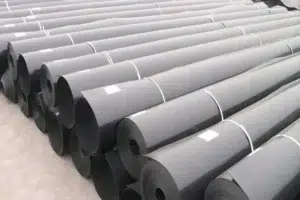
| Large site area | Roll width, overlap layout, container loading | Extra joints, waste, or slower installation |
Woven vs Nonwoven: What Changes?
Woven and nonwoven geotextiles are not interchangeable by name. Woven fabric is often considered for strength-led separation or stabilization, while nonwoven fabric is often considered for filtration, drainage support, and cushioning when its properties fit the project.
The correct distinction is functional, not promotional. Some projects use both materials in different layers. A buyer should compare the designed function, soil condition, hydraulic requirement, damage exposure, and available test data rather than treat one category as an upgrade over the other.
Expert Insight: A low price per square metre can hide a costly site issue when the roll width creates too many overlaps or the selected fabric does not match the aggregate placement method. Material coverage and installation practicality belong in the quotation review.
What Installation Errors Cause Trouble?
Common errors include placing fabric over unprepared soft spots, leaving wrinkles or folds under aggregate, using an unapproved overlap detail, dragging coarse stone across exposed fabric, and allowing construction traffic before the layer is covered as planned.
Prepare the formation, follow the project layout, protect the fabric from puncture, and place cover in a controlled sequence. The overlap and cover thickness must follow the approved drawing or installation plan. A generic overlap rule cannot replace the site-specific detail.
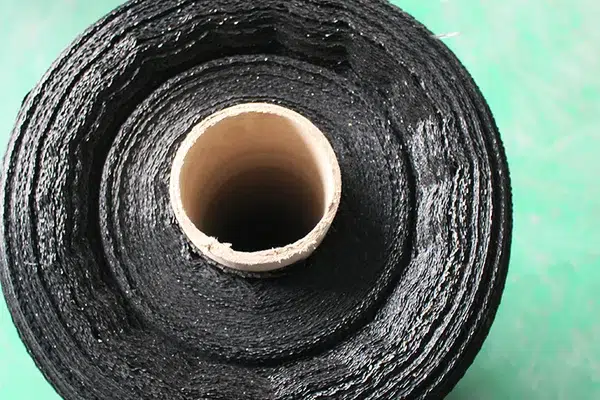
QC Check: Before bulk supply, confirm the approved data sheet, test basis, roll dimensions, labels, packaging, batch traceability, coverage calculation, delivery access, and any sample approval. This helps the procurement specification match the installation plan.
What Should a Woven Geotextile RFQ Include?
A practical RFQ should state the application, soil condition, aggregate, expected loading, drainage condition, target properties or design reference, roll dimensions, area, quantity, destination, packaging, and required test documents.
State whether the fabric will be used under road aggregate, in a working platform, around a drainage layer, or for another function. Buyers can review geotextile material options, compare broader geosynthetics application guidance, and send the section through the project specification request form before ordering.
FAQs
Is woven geotextile always stronger than nonwoven geotextile?
Not in every relevant property or application. The project should compare the stated tensile, elongation, filtration, puncture, and hydraulic requirements rather than rely on the product category alone.
Can woven geotextile be used for drainage?
It can be considered in some drainage-related details, but opening size, permittivity, soil condition, and filtration stability must be evaluated for the designed water path.
What should buyers request before purchase?
Request the data sheet, test methods, roll size, coverage, labels, packaging, batch traceability, required documents, and a recommendation tied to the project section.
Conclusion
Woven geotextile is a function-led material, not a generic fabric roll. Match its strength, filtration behavior, roll layout, and installation method to the project before comparing price.