A slope can fail slowly or suddenly. I have seen runoff, shallow sliding, and surface loss turn a small slope issue into a costly repair.
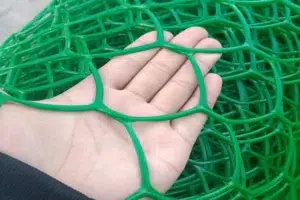
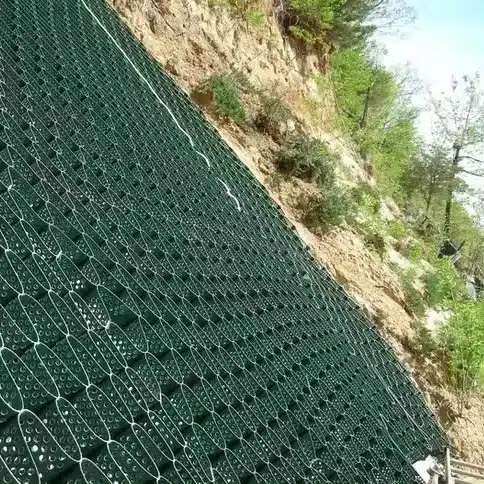
Geocell helps in slope stabilization by confining soil or aggregate inside a three-dimensional cellular structure. This confinement limits surface movement, reduces erosion, improves load spread, and helps the slope keep its shape under water flow, gravity, and repeated weather exposure.

I do not see geocell as just another plastic product. I see it as a structural way to hold the upper slope layer in place and make the slope system more stable over time. That is why many engineers, contractors, and buyers ask how it actually works, where it works best, and what they should check before they buy from a geocell manufacturer or compare hdpe geocell manufacturers.
What does geocell actually do on a slope?
A slope often fails first at the surface. Water flow, weak soil, and low root hold can slowly remove material and start shallow movement.
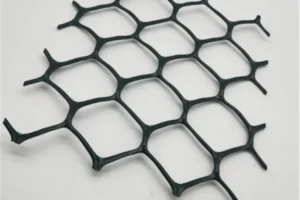
Geocell works on a slope by creating three-dimensional confinement for infill materials[^1]. The cells hold soil, topsoil, or aggregate in place, reduce lateral movement, and make the upper slope layer more resistant to runoff, sheet flow, and local sliding.

It confines the slope surface
I usually explain geocell in simple terms. It turns a loose slope cover into a more stable matrix. Instead of letting soil sit loosely on the face of the slope, the cellular structure breaks the surface into many small confined zones. Each zone helps resist movement. That matters because surface soil does not usually move everywhere at once. It starts locally. Geocell helps stop that local movement from spreading.
It reduces erosion from runoff
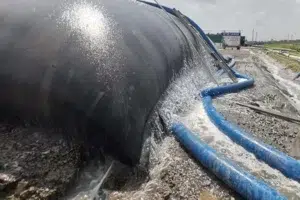
A slope does not only face gravity. It also faces water. When rainwater moves across the face of the slope, it can cut channels, remove topsoil, and weaken the cover layer. A geocell system helps because the infill stays inside each cell, which reduces washout and keeps more material on the slope face. This is one reason geocell is often used where runoff is a repeated problem.
It supports different infill choices
I also like geocell because the same system can work with different infill types depending on the project goal. If I want a greener finish, I can use topsoil and vegetation. If I need more surface strength, I can use aggregate. If the project needs hard armor, some systems can even work with concrete infill. That flexibility makes geocell useful for highway embankments, channels, industrial slopes, landfill side slopes, and erosion-prone cut areas.
| Geocell function on slope | Why it helps |
|---|---|
| Confinement | Limits lateral soil movement |
| Surface protection | Reduces erosion and washout |
| Load spread | Helps reduce local stress concentration |
| Infill retention | Keeps soil or stone in place |
| System flexibility | Works with vegetation, aggregate, or hard armor |
When I explain slope stabilization to buyers, I do not focus only on the product sheet. I focus on the failure mode. Once I understand whether the slope problem is erosion, shallow instability, runoff damage, or cover loss, I can better explain how geocell helps.
Why is geocell effective for slope stabilization?
Many slope problems start in the upper layer, not deep inside the whole embankment. That is why surface reinforcement can make a big difference.
Geocell is effective because it combines confinement, surface retention, and drainage-friendly design in one system. It helps the slope resist sheet flow runoff and seepage damage[^2] while keeping the infill more stable than an unconfined cover layer.
It improves the stability of the near-surface zone
In many real projects, the first weak point is not a deep rotational failure. It is shallow loss of material near the surface. Once the cover starts to move, the slope becomes more exposed, and the risk grows. Geocell helps stabilize that near-surface zone by locking the infill into a cellular network. This reduces downslope creep and helps the face resist local disturbance.
It can support steeper slopes
I do not like to oversimplify this point. Geocell does not magically solve every steep slope. The full design still depends on slope angle, soil condition, water, anchoring, and loading. But geocell can help support steeper slope designs than an unprotected loose-soil face because it gives the cover layer more structural hold. In practice, this can improve design flexibility and reduce the need for heavier surface treatments in some cases.
It works with vegetation
This is a big benefit for many buyers. Some stabilization systems protect the slope but create a hard, less natural finish. Geocell can do both in the right application. It can protect the slope while allowing topsoil and vegetation to grow within the cells. That matters for projects where appearance, drainage, and environmental acceptance all matter.
| Reason geocell is effective | Practical meaning |
|---|---|
| Near-surface confinement | Helps reduce shallow movement |
| Runoff resistance | Cuts erosion risk from water flow |
| Flexible infill options | Matches different site goals |
| Vegetation support | Allows greener slope finishes |
| Modular structure | Easier to adapt to different slope zones |
When I compare systems, I do not ask only whether geocell is “good.” I ask whether it fits the slope problem better than the alternatives. In many erosion-driven or shallow-stability cases, the answer is yes.
Where is geocell most useful in slope applications?
Not every slope has the same risk. Some slopes mainly lose topsoil. Some suffer from runoff damage. Some need both stabilization and a finished surface.
Geocell is most useful on slopes where the project needs surface stabilization, erosion control, infill retention, and flexible facing options. It is often used on roadway embankments, bridge approaches, channels, landfill slopes, mining slopes, and landscaped cut or fill slopes.
Road and highway slopes
This is one of the first cases I think about. Road embankments and roadside slopes often face stormwater runoff, maintenance limits, and repeated weather exposure. Geocell helps protect the upper slope layer and reduce loss of cover material. For buyers sourcing from geocell manufacturers or geocell manufacturers in China, roadway work is one of the most common target applications.
Channels, drainage paths, and water-affected slopes
I also see strong value where water is part of the problem. If runoff concentrates on the slope face or at the toe, unconfined material can wash away fast. A cellular system helps keep the infill in place and gives the surface more resistance. The exact design still depends on flow condition, slope angle, and anchor details, but the system is useful where water movement cannot be ignored.
Industrial and environmental slopes
Landfills, containment areas, mining sites, and industrial earthworks often need slope protection that is durable and controlled. In these cases, geocell can help protect cover layers and support aggregate, vegetation, or other infill choices. I also pay close attention to chemical exposure and long-term material performance in these projects, which is one reason many buyers focus on HDPE and ask detailed questions to hdpe geocell manufacturers.
| Slope application | Why geocell fits |
|---|---|
| Highway embankments | Reduces erosion and cover loss |
| Bridge approaches | Helps stabilize exposed slope faces |
| Drainage channels | Improves infill retention under runoff |
| Landfill side slopes | Protects cover systems |
| Mining and industrial slopes | Supports controlled, durable facing |
I do not recommend geocell by keyword alone. I recommend it when the application needs controlled surface stability and the design team wants more than a simple blanket or loose cover.
What should buyers check before choosing a geocell manufacturer?
A slope system is only as reliable as the product quality and the factory behind it. A weak panel or poor weld can damage the whole result.
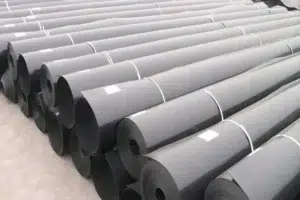
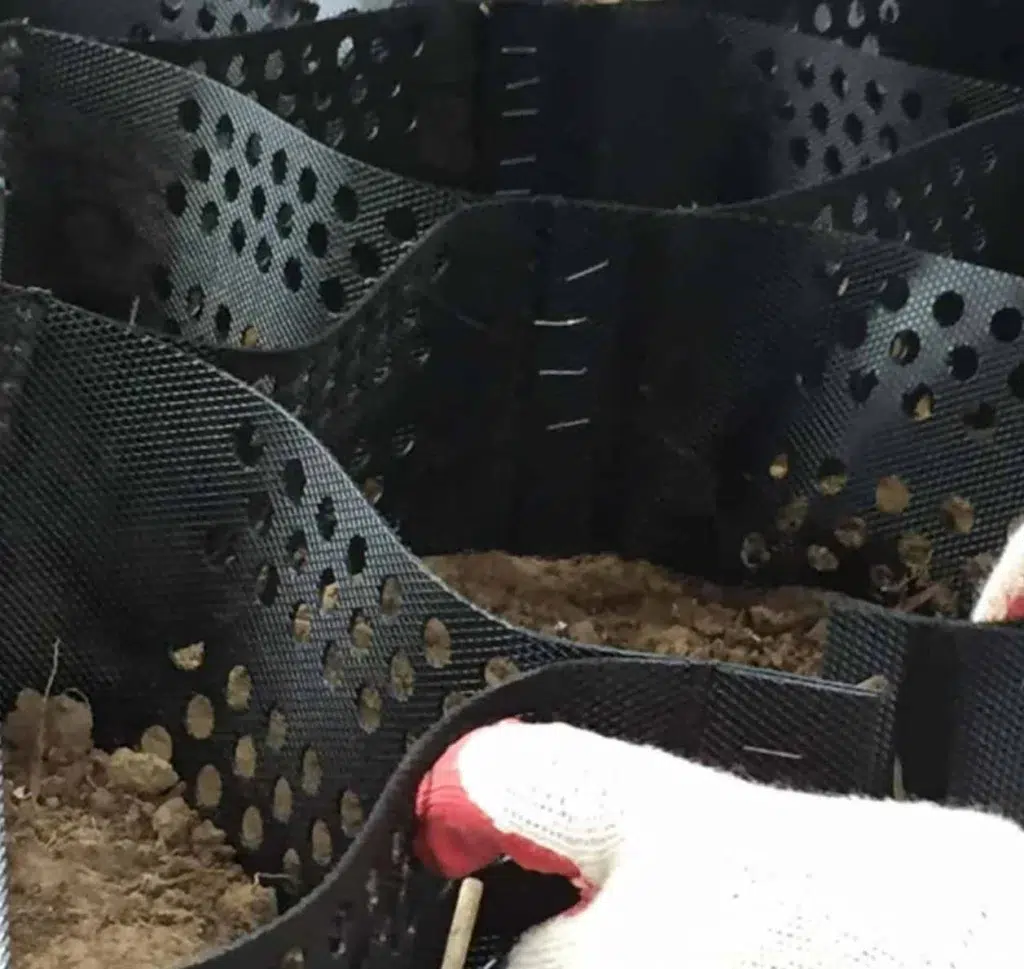
Before choosing a geocell manufacturer, I check raw material, seam quality, dimensions, anchoring support, and application knowledge. I also review whether the supplier can explain chemical resistance and polymer durability[^3] in a clear way for the intended site conditions.
I check the material first
For many slope projects, HDPE is the common starting point. I ask what resin is used, whether the material is suitable for the site environment, and how the supplier controls quality from batch to batch. I do not treat “HDPE” as enough by itself. I want to know the quality level behind the label.
I check weld strength and dimensional consistency
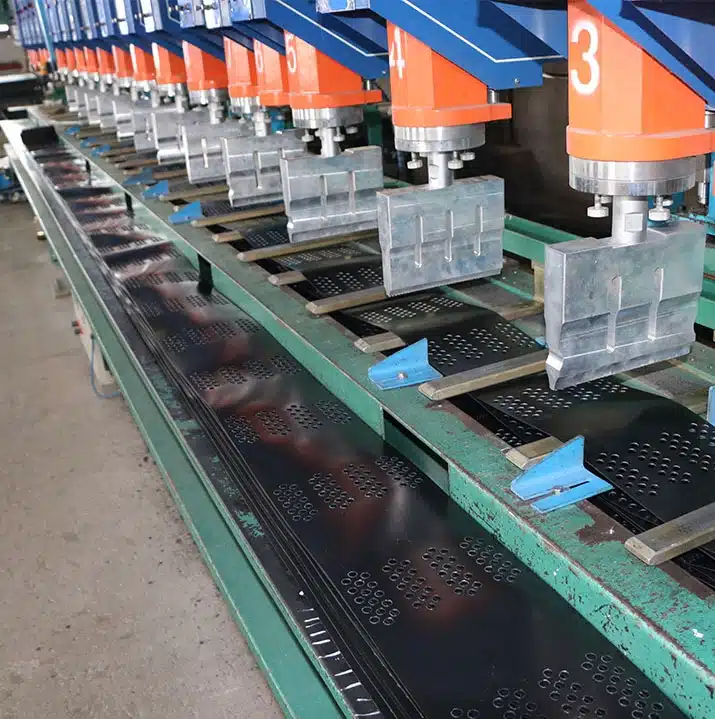
A geocell slope system depends heavily on the integrity of the welded joints and the consistency of the panel dimensions. If the welds are weak or the cell geometry varies too much, installation quality and field performance can suffer. This is why I always ask about seam strength, sheet thickness, cell height, and production control when I compare geocell manufacturers.
I check whether the supplier understands slope design logic
This matters more than many buyers expect. A serious supplier should ask about slope angle, infill type, runoff condition, anchor method, and target finish. A weak supplier will often only quote price. I want a factory that understands the application, not just the export carton.
| What I check in a supplier | Why I check it |
|---|---|
| Raw material quality | Affects durability and site suitability |
| Weld strength | Affects structural integrity of the cells |
| Cell dimensions | Affects installation and design fit |
| Application knowledge | Helps avoid wrong product choice |
| Export and project support | Helps reduce order risk |
If I am comparing geocell manufacturer options, especially among geocell manufacturers in China, I do not compare only price. I compare control, technical understanding, and consistency. That is what protects the project.
How should I compare geocell manufacturers for slope projects?
Many buyers search broad terms like geocell manufacturer, geocell manufacturers, or hdpe geocell manufacturers. The better question is how to compare them in a useful way.
I compare geocell manufacturers by slope application experience, product consistency, technical response quality, and support after quotation. A good supplier should explain not only what it sells, but also why that panel suits the slope condition.
I compare the technical answers
When I ask about slope angle, infill choice, runoff exposure, anchoring, or vegetation use, I want specific answers. If the replies stay general, I become careful. Technical clarity is often the fastest way to separate a real project supplier from a basic trading quote.
I compare documents, not only samples
A sample matters. But I also compare datasheets, test values, packing logic, and consistency in the quotation. If the story changes from one document to another, I treat that as risk. I want the factory’s sales message and production capability to match.
I compare whether the supplier helps reduce buyer risk
This is the point that matters most to me. I want fewer surprises after payment. I want clear communication, stable production, and useful follow-through. When I find that combination, I do not mind if the quote is not the lowest.
My View
I see geocell as a practical slope-stabilization tool because it solves a real field problem in a simple structural way. It confines the slope surface, reduces erosion, supports different infill choices, and gives the designer more control over how the slope performs over time. But I also know the product alone is not enough. The project still needs the right design logic, the right infill, the right anchoring, and the right supplier. That is why I always connect the technical side to the sourcing side. A strong system starts with both.
Conclusion
Geocell helps in slope stabilization by confining the surface layer, resisting erosion, and improving slope durability when the product and project design are both chosen well.
[^1]: This source explains how a geocell slope protection system provides three-dimensional confinement to hold infill on the slope face.
[^2]: This source shows how geocell systems are used to resist erosion from sheet flow runoff and seepage on roadway slopes.
[^3]: This guide explains geosynthetics as polymeric products and helps readers understand why polymer durability and chemical resistance matter.