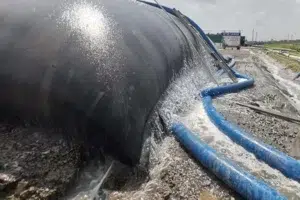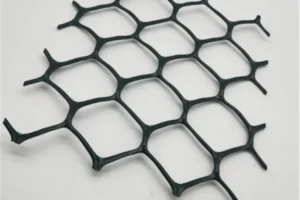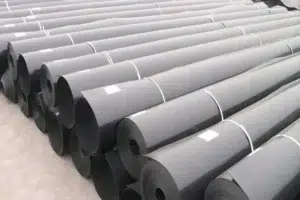
A retaining-wall grid can look correctly placed while doing little useful work if its tensile direction, length, backfill, connection detail, drainage, or construction sequence does not match the approved wall design.
Geogrid fabric for retaining walls should be selected by the approved reinforcement design, required direction, long-term design strength, length, backfill, facing connection, drainage, and installation sequence. A generic roll price or short-term tensile value is not a wall design.
The first procurement question is what role the grid plays in the reinforced-soil system and what information the supplier needs to match the drawing.

Send the wall section, height, facing, backfill, drainage, reinforcement layout, quantity, destination, and required documents for an RFQ review.
Request a wall geogrid checkA retaining-wall geogrid RFQ should state wall height and geometry, facing type, design reinforcement length and direction, backfill, drainage, surcharge conditions, roll width, quantity, destination, packaging, labels, and required test or project documents. This prevents a generic grid quote from being treated as a replacement for the approved structural detail.
What Does Geogrid Do in a Retaining Wall?
In a reinforced-soil wall, geogrid layers can provide tensile reinforcement within the soil mass when their strength, length, spacing, connection, and direction follow the approved design.
The grid function is different from a surface fabric or a drainage layer. It must interact with compacted backfill and connect to the wall system as the design requires. The final layout, reinforcement length, and facing detail should be determined by the responsible engineer.
FHWA MSE wall guidance discusses reinforced soil structures as complete systems involving reinforcement, backfill, facing, drainage, construction control, and external loading. [1]
Which Specification Variables Matter Most?
The key variables are design strength, tensile direction, reinforcement length, grid type, aperture structure, backfill interaction, connection detail, roll width, and the long-term assumptions used in the project.
ASTM D6637 provides a tensile test method for geogrids. A test value can help compare products, but it is not a project-specific long-term design requirement. Creep, installation damage, durability, connection, and design methodology may affect the final specification. [3]
Buyers should not assume that a biaxial grid for aggregate stabilization is interchangeable with a uniaxial grid selected for a defined wall reinforcement direction. The product must match the approved load path.
| Project condition | What to confirm | Risk if missed |
|---|---|---|
| Low wall with surcharge | Design length, backfill, drainage, facing | Reinforcement detail is under-specified |
| Tall or staged wall | Layer spacing, connection, construction sequence | Grid cannot be placed or compacted as designed |
| Wet backfill condition | Drainage, filter layers, moisture control | Water pressure and poor compaction risk |
| Limited site access | Roll width, panel layout, equipment space | Extra joints or installation delay |

How Does Backfill and Drainage Change the Result?
Backfill quality, compaction, drainage, and water control can change the performance of a reinforced-soil wall as much as the selected grid. The geogrid does not make unsuitable saturated fill acceptable.
The wall section should define drainage behind and beneath the wall where required, as well as any filter layer and outlet condition. The construction sequence must keep water and uncontrolled fines from compromising the compacted backfill zone.
FHWA geosynthetic design guidance reinforces that application conditions, not product category alone, govern selection. The project should identify the soil and installation environment before materials are ordered. [2]
Which Installation Errors Cause Rework?
Frequent mistakes include rotating the grid from its intended tensile direction, cutting reinforcement length without approval, using unsuitable backfill, damaging layers during placement, and burying records before inspection is complete.
The site team should confirm roll orientation, reinforcement elevation, length, facing connection, fill lift, compaction method, and drainage detail before each layer is covered. A small layout error can make the specified reinforcement strength irrelevant in the direction it was intended to work.
Buyer Check: Before dispatch, compare the drawing, grid direction, roll dimensions, coverage, labels, batch traceability, connection accessories, packaging, delivery access, and required data sheets.
How Do Facing Connections and Panel Layout Matter?
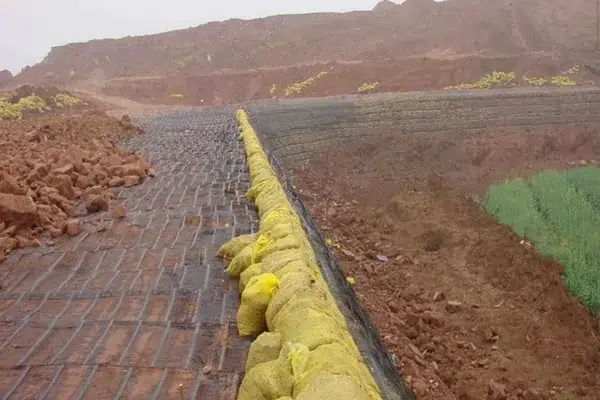
The geogrid must work with the approved facing detail and reinforcement geometry. Connection method, grid length, layer elevation, roll width, and access for compaction need to be coordinated before the material reaches the wall.
A roll layout that creates unnecessary short sections or awkward overlaps can slow construction and create more opportunities for orientation errors. The contractor should compare the reinforcement schedule with the physical roll dimensions and site access rather than assume every roll will fit the planned layer.
Field Note: The most common commercial comparison is price per roll, while the practical comparison is usable coverage per wall layer. Extra cuts, wasted width, or a missing connection accessory can cost more than a modest difference in the roll quotation.
What Should Be Checked During Construction?
Construction checks should confirm that the delivered grid, direction, length, backfill, compaction, drainage, and facing connection match the approved detail before the next soil lift covers the layer.
Keep a simple record of roll labels, layer locations, inspection points, and any approved field changes. This creates a traceable link between the material delivered and the reinforcement placed in the wall.
QC Check: Stop and review the drawing when a roll appears too short, the planned direction is unclear, water enters the reinforcement zone, or the backfill does not match the project requirement. These are system issues, not cosmetic installation details.
What Should a Retaining Wall Geogrid RFQ Include?
A complete RFQ includes wall geometry, facing, reinforcement layout, backfill and drainage condition, surcharge information, design properties, roll size, quantity, destination, and required project documents.
Include the wall section rather than only a requested tensile number. The International Geosynthetics Society offers educational resources, but final selection must follow the approved design and local project requirements. [4]
Buyers can review retaining wall geogrid options, compare soil reinforcement applications, and use the wall geogrid RFQ form before order release.
FAQs
Can any geogrid be used in a retaining wall?
No. The grid must match the reinforcement design, tensile direction, long-term requirement, length, facing connection, backfill, drainage, and wall geometry.
Does a higher tensile value make a safer wall?
Not by itself. The final design depends on the load path, reduction factors, connection, soil, drainage, compaction, and wall construction.
What should buyers send to a supplier?
Send the wall section, height, facing, backfill, drainage, reinforcement schedule, surcharge, quantity, destination, required data, and applicable documents.
Conclusion
Retaining-wall geogrid is a design-controlled reinforcement component. Confirm direction, strength basis, length, backfill, drainage, facing, and installation sequence before comparing a roll quote.