Drainage fabric can lose flow capacity when the soil-filter relationship is ignored, fine particles enter the aggregate layer, or the fabric is damaged or folded before the drain is closed.
Geotextile drainage fabric helps manage water and soil separation when apparent opening size, permittivity, puncture resistance, soil, aggregate, and installation conditions fit the drainage detail. Clogging prevention starts with the full filter and outlet design, not GSM alone.
The practical question is how water enters the system, what particles must be controlled, where the water exits, and how the fabric will survive construction.
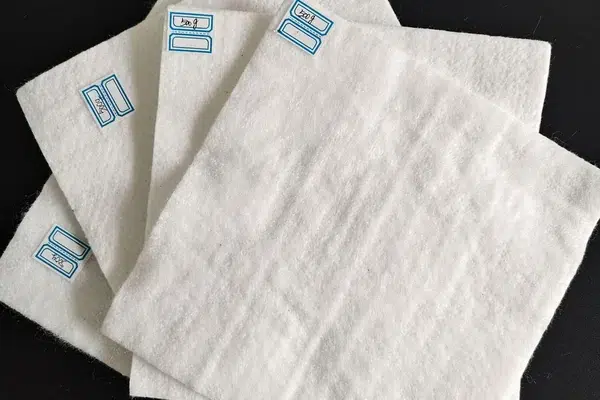
Send the soil description, drainage section, aggregate, water condition, outlet detail, roll size, quantity, destination, and requested tests for an RFQ review.
Request a drainage fabric checkA drainage-fabric RFQ should state the application, soil, aggregate, water path, expected hydraulic condition, required function, target properties, roll width and length, installation method, quantity, destination, packaging, and required documents. A generic nonwoven price cannot show whether the fabric will make a stable filter relationship with the project soil.
Why Does Drainage Fabric Clog?
Clogging risk can arise when soil particles migrate into the aggregate, fines collect at an unsuitable interface, the water path is poorly defined, or the selected opening-size and flow properties do not fit the soil and hydraulic condition.
The purpose of a filter fabric is not to pass every particle or provide maximum flow at any cost. The drainage layer needs controlled water movement and a stable soil-filter relationship. Soil type, hydraulic gradient, aggregate, confinement, and construction condition all matter.
FHWA guidance treats geosynthetics within the full civil application. The final filter selection should be reviewed with the project soil and drainage section rather than inferred from a product category. [1]
How Do Opening Size and Permittivity Work Together?
Apparent opening size and permittivity are different properties. Opening size helps describe a filtration-related characteristic, while permittivity describes water-flow behavior under a stated test method. Both may be relevant to drainage fabric selection.
ASTM D4751 covers apparent opening size and ASTM D4491 covers water permeability by permittivity. The reported values help buyers compare materials, but neither value alone proves the complete drainage design. [2] [3]
The responsible project team should relate the properties to soil gradation, water condition, aggregate voids, and the intended filter function. A fabric with an attractive data-sheet number may still be a poor match for the actual drainage interface.
| Project condition | What to confirm | Risk if missed |
|---|---|---|
| Fine soil near drainage stone | Opening size, soil behavior, water condition | Fines migration or blockage |
| High-flow drainage detail | Permittivity, layer thickness, outlet | Flow path does not meet project needs |
| Coarse aggregate placement | Puncture resistance, cover method | Tear or loss of filter continuity |
| Long trench or blanket | Roll width, overlap, outlet, maintenance | Extra joints or unprotected edges |
What Installation Details Prevent Poor Flow?
The fabric needs a protected, continuous placement with the approved overlap, aggregate placement, edge treatment, and outlet connection. It can be damaged or displaced before it performs any filtration function.
Prepare the formation, remove sharp objects, control wrinkles and folds, place cover without dragging coarse aggregate across exposed fabric, and keep traffic off the layer until the section is complete. The overlap should follow the approved detail rather than a generic number.
Factory Tip: Before bulk supply, compare the data sheet with the sample, then confirm roll width, roll length, packaging, labels, batch traceability, and the site placement plan. Roll dimensions affect overlaps, handling, and the number of possible weak points in a long drainage run.
Which Buyer Mistakes Lead to Clogging?
Common mistakes include selecting only by GSM, assuming every nonwoven fabric filters the same soil, omitting puncture review, leaving an outlet undefined, and allowing sediment from adjacent surfaces to enter the drainage layer.
A drainage fabric cannot maintain a clear flow path if fines continuously enter from an open edge or if the outlet is blocked. The detail should identify how runoff reaches the drain, how water exits, and how sediment is controlled or maintained after installation.
ASTM D4833 provides an index puncture method for geosynthetics. It can support material comparison, while the final required resistance depends on aggregate, handling method, cover thickness, and construction exposure. [4]
How Should the Outlet and Maintenance Be Planned?
A drainage system needs a protected route to an outlet and a practical way to manage sediment that may enter from the surface or adjacent soil. Maintenance is part of long-term flow control.
Inspect outlet locations after heavy rainfall or site disturbance, keep surface fines from washing into open edges, and replace damaged cover or aggregate where the approved maintenance plan requires it. The fabric is one component of this drainage-management process.
What Should Buyers Include in a Drainage Fabric RFQ?
A complete RFQ includes application, soil, aggregate, water condition, drainage path, outlet, target properties, roll size, installation method, quantity, destination, and required test documents.
State whether the fabric wraps a trench, separates a road edge, sits behind a retaining wall, protects a pipe zone, or supports another drainage layer. Add the required service condition and construction sequence so the supplier can identify missing variables.
Buyers can compare geotextile drainage fabric options, review drainage layer materials, and submit the section through the drainage fabric RFQ form before procurement. QC Check: request the data sheet, stated test methods, roll dimensions, labels, packaging, batch information, and project-required reports.
FAQs
Does a higher GSM drainage fabric prevent clogging?
Not by itself. GSM can affect handling and cushioning, but the filter relationship depends on soil, opening size, permittivity, aggregate, water condition, and installation.
Can drainage fabric replace a proper outlet?
No. The system needs a defined water path and outlet. Fabric cannot correct a blocked pipe, trapped water, or uncontrolled sediment entering the drain.
What should buyers request before ordering?
Request the data sheet, test methods, opening-size and flow data, puncture information, roll dimensions, packaging, labels, batch traceability, and the project-specific drainage section.
Conclusion
Drainage fabric clogging is a system risk, not a GSM issue. Match soil, opening size, flow, aggregate, installation, and outlet detail before purchasing material.