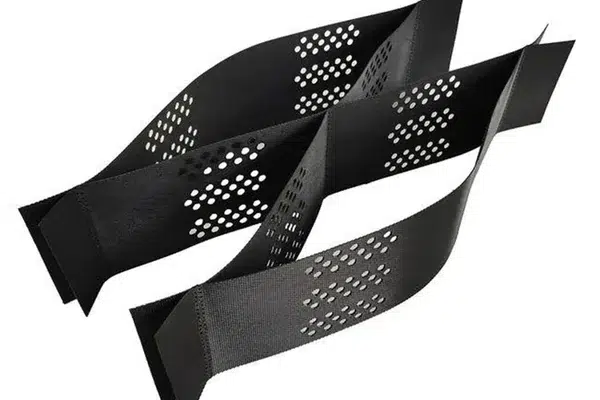
Road Construction

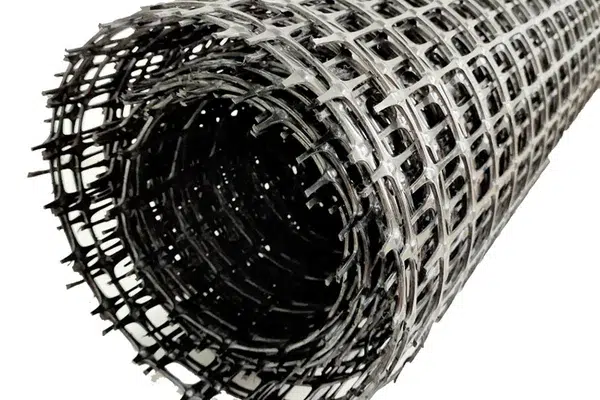
Uniaxial geogrid roll used for reviewing tensile direction and reinforcement layout

Geogrid Overlap: How Much Is Needed for Roads, Slopes, and Retaining Walls?

Using a familiar overlap value without the drawing, product type, and placement method can make a geogrid installation look complete while missing its intended function. There is no universal geogrid overlap for roads, slopes, and retaining walls. The required detail depends on the product, tensile direction, aggregate or soil interface, load, geometry, construction sequence, and […]

Geogrid Overlap: How Much Is Needed for Roads, Slopes, and Retaining Walls? Read More »

Expanded HDPE geocell showing cellular confinement for road base stabilization

Geocell vs Geogrid: Which Works Better for Road Base Stabilization?

Road base selection needs more than a product name. Geocell provides cellular confinement while geogrid supports aggregate interlock; project conditions decide which is suitable. Compare the drawing, material function, test basis, dimensions, packaging, delivery scope, and acceptance documents before purchase. A complete technical review should also identify the subgrade or supporting layer, water conditions, expected

Geocell vs Geogrid: Which Works Better for Road Base Stabilization? Read More »

Expanded HDPE geocell panel showing cellular confinement structure and cell depth

Geocell Material Guide: HDPE Strip Thickness, Weld Distance, and Cell Depth

Geocell panels look similar when folded, but strip thickness, weld spacing, cell depth, and panel dimensions can produce very different site results. Geocell material should be selected by HDPE strip properties, cell depth, weld spacing, panel size, infill, slope or traffic load, subgrade condition, and anchoring method. A deeper or thicker-looking panel is not automatically

Geocell Material Guide: HDPE Strip Thickness, Weld Distance, and Cell Depth Read More »

Nonwoven geotextile fabric for drainage separation and civil construction

Geotextile vs Landscape Fabric: What Contractors Should Know Before Buying

A fabric may look similar on a roll, yet fail quickly when a landscaping material is substituted for an engineered separation or drainage layer. Geotextile and landscape fabric are not automatically interchangeable. Engineered geotextiles are selected by filtration, apparent opening size, permittivity, puncture resistance, tensile properties, and project exposure. Landscape fabric may suit light weed-control

Geotextile vs Landscape Fabric: What Contractors Should Know Before Buying Read More »

Biaxial geogrid roll used for driveway base stabilization and aggregate interlock

Geogrid Driveway Installation: Base Depth, Fabric Use, and Compaction Tips

A driveway can rut before the surface is finished when aggregate, geogrid, fabric, and compaction are treated as separate decisions. Geogrid driveway installation works best when a suitable biaxial grid is laid on a prepared subgrade, aggregate is placed without damaging the grid, and base depth and compaction match the expected traffic. Geotextile fabric may

Geogrid Driveway Installation: Base Depth, Fabric Use, and Compaction Tips Read More »

Nonwoven geotextile fabric roll used under gravel for soil separation and filtration

Geotextile Under Gravel: Fabric Type, Overlap, and Installation Mistakes

Gravel disappears into weak ground when the separation layer is ignored or the wrong fabric is placed below the base. Geotextile under gravel should be selected by subgrade strength, drainage need, aggregate sharpness, traffic, and installation method. Nonwoven fabric is commonly used for separation and filtration, while woven fabric may suit projects that also need

Geotextile Under Gravel: Fabric Type, Overlap, and Installation Mistakes Read More »

HDPE geocell expanded panel used for roads slopes and erosion control cellular confinement

HDPE Geocells for Roads, Slopes, and Erosion Control

HDPE geocells can stabilize weak ground, but wrong cell height or weak welds can turn a good design into site rework. HDPE geocells, also searched as geoceldas, are cellular confinement systems used for road base support, slope protection, erosion control, channels, and weak soil stabilization. Selection should consider cell height, weld spacing, strip thickness, surface

HDPE Geocells for Roads, Slopes, and Erosion Control Read More »

Grass Grid Parking Lot Guide: Base Prep Checks Before Ordering

Grass grid parking lots fail early when the plastic grid is expected to compensate for a weak base. Grass grid for parking lots should be selected by traffic category, base thickness, compaction, drainage, soil bearing condition, infill type, edge restraint, and HDPE paver height. The grid distributes load, but the base still carries most of

Grass Grid Parking Lot Guide: Base Prep Checks Before Ordering Read More »

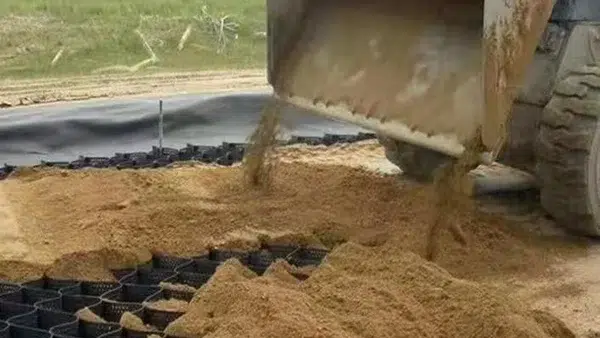
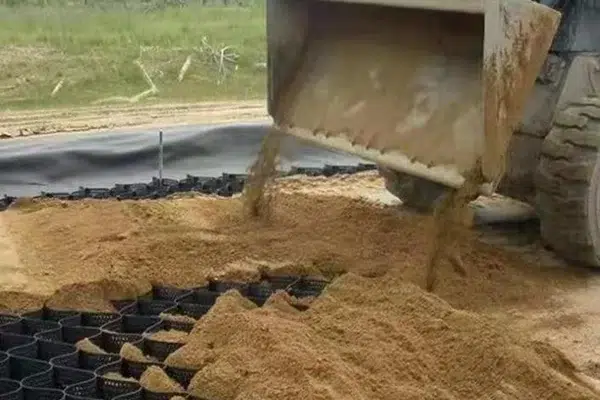
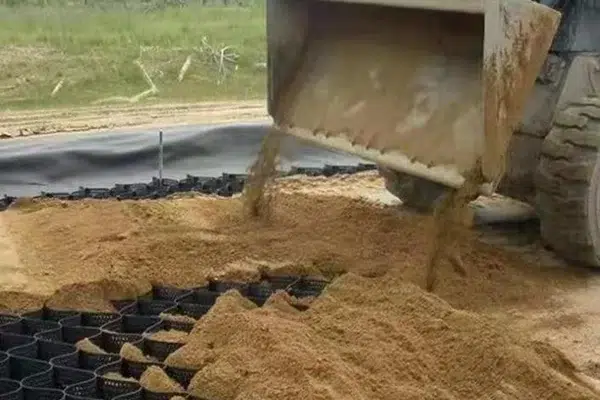
Geocell road base layer prepared for aggregate infill in road construction

Geocell Road Construction: Layer Design, Benefits, and Installation Checks

Geocell road construction works when the layer is designed as a confined base, not a decorative sheet. How Does Geocell Road Construction Work? Geocell road construction works by opening HDPE panels over the prepared subgrade, filling the cells with aggregate or suitable local material, and compacting the layer so the cell walls limit lateral movement.

Geocell Road Construction: Layer Design, Benefits, and Installation Checks Read More »

en_USEnglish

Get Free Quote!