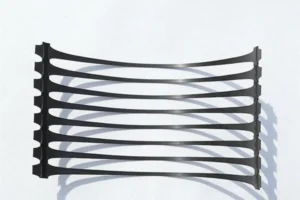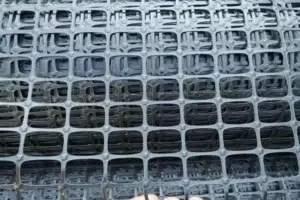
A channel lining may hold during dry inspection, then lose infill at the first concentrated discharge.
Geocell can stabilize channel infill when cell depth, fill material, anchoring and the design flow are matched. The hydraulic designer must check velocity, shear stress, bends, transitions and expected overtopping. A deeper cell is not a cure for an unanchored upstream edge or an infill that the flow can wash out.
The panel is a confinement layer. The channel still needs a hydraulic section, a stable subgrade and buildable termination details.
Send your project drawings, technical specifications, quantities and destination for material-fit review before quotation.
Send drawings and specificationsWhich Flow Conditions Change the Lining Detail?
A small vegetated swale, a steep roadside ditch and a channel bend do not impose the same hydraulic demand. Flow depth, grade, discharge frequency and local concentration at culvert outlets should be assessed before a panel is selected. FHWA's channel-lining guidance treats flexible linings as part of a hydraulic design rather than a universal erosion-control fix. Identify the design storm and the consequences of exceedance. If the engineer has not calculated the hydraulic conditions, a supplier cannot responsibly infer acceptable velocity from a photo or a nominal cell height. [1] [2]
How Do Infill and Cell Geometry Interact?
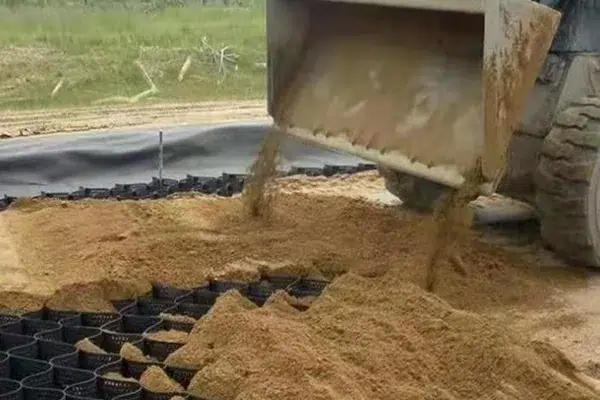
Aggregate, soil, concrete and vegetated fill behave differently under water and maintenance traffic. The cell depth and weld spacing affect how the material is confined, but they do not define the surface resistance by themselves. Check fill grading, cover, compaction method and whether vegetation has time to establish before peak flows. A cell filled below its rim can expose strip edges; loose fine fill may be carried away before roots develop. For the polymer strips, ASTM D5199 measures nominal geosynthetic thickness, whereas ASTM D638 measures plastic tensile properties for suitable specimens. Neither test demonstrates field weld strength or channel erosion resistance. Match the proposed infill to the approved channel section, not simply to the lowest available material price. [4] [5]
| Check | What it tells you | What it does not prove |
|---|---|---|
| ASTM D5199 | Nominal geosynthetic thickness | Not cell weld strength |
| ASTM D638 | Plastic tensile property | Not channel hydraulic performance |
| Outlet transition | Edge restraint and scour | Undermining can start here |
The comparison is a procurement screen, not a replacement for the approved engineering design. A test method defines how a property is measured; acceptance thresholds and the site detail must come from the project specification.
Where Are Anchors Most Critical?
The upstream edge, side slopes, transitions and outlet deserve explicit details. Water getting under an unrestrained panel can lift the lining, while a poorly finished side edge can start progressive erosion. Ask for an anchor pattern, tendon or stake details where specified, trench dimensions, panel connection method and treatment at culverts. The scheme must fit the actual soil and maintenance access. A standard panel quotation is not an engineered anchor design; the site designer should approve the layout and any field changes. [3]
What Should a Channel Buyer Compare?
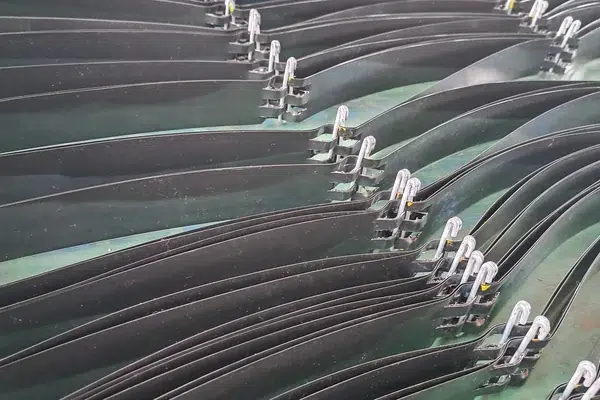
Compare cell depth, expanded panel size, strip material, weld spacing, connection method, packaging and installation support. Then price the whole installed system: panel, infill, anchors, subgrade work and edge details. A low panel unit rate may represent a small share of total cost while a missed transition creates extensive rework. Ask how the proposed panel will be deployed along the channel alignment and whether the crew can reach it without damaging the prepared bed. Confirm the panel grade before container loading and label each pallet by zone. [1]
What Should the Site Team Verify Before Work Starts?
Before crews expand the first panel, confirm the channel invert is at the designed level and the subgrade has no soft pockets or flowing water. Lay out the upstream termination and an outlet transition in full size, then check that the proposed anchor and infill can actually be installed with available access. Photograph cell expansion and connection before fill. After the first lift, inspect whether the infill is level with the specified surface and whether exposed strips could catch debris. Define who inspects after the first significant storm and how local washout is repaired. A small trial at a bend may reveal a different installation demand than a straight section, so do not copy one anchor detail blindly along the entire channel.
What Should Be in the RFQ?
Send the channel profile, cross sections, design discharge, grade, subgrade condition, proposed infill, anchor detail, panel quantity, required properties and destination. MJY can review HDPE geocell panel specifications for the approved concept; the hydraulic designer must confirm lining and anchor performance.
For the connected design check, review our geocell infill material selection guide before approving a material substitution.
For a fair quotation, ask each supplier to state the proposed grade, tested properties, test edition, usable roll dimensions, packaging, batch identification, lead time and exclusions. Put the drawing revision and destination on the inquiry. If a proposed substitute changes an engineered detail, request written design approval rather than treating it as a price-only decision.
Factory Tip and Buyer Check
Field Note: Draw the outlet and first few metres of channel at a larger scale than the typical section. That is often where water changes direction and where a small panel-edge detail determines whether the rest of the lining stays put. Include the actual culvert invert and maintenance access on that drawing.
Before bulk production, compare the labelled sample or approved data sheet against the purchase specification. At goods receipt, keep roll IDs and packaging photographs. These small controls make a later site question traceable instead of turning it into an argument about what was ordered.
FAQs
Will deeper cells always resist faster flow?
No. Infill, anchoring and hydraulic conditions govern the system.
Can soil infill be used in every channel?
No. Establishment period, flow exposure and vegetation conditions matter.
Who chooses anchor spacing?
The project designer should approve the pattern for the soil and hydraulic loading.
Conclusion
Treat the cell as one part of a channel lining system. Send MJY the hydraulic drawings, technical specification and quantities for a panel review before the infill and anchor orders are placed.