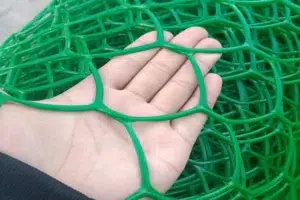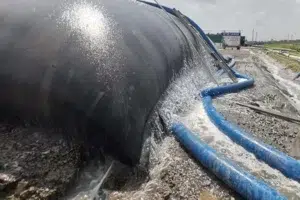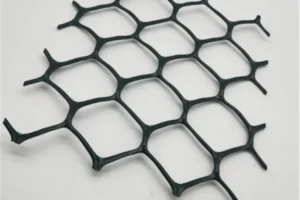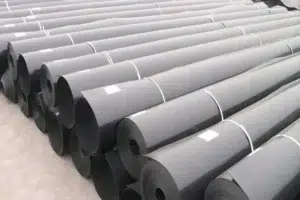
An erosion-control geocell can look secure on day one and still fail after rainfall if slope drainage, anchoring, infill, panel connections, and edge treatment were never matched to the site.
Geocell for erosion control can help confine infill on slopes, channels, and embankments when cell depth, panel layout, anchoring, drainage, surface flow, infill, and construction sequence match the approved design. It cannot replace a needed hydraulic, geotechnical, or slope-stability assessment.
The selection should start with whether the project is controlling surface erosion, lining a flow path, protecting an embankment, or supporting vegetation, because each use changes the panel and anchoring requirements.
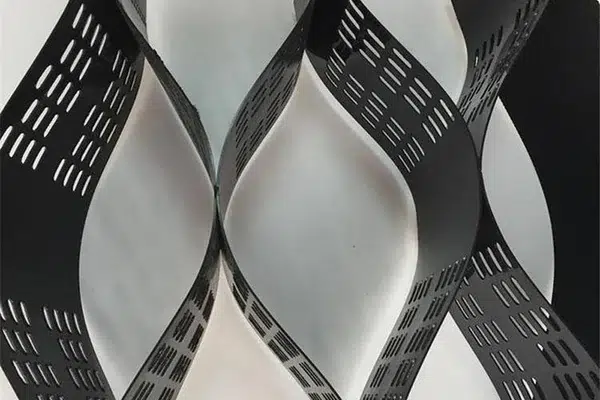
Send the slope or channel section, length, angle, expected water condition, infill, drainage, panel depth, area, destination, and documents for an RFQ review.
Request an erosion-control checkA geocell erosion-control RFQ should state the application, slope angle or channel geometry, length and area, soil condition, drainage path, expected flow condition, cell depth, material configuration, perforation, infill, anchor and connection detail, quantity, destination, packing, and project-required documents.
Where Can Geocell Be Used for Erosion Control?
Geocell can be considered for slope faces, channels, embankments, access slopes, and vegetated surfaces where the project needs controlled infill confinement and a defined installation detail.
The function is not simply “hold soil.” Depending on the section, cells may confine topsoil and seed, gravel, aggregate, or concrete. The final infill and panel configuration must suit the expected surface water, slope, maintenance access, and project design.
FHWA geosynthetic guidance treats material choice as part of the full civil application. For erosion-control work, drainage, subgrade condition, edge treatment, and construction access remain relevant even when the visible surface is vegetated. [1]
A channel with concentrated flow should not be specified from a typical slope photograph. Flow depth, velocity, outlet condition, scour potential, and the approved hydraulic design control the final solution.
How Do Slope and Flow Conditions Change the Design?
Slope angle, length, water path, soil condition, expected flow, rainfall pattern, drainage, and access can change the appropriate cell depth, infill, anchoring, and panel layout.
A long slope can accumulate water and surcharge at the lower area. The design should identify where runoff enters, how it crosses or bypasses the geocell, and where it exits without undermining edges or anchors.
For channels, distinguish sheet flow from concentrated flow. A vegetated infill may suit one condition but not another. The responsible designer should establish the hydraulic requirement before a supplier quotes a depth or anchor spacing.
Federal construction specifications include geosynthetic reinforcement requirements for soil slopes. Project-specific drawings and specifications should govern installation, not a generic product recommendation. [2]
| Project condition | What to confirm | Risk if missed |
|---|---|---|
| Vegetated slope | Slope angle, topsoil, seed, anchoring | Cell movement or soil loss |
| Aggregate slope cover | Infill size, edge restraint, drainage | Stone migration or exposed cells |
| Channel or swale | Hydraulic design, flow path, outlet detail | Scour at joints or transitions |
| Embankment shoulder | Subgrade, panel layout, traffic access | Damage during placement |
Which Geocell Variables Matter Most?
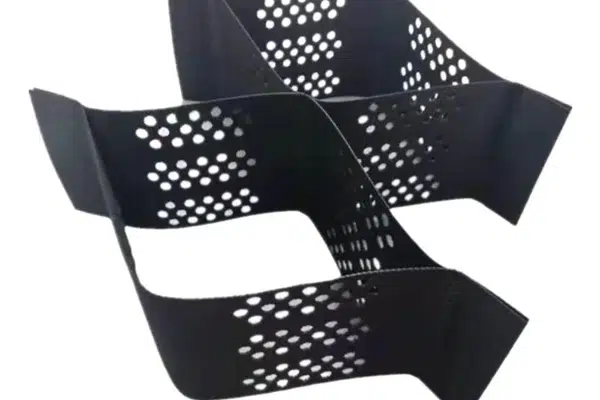
Cell depth, panel dimensions, weld spacing, perforation, connection method, anchor arrangement, infill, and roll or folded-panel dimensions should be confirmed together.
A deeper cell may change infill volume, anchoring demand, section elevation, and installation effort. It is not automatically the stronger option. The target depth should work with the approved profile and the selected infill.
Panel dimensions affect both coverage and installation. Curves, channels, crest details, and toe transitions can create cuts and partial panels, so buyers should ask for an expanded coverage calculation instead of comparing only folded package size.
ASTM D4439 provides common terminology for geosynthetics. Clear terminology is useful in RFQs because “panel size” may otherwise mean folded strip dimensions, expanded coverage, or a project layout module. [3]
What Installation Mistakes Cause Failure?
Poor formation preparation, missing anchors, uneven expansion, unsuitable infill, damaged panels, uncontrolled runoff, and weak edge treatment can create early erosion or rework.
Set out the panels before filling, confirm crest and toe anchoring, keep connections aligned, and follow the approved infill placement method. Do not allow equipment to pull open cells or create ruts in an unfinished layer.
Drainage needs attention behind, above, and beneath the system where the drawing requires it. Water that travels under a cell layer can create a problem even if the visible infill remains in place for a while.
Field Note: Contractors often ask for an anchor quantity after the panels are already selected. Anchor demand depends on slope, soil, panel layout, water condition, and the approved detail, so it should be clarified before the packing list is finalized.
How Should Buyers Compare Geocell Quotations?
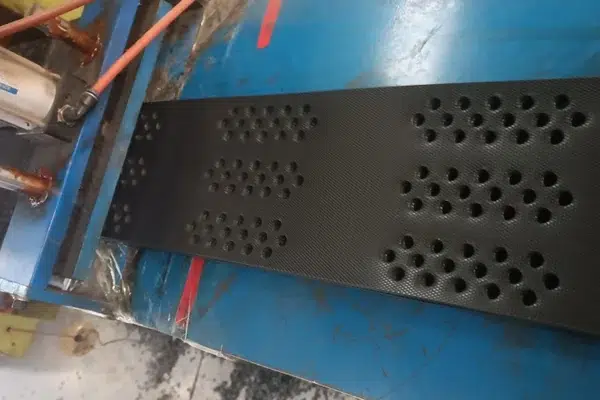
Compare application fit, cell depth, expanded coverage, panel configuration, connection accessories, anchors, infill implications, packing, labels, documents, delivery, and the limitations of the quoted material.
A low per-square-meter price can conceal a different panel expansion ratio, omitted connectors, unsuitable cell depth, or a package that creates more field cuts. Those items affect labor and waste even when the nominal area looks similar.
QC Check: Request the data sheet, sample, expanded dimensions, stated cell configuration, accessory list, labels, batch traceability, packing method, and project-required reports before bulk supply.
What Should Be Included in an Erosion-Control RFQ?
The RFQ should include the section drawing, slope or channel dimensions, soil, water condition, drainage, cell depth, infill, anchoring, connections, area, destination, schedule, and required approval documents.
Include site photographs only as supporting context, not as a replacement for the slope or channel detail. A reliable supplier should be able to see what is confirmed by design and what still needs engineering review.
Buyers can review HDPE geocell for slope protection, compare erosion-control applications, and send the drawing through the geocell erosion-control RFQ form before order release.
FAQs
Can geocell be used in any channel?
No. Channel use depends on the approved hydraulic design, expected flow, slope, outlet condition, infill, anchoring, and transition details.
Does a deeper geocell stop erosion better?
Not automatically. Cell depth must match the section, infill, anchor detail, water condition, slope, and construction method.
What is needed for a geocell quote?
Send the slope or channel section, dimensions, soil, drainage, water condition, cell depth, infill, anchor and connection details, area, destination, packing requirement, and documents.
Conclusion
Erosion-control geocell is a site-specific confinement system. Confirm water path, slope or channel condition, cell depth, infill, anchoring, connections, and edge treatment before selecting a panel.