A drainage layer behind a wall cannot relieve water pressure if its bottom edge ends in sealed soil.
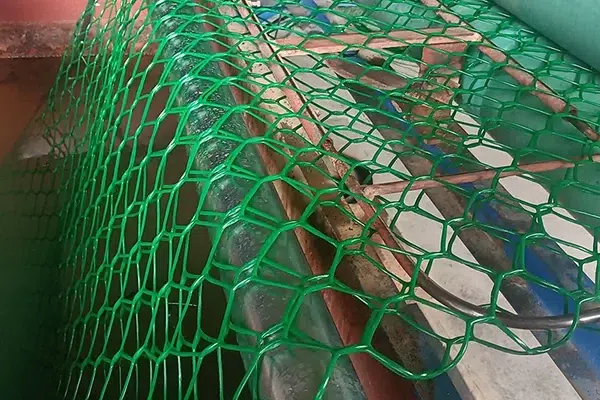
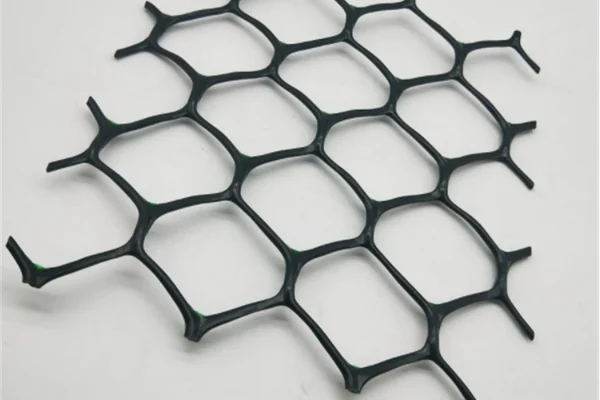
Geonet or drainage geocomposite selection starts with a continuous flow path from the wall backfill to an accessible collector or outlet. Check transmissivity under relevant load, filter compatibility, connection details and long-term clogging risk. A high laboratory flow number is not proof that an installed, compressed layer will drain the wall.
Buyers should follow the water on the drawing from entry point to final discharge before comparing core thickness or unit price.
Send your project drawings, technical specifications, quantities and destination for material-fit review before quotation.
Send drawings and specificationsWhere Must the Water Go?
The drainage layer should connect to a collector pipe, weep system or approved discharge route. A folded edge, blocked connection or collector above the low point can trap water in the backfill. Wall geometry and groundwater level determine whether vertical and horizontal drainage paths are both needed. Mark the direction of flow on the section drawing, including transitions and cleanouts. A supplier can quote a geonet sheet but cannot resolve a missing outlet by choosing a thicker core. The wall designer should verify that collected water can leave the site without creating downstream erosion or maintenance problems. [1]
Why Is Transmissivity a Conditional Number?
ASTM D4716/D4716M measures in-plane flow and hydraulic transmissivity under selected test conditions. Applied normal stress, hydraulic gradient, boundary surfaces and time influence the result. Ask whether the reported value reflects the pressure and contact surfaces relevant to the wall. A data sheet's maximum flow under a light load should not be compared directly with another product's result under heavy confinement. Request test configuration and the project's design reduction factors. The short-term laboratory value is a starting input for engineering, not a guarantee of long-term field discharge. [1]
| Check | What it tells you | What it does not prove |
|---|---|---|
| ASTM D4716/D4716M | In-plane flow and transmissivity | Depends on test conditions |
| ASTM D4751 | Filter opening size | Does not measure core flow |
| Outlet inspection | Physical continuity to discharge | Cannot be replaced by a lab sheet |
The comparison is a procurement screen, not a replacement for the approved engineering design. A test method defines how a property is measured; acceptance thresholds and the site detail must come from the project specification.
How Can the Filter or Collector Fail?
A geotextile bonded to the drainage core must be compatible with adjacent soil. Its apparent opening size and permittivity are different properties; ASTM D4751 and D4491/D4491M measure them separately. Fine soil migration or clogging can reduce flow even when the core remains intact. At the base, construction debris can obstruct the collector. Confirm the overlap direction and edge connection so water does not bypass the filter. Protect the outlet during backfilling, and make an inspection point accessible after the wall is complete. [2] [3]
How Should Two Drainage Quotes Be Compared?
Compare core geometry, stated transmissivity at specified pressure, filter properties, roll width, compression behavior, connections and package dimensions. Calculate usable area after overlaps and offcuts around wall penetrations. A low sheet price can be defeated by extra collector fittings or labour to repair gaps. Ask whether the supplier is pricing a bare geonet or a bonded geocomposite; the two have different filter responsibilities. Have the designer check the proposed substitution before purchase, especially if the wall height or groundwater condition differs from the original design. [1]
What Should the Site Team Verify Before Work Starts?
At the first wall bay, expose the collector connection and walk the drainage path from the highest panel edge to the outlet. Identify which side of the geocomposite faces the soil, how adjacent sheets overlap and where fines could bypass the filter. Record outlet elevation and whether the pipe can be flushed or inspected later. Check that the backfill crew does not crush a collector with equipment or push a panel out of contact with the wall. If the wall has stepped foundations, review each step separately; a low point without an outlet can hold water even when the rest of the wall drains. Treat these connection drawings as procurement documents because special fittings and extra roll width may be needed.
What Should Be in the RFQ?
Include wall section, height, expected normal stress, soil gradation, groundwater condition, collector and outlet drawings, required transmissivity at stated test conditions, filter criteria, roll size, quantity and destination. MJY can compare geonet drainage layer options against those requirements; wall drainage design remains with the engineer.
For the connected design check, review our geonet transmissivity under load guide before approving a material substitution.
For a fair quotation, ask each supplier to state the proposed grade, tested properties, test edition, usable roll dimensions, packaging, batch identification, lead time and exclusions. Put the drawing revision and destination on the inquiry. If a proposed substitute changes an engineered detail, request written design approval rather than treating it as a price-only decision.
Factory Tip and Buyer Check
QC Check: Before backfill, pour a controlled small amount of clean water at the top of a trial drainage panel and confirm the approved discharge path is open. This site check cannot replace design calculations, but it can reveal a folded or blocked connection while it is still accessible.
Before bulk production, compare the labelled sample or approved data sheet against the purchase specification. At goods receipt, keep roll IDs and packaging photographs. These small controls make a later site question traceable instead of turning it into an argument about what was ordered.
FAQs
Is a thicker drainage core always better?
No. Flow under project load and the outlet path matter more than nominal thickness alone.
Can bare geonet filter fine soil?
Not by itself; a compatible filter may be required.
Does high laboratory transmissivity guarantee wall drainage?
No. Compression, clogging, detailing and outlet continuity affect installed performance.
Conclusion
Design the drainage route before ordering the sheet. Send MJY the wall drawing, hydraulic criteria and technical specification for a product comparison, and verify the outlet detail with the engineer and installer.