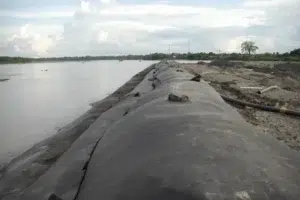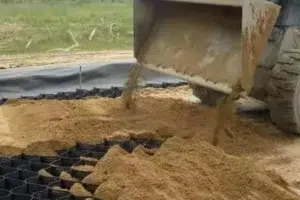
A tube sized only from wet-slurry volume may drain slowly or release cloudy effluent once filling begins.
Before ordering geotextile tubes, test a representative slurry with the proposed fabric and conditioning chemistry. Measure drainage rate, effluent clarity and achievable solids rather than choosing by bag size alone. Pump pressure, seam strength, tube footprint and site discharge requirements must then be checked for the full-scale installation.
A short bench trial cannot reproduce every field condition, but it can prevent the most avoidable mistake: ordering an entire system around an untested slurry.
Send your project drawings, technical specifications, quantities and destination for material-fit review before quotation.
Send drawings and specificationsWhy Does the Slurry Need Its Own Test?
Dredged sediment, industrial sludge and construction fines differ in particle size, organic content and chemical behavior. Those variables affect both drainage and whether a polymer helps or makes the filtrate worse. An EPA geotextile dewatering bench-test procedure uses small geotextile pillows or hanging bags to observe drainage, polymer effectiveness, effluent clarity and solids. Take representative samples from the actual feed stream and document dilution or seasonal variation. A supplier's previous project data may suggest a starting fabric, but it cannot predict this site's performance without testing. [1]
What Should the Bench Record Include?
Record the slurry source, solids concentration, polymer type and dose, mixing sequence, fabric sample, fill volume, drainage time, collected filtrate and cake condition. Photograph each trial using the same interval. Compare clarity against the site's permitted discharge criteria; a visually clear sample is not a regulatory test result. If several fabrics are compared, keep conditioning and sample volume consistent. A trial that changes polymer and fabric simultaneously cannot tell procurement which variable made the difference. Use the findings to define a pilot, not to declare full-scale performance guaranteed. [1]
| Check | What it tells you | What it does not prove |
|---|---|---|
| Bench pillow test | Drainage and effluent screening | Not a full-scale pressure test |
| Pilot fill | Site operation and footprint | Limited duration |
| Full-scale QA | Seams, pressure and discharge | Needs ongoing records |
The comparison is a procurement screen, not a replacement for the approved engineering design. A test method defines how a property is measured; acceptance thresholds and the site detail must come from the project specification.
What Changes at Full Scale?
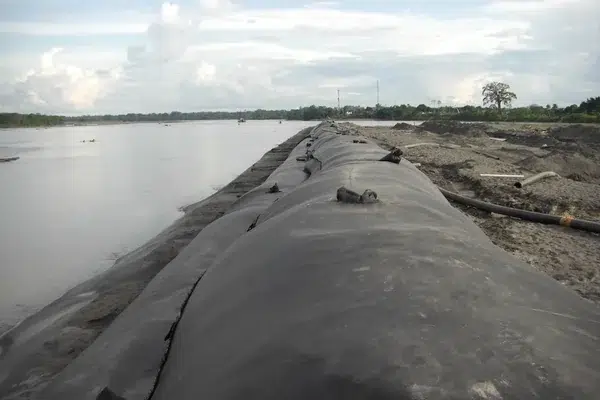
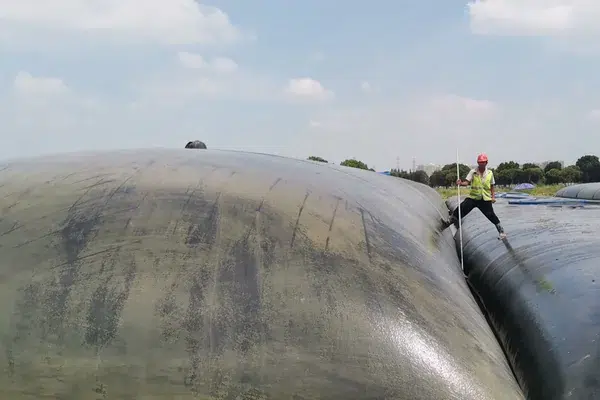
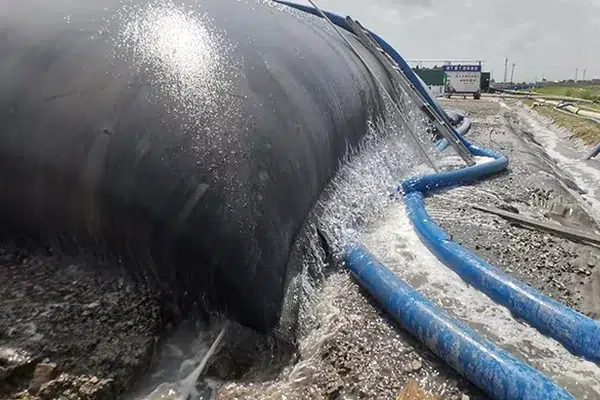
A large tube experiences changing filling pressure, uneven deposition, repeated cycles and handling loads that a bench pillow does not reproduce. The project team must design the laydown area, containment berm, drainage collection and pumping controls. Request seam strength and filling pressure limits for the proposed tube, with a field inspection plan. Ask how the crew will stop filling before a local bulge or seam stress becomes dangerous. Scale-up should include a pilot where project risk warrants it. The system's footprint and effluent handling can cost more than the textile itself. [2] [3]
How Should a Dewatering RFQ Be Compared?
Give each bidder the same slurry characterization, target dry solids, flow rate, expected cycle count, available footprint, discharge limit, tube dimensions, seam requirement and destination. Compare usable capacity under the proposed filling procedure, not nominal empty-tube volume. Clarify whether the quotation includes polymer, dosing equipment, pumps, sample testing, site containment and disposal. If one bidder offers a much cheaper fabric, ask for the specific bench or pilot evidence supporting it. A unit-price comparison without process scope is rarely meaningful. [1]
What Should the Site Team Verify Before Work Starts?
Before approving the purchase order, agree which sample represents the worst likely feed, not merely the easiest slurry to dewater. If the project receives several waste streams, test them separately or justify a composite sample. Note the temperature, pH and polymer preparation method because changing these can change flocculation and filtrate quality. Plan where the first pilot tube will sit and how its effluent will be captured; a successful laboratory pillow does not authorize uncontrolled site discharge. Set a stop criterion for pressure, seam distress and unacceptable filtrate. When the pilot is complete, compare the actual filling cycles and solids with the commercial assumptions in each quote, then amend the full-scale order if needed.
What Should Be in the RFQ?
Send slurry lab results, representative sample plan, target solids, effluent criterion, pumping rate, site footprint, filling cycles, seam and pressure requirements, quantity and destination. Ask MJY about geotextile dewatering bag and tube materials, then require project-specific bench or pilot evidence before bulk production.
For the connected design check, review our geotube filling pressure and seam strength guide before approving a material substitution.
For a fair quotation, ask each supplier to state the proposed grade, tested properties, test edition, usable roll dimensions, packaging, batch identification, lead time and exclusions. Put the drawing revision and destination on the inquiry. If a proposed substitute changes an engineered detail, request written design approval rather than treating it as a price-only decision.
Factory Tip and Buyer Check
Factory Tip: Ask for a sample from the exact fabric construction proposed in the bulk quote. A bench result from a visually similar but different weave or opening size is weak evidence for the order being released. Preserve a labelled sample from the tested batch for later comparison.
Before bulk production, compare the labelled sample or approved data sheet against the purchase specification. At goods receipt, keep roll IDs and packaging photographs. These small controls make a later site question traceable instead of turning it into an argument about what was ordered.
FAQs
Can a supplier size tubes from wet volume alone?
Not reliably. Solids, drainage rate, filling cycles and site layout all matter.
Does clear-looking effluent prove compliance?
No. Test it against the applicable discharge requirement.
Is a bench test enough for a large job?
It is a screening step; a pilot may be needed before full-scale procurement.
Conclusion
The slurry is the specification starting point. Send MJY the feed data, technical drawings and discharge requirements for a material review, and agree on bench and pilot acceptance before ordering production tubes.