Poor geocell installation can waste good material. The panel may be correct, but weak subgrade preparation, wrong anchoring, poor infill, or weak compaction can reduce the whole system.
Geocell is installed by preparing the ground, placing a geotextile layer if needed, expanding the geocell panels, anchoring them, connecting adjacent panels, filling the cells with suitable material, and compacting or finishing the infill based on the road, slope, or erosion-control design.
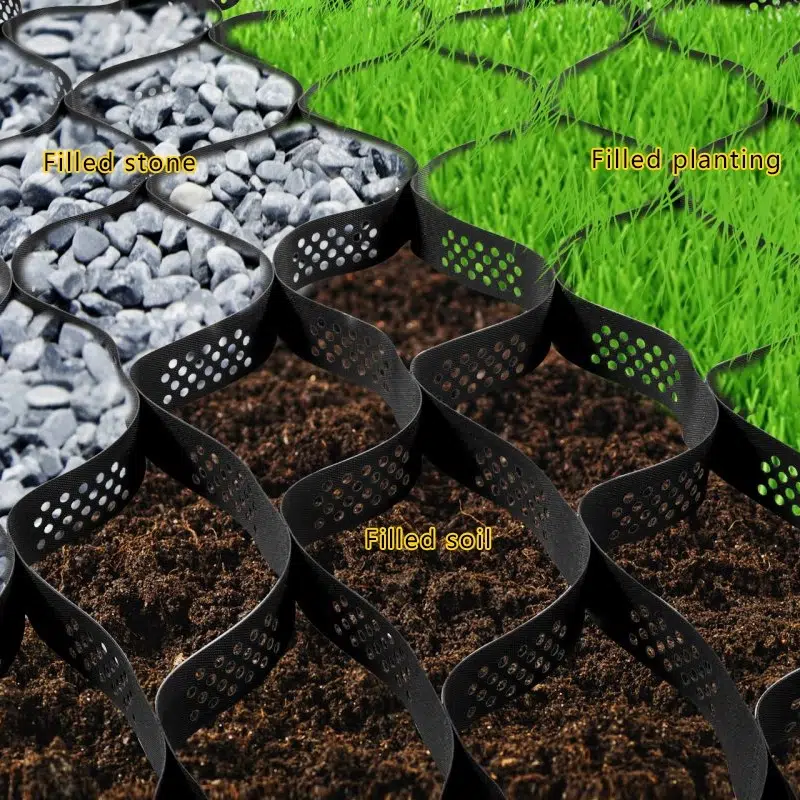
Geocell installation is not the same for every project. A road base needs compaction and load support. A slope needs anchoring and soil retention. An erosion-control area needs water-flow control and the right infill.
Why Does Correct Geocell Installation Matter?
Many buyers focus on geocell price and thickness first. Those points matter, but installation decides whether the geocell can actually perform on site.
Correct geocell installation matters because geocell works as a cellular confinement system. If the panel is not expanded, anchored, filled, and compacted correctly, it cannot control lateral movement, hold infill, or improve surface stability as expected.
Geocell must work with the ground
Geocell is not a magic layer that fixes every poor base condition. It works together with the subgrade, infill, drainage, and compaction.
If the ground is soft, full of water, uneven, or not compacted, the geocell layer may still settle. If the infill is poor, the cells may not create a stable layer. If anchoring is weak, the panels may move before they are filled.
This is why installation should start with site preparation, not with panel placement.
Geocell works through confinement
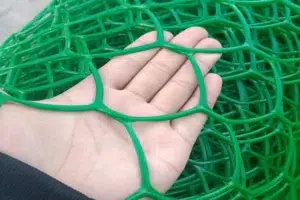
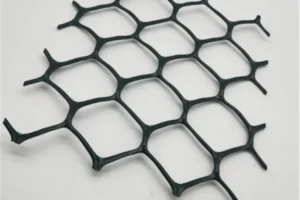
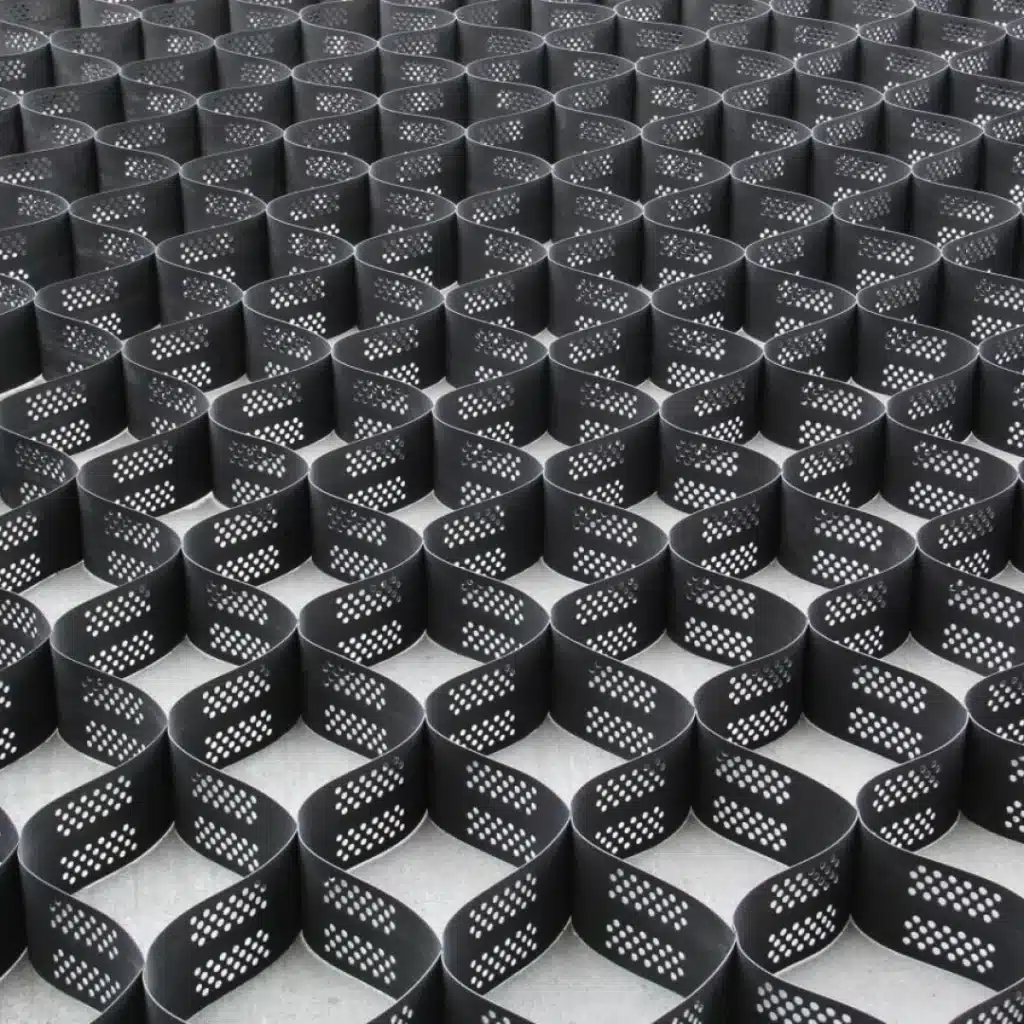
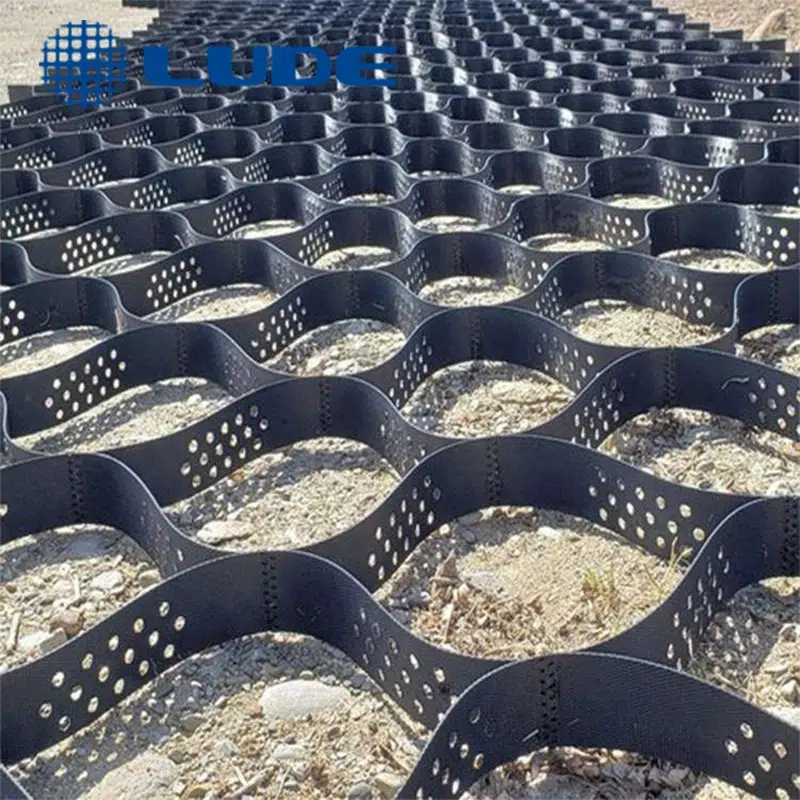
A geocell panel forms a three-dimensional honeycomb structure after expansion. When filled, the cell walls restrict the movement of soil, gravel, sand, or concrete.
A neutral technical overview describes cellular confinement systems[^1] as expanded honeycomb-like structures that are filled with soil, sand, gravel, or concrete. This is the basic reason geocell is used for roads, slopes, retaining structures, and erosion-control projects.
If the cells are not fully opened, the confinement area changes. If the infill is not compacted, the cell layer may lose strength. If the welds are weak, the cells may separate under stress.
Installation changes by application
Road installation focuses on base strength and load distribution. Slope installation focuses on anchoring, gravity resistance, and soil retention. Erosion-control installation focuses on water movement, surface washout, and long-term protection.
A buyer should not use one installation method for every project. The project condition should decide the installation sequence, anchor spacing, infill type, and finishing method.
| Application | Main Installation Goal | Key Control Point |
|---|---|---|
| Road Base | Improve load support and reduce rutting | Subgrade, infill, compaction |
| Slope Protection | Hold soil or aggregate on the slope | Anchoring, cell height, infill |
| Erosion Control | Reduce surface washout | Water flow, infill, drainage |
| Channel Protection | Resist runoff or water movement | Anchor layout and hard infill if needed |
| Temporary Access Road | Fast support over weak soil | Panel connection and aggregate filling |
For project buyers, the first step is to confirm the correct geocell product specification before planning installation.
How Should You Prepare The Site Before Installing Geocell?
Most installation problems start from poor site preparation. If the base is not ready, the geocell panel cannot create a stable system.
Before installing geocell, the site should be cleared, graded, leveled, compacted, drained, and checked for weak areas. If soil separation, filtration, or added stability is needed, a geotextile layer should be placed before the geocell panels are expanded.
Clear the installation area
The first step is to remove loose debris, roots, sharp stones, mud pockets, and standing water. These materials can create uneven support or damage the geocell panel.
For road projects, the surface should be shaped to the required grade. For slope projects, loose soil should be removed and the slope surface should be trimmed. For erosion-control areas, water flow paths should be checked before installation starts.
This step is basic, but it is not optional. If the geocell is placed on an unstable base, the filled layer may deform later.
Compact the subgrade
Compaction is important for road bases and many slope applications. The ground below the geocell should be firm enough to support the filled system.
If the soil is too soft or too wet, the geocell may sink after filling. If the surface has voids, the layer may lose contact and deform under load.
Geocell helps improve the behavior of the fill layer, but it does not remove the need for a stable subgrade.
Add geotextile when needed
In many road and slope projects, geotextile is placed under geocell. It can help separate soft subgrade from aggregate. It can also provide filtration and reduce soil migration.
The wider category of geosynthetics[^2] includes geotextiles, geogrids, geomembranes, geocells, and related products used in civil engineering for separation, reinforcement, filtration, drainage, containment, and erosion control.
If the project has fine soil, soft soil, or drainage concerns, buyers should consider using geotextile materials together with geocell.
| Site Preparation Step | Why It Matters | Risk If Ignored |
|---|---|---|
| Remove debris | Prevents panel damage | Puncture or uneven support |
| Level the surface | Helps panels expand evenly | Poor contact and weak filling |
| Compact the base | Improves system support | Settlement after loading |
| Control water | Reduces softening and erosion | Pumping, washout, deformation |
| Add geotextile | Separates soil and aggregate | Contamination of fill layer |
A reliable factory should ask about the site condition before giving installation advice. A road, a steep slope, and a drainage channel do not need the same preparation plan.
How Do You Install Geocell For Road Construction?
Road geocell installation needs a stable base, correct panel expansion, suitable aggregate, and controlled compaction. The goal is to create a reinforced base layer that can support traffic load.
To install geocell for roads, prepare and compact the subgrade, place geotextile if needed, expand the panels, anchor and connect them, fill the cells with aggregate or approved infill, level the surface, and compact the infill before placing the final road layer.
Step 1: Prepare the road base
The road subgrade should be graded and compacted before geocell placement. Weak areas should be repaired first. If the ground is very soft, the project may need geotextile, thicker aggregate, or stronger geocell specification.
A road geocell system needs contact with the base. If the panel bridges over soft pockets, the layer may deform under traffic.
Step 2: Expand and anchor the panels
The geocell panels are unfolded and expanded to the designed dimension. The cells should open evenly. The panel should not be overstretched.
Anchors or stakes are used to hold the panel in place. This is important before filling because the panel can move when aggregate is placed.
Adjacent panels should be connected securely. The reinforced road base should behave as a continuous layer, not as separate loose panels.
Step 3: Fill and compact
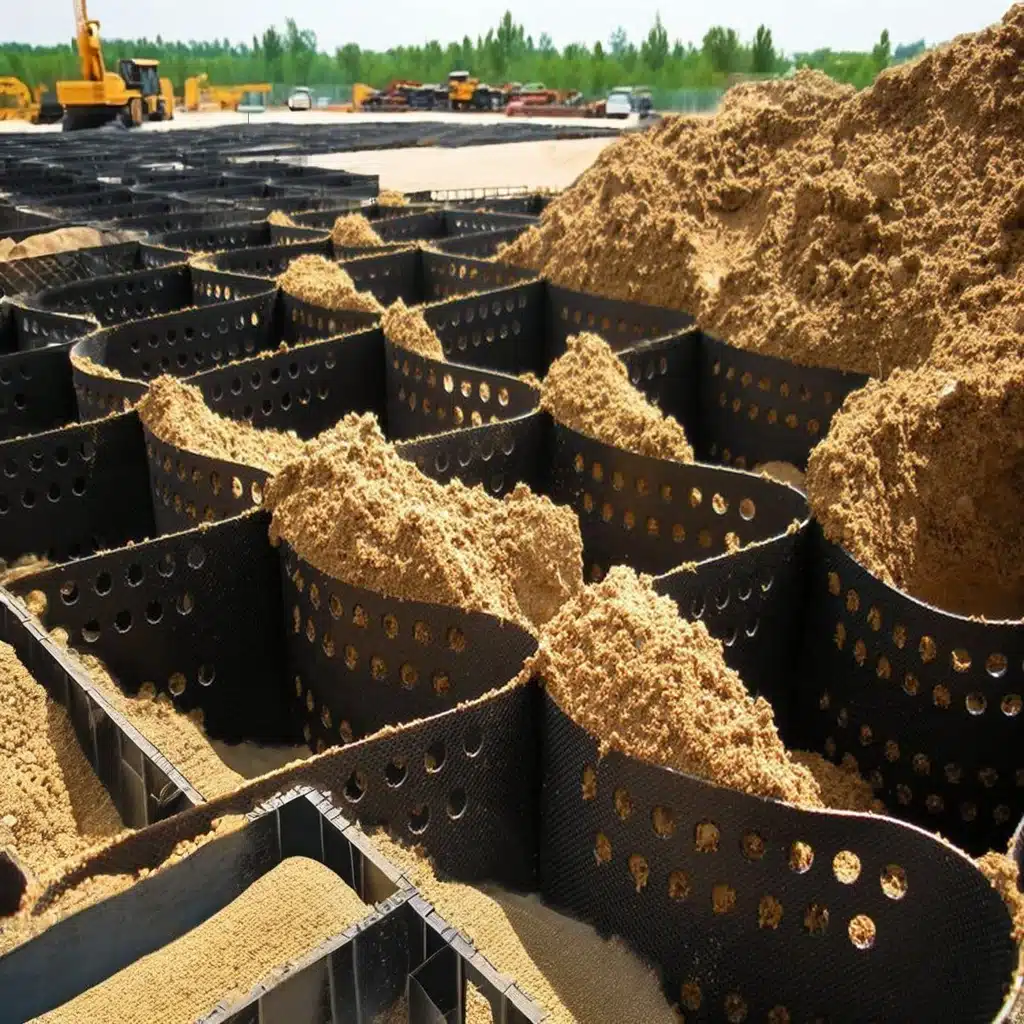
For most road projects, well-graded aggregate or crushed stone is preferred. The material should be placed carefully so empty cells are not crushed by equipment.
The cells should be filled evenly and slightly overfilled before compaction. After filling, the material should be compacted according to the project requirement.
Compaction is one of the most important road steps. If compaction is weak, the road can still rut or settle. If compaction is too aggressive before enough fill covers the cells, the panel can be damaged.
| Road Installation Step | Key Control Point | Factory-Side Note |
|---|---|---|
| Subgrade preparation | Level and compact the base | Weak soil must be treated first |
| Geotextile placement | Separate aggregate and soil | Useful for soft subgrade |
| Panel expansion | Open cells evenly | Do not overstretch panels |
| Anchoring | Fix panels before filling | Anchor spacing depends on site |
| Aggregate filling | Use suitable infill | Match cell size to aggregate |
| Compaction | Compact in correct sequence | Protect cells from damage |
For road projects that need both confinement and tensile reinforcement, buyers can also review geogrid reinforcement products and compare whether geocell, geogrid, or a combined solution fits the design.
How Do You Install Geocell On Slopes?
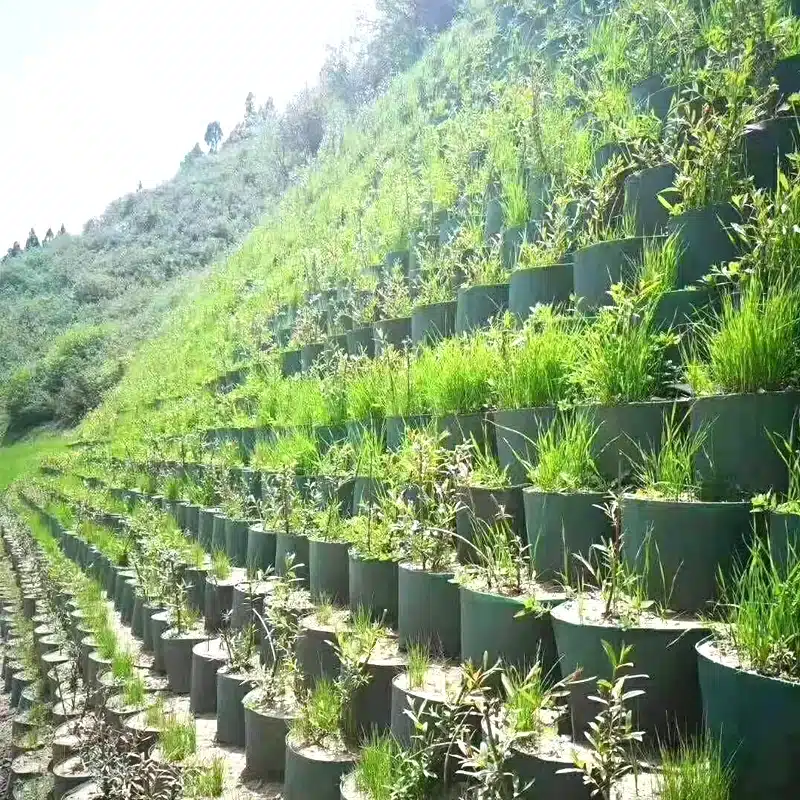
Slope installation is more sensitive than flat road installation because gravity pulls the panel and infill downward. Anchoring, panel direction, and infill control become very important.
To install geocell on slopes, trim and compact the slope surface, place geotextile if needed, anchor the geocell at the top, expand the panel down the slope, connect adjacent panels, fix the cells with anchors, fill them with soil, gravel, or concrete, and finish the surface based on the design.
Start from the top of the slope
In many slope projects, geocell panels are fixed at the top first. Then the panels are expanded downward along the slope surface.
This helps control panel movement. It also reduces the chance of sliding during installation.
The top anchoring line is important because it carries part of the installation stress. If top anchoring is weak, the whole panel may move when workers begin filling.
Use enough anchors
Anchor spacing depends on slope angle, soil type, cell height, water flow, and infill type. A gentle slope may need fewer anchors. A steep slope or high-flow area needs stronger fixing.
Buyers should not assume one anchor pattern fits every slope. The installation team should follow the project design and supplier recommendation.
Poor anchoring can cause panel movement, uneven cell expansion, and loss of infill.
Fill from top to bottom or as designed
Slope filling should be controlled. Soil or gravel should not be dumped heavily onto empty cells. The infill should be placed in a way that does not drag the geocell down the slope.
For vegetated slopes, topsoil or planting soil may be used. For stronger surface protection, gravel or crushed stone can be used. For channels or severe erosion zones, concrete may be selected.
| Slope Installation Point | Why It Matters | Risk If Ignored |
|---|---|---|
| Top anchoring | Holds the system in position | Panel sliding |
| Correct expansion | Keeps cells open evenly | Poor confinement |
| Sufficient anchors | Resists gravity and runoff | Infill movement |
| Controlled filling | Protects cell shape | Cell deformation |
| Suitable infill | Matches project purpose | Washout or poor vegetation |
| Drainage planning | Reduces water pressure | Surface erosion |
For slope protection projects, buyers should confirm whether they need soil infill, gravel infill, concrete infill, or a green surface before ordering.
How Do You Install Geocell For Erosion Control?
Erosion-control installation must focus on water movement. The geocell should hold the surface material in place and reduce washout from rainfall, runoff, or flowing water.
To install geocell for erosion control, shape the surface, manage drainage paths, place geotextile if needed, expand and anchor the geocell panels, connect the sections, fill the cells with soil, gravel, stone, or concrete, and finish the surface to resist water flow.
Understand the water condition first
Erosion-control projects can include road shoulders, channels, riverbanks, drainage ditches, embankments, landfill slopes, and stormwater areas.
Each site has a different water condition. Light rainfall erosion is not the same as concentrated channel flow. A vegetated surface is not the same as a concrete-filled protection layer.
The buyer should confirm the water flow direction, flow strength, rainfall condition, and soil type before choosing geocell specification.
Choose the right infill
The infill decides how the system resists erosion. Soil supports vegetation. Gravel improves drainage and surface protection. Concrete provides hard protection in high-flow areas.
If the infill is too light for the water flow, it may wash out. If the cell height is too low, the material may not stay in place. If the cells are not anchored correctly, the whole panel can move.
This is why geocell installation for erosion control should be planned as a system.
Finish the surface properly
After filling, the surface should be finished according to the project design. Vegetated projects may need seeding, watering, and erosion-control cover during early growth. Gravel systems may need leveling and checking for empty cells. Concrete systems need proper placement and curing.
The final surface is not just for appearance. It affects how water moves over the system.
| Erosion-Control Area | Common Infill | Main Installation Focus |
|---|---|---|
| Road shoulder | Gravel or soil | Edge support and drainage |
| Drainage ditch | Gravel or concrete | Flow resistance |
| Riverbank | Stone, gravel, or soil | Anchoring and water stability |
| Embankment | Soil and vegetation | Root growth and slope fixing |
| Landfill slope | Soil or aggregate | Surface stability and drainage |
| Channel | Concrete or stone | High-flow protection |
For visual market research, buyers can review TikTok geocell installation videos[^3]. These videos can show field scenes, but project details should still be confirmed by design and factory data.
What Infill Material Should You Use With Geocell?
The infill material decides how the geocell layer performs. A strong geocell with poor infill can still create weak results.
Common geocell infill materials include crushed stone, gravel, sand, local soil, topsoil, recycled aggregate, and concrete. Roads usually need compactable aggregate, slopes often use soil or gravel, and erosion-control channels may need stone or concrete.
Aggregate is common for roads
Crushed stone and gravel are common in road base projects because they compact well and provide load support. When placed inside geocell, aggregate movement is reduced.
The aggregate size should match the cell opening. If the stone is too large, it may not fill the cells properly. If it contains too many fines, drainage and compaction can be affected.
Soil is common for green slopes
Topsoil or planting soil is often used in slope projects where vegetation is required. The geocell holds the soil in place before roots develop.
The soil should support plant growth and stay stable during early rainfall. If the soil is too loose or too fine, it may wash out before vegetation becomes established.
Concrete is used for severe erosion
Concrete is used when the site needs a hard surface. This may include drainage channels, high-flow ditches, and severe erosion areas.
Concrete-filled geocell is stronger, but it is less flexible and less ecological. It also costs more. Buyers should use it when the project requires hard protection, not just because it looks strong.
| Infill Material | Common Use | Buyer Should Check |
|---|---|---|
| Crushed Stone | Road base and heavy-duty access roads | Gradation and compaction |
| Gravel | Roads, slopes, drainage areas | Particle size and drainage |
| Sand | Light-duty projects | Compaction and erosion risk |
| Local Soil | Temporary roads or green slopes | Moisture and strength |
| Topsoil | Vegetated slope protection | Plant growth and washout risk |
| Concrete | Channels and severe erosion zones | Placement and curing |
The best infill is not always the cheapest material on site. It is the material that can stay stable inside the cell structure and match the project function.
What Common Installation Mistakes Should Buyers Avoid?
Most geocell installation mistakes come from treating the product as a simple plastic panel. Geocell is a system product. It needs correct subgrade, anchoring, infill, connection, and compaction.
Common geocell installation mistakes include poor subgrade preparation, wrong geocell specification, weak anchoring, poor panel connection, unsuitable infill, insufficient compaction, no drainage plan, and comparing suppliers only by price before checking quality.
Mistake 1: Ignoring the subgrade
If the ground is weak, wet, or uneven, the geocell system may not perform well. The panel can only improve the filled layer. It cannot fully correct poor preparation.
Buyers should make sure the site is graded, compacted, and drained before installation.
Mistake 2: Using the wrong cell height
Cell height affects how much infill the geocell can hold. A road base may need a different height from a light slope surface. A drainage channel may need another specification.
Using one standard height for every project is risky. The correct height depends on load, slope angle, water flow, and infill type.
Mistake 3: Weak anchoring
Anchoring is especially important on slopes and erosion-control projects. If anchors are too few or too weak, the panel can move during filling or after rainfall.
The anchor layout should follow the project design. Steeper slopes and stronger water flow usually need stronger anchoring.
Mistake 4: Buying only by price
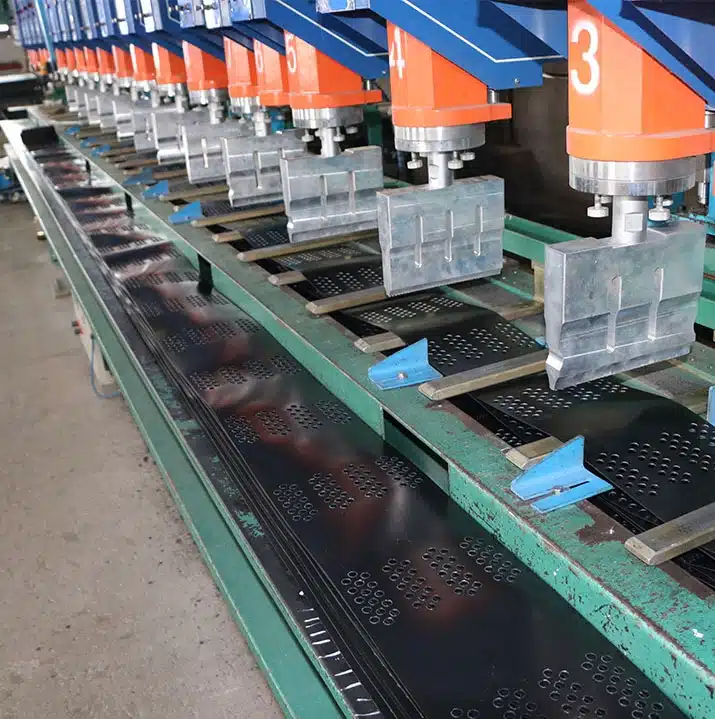
Low-price geocell may use thinner sheet, weak welds, unstable resin, or poor packing. These problems may not be clear in photos.
A serious buyer should compare material, thickness, weld strength, cell height, perforation, surface texture, and export support before comparing price.
| Mistake | Possible Result | Better Practice |
|---|---|---|
| Poor site preparation | Settlement or deformation | Clear, level, drain, and compact |
| Wrong cell height | Weak confinement | Match height to project |
| Weak anchoring | Panel movement | Design anchor spacing correctly |
| Poor connection | System separation | Connect adjacent panels firmly |
| Bad infill | Low performance | Use suitable compactable material |
| No drainage plan | Water damage | Plan flow paths before installation |
| Price-only buying | Wrong product selection | Compare full specification first |
For product visibility and application examples, buyers can also check Facebook geocell application posts[^4]. Social posts are useful for ideas, but technical decisions should still be based on engineering requirements and supplier data.
How Should Buyers Source Geocell Before Installation?
Good installation starts before the material arrives. If the specification is wrong, the site team may struggle even with good workmanship.
Before sourcing geocell, buyers should confirm the application, ground condition, slope angle, expected load, water condition, infill material, sheet thickness, cell height, weld strength, perforation, panel size, quantity, destination port, and packing needs.
Provide project details first
A factory cannot recommend the right product from quantity alone. The buyer should explain whether the geocell is for road construction, slope protection, erosion control, retaining wall, or drainage channel.
The buyer should also share site conditions. Soft soil, steep slope, heavy traffic, strong water flow, and limited aggregate supply all affect specification.
Confirm key specification points
The buyer should confirm HDPE or PP material, sheet thickness, cell height, weld spacing, weld strength, perforation, surface texture, and expanded panel size.
Weld strength is very important. A panel can look good but fail at the joints if the welding is weak. This is why buyers should ask how the factory controls welding.
Check export and packing details
For overseas buyers, export packing is not a small issue. Roll size, bundle weight, label, container loading, and shipment documents all affect installation planning.
If the project schedule is tight, the buyer should confirm production lead time and shipping plan early.
| Buyer Information | Why Factory Needs It | What It Helps Confirm |
|---|---|---|
| Application | Defines product function | Road, slope, erosion, wall, or channel |
| Load / Slope / Water | Defines site stress | Thickness, height, and anchoring |
| Infill Material | Affects cell size and compaction | Aggregate, soil, gravel, or concrete |
| Quantity | Affects production planning | MOQ, price, and lead time |
| Destination Port | Affects shipment | Freight and loading details |
| Packing Need | Affects site handling | Roll size, bundle size, label |
| Project Schedule | Affects production priority | Delivery plan |
For buyers comparing multiple construction materials, it is useful to review MJY geosynthetic materials and match each material to its real function instead of choosing only by unit price.
My View
When I guide buyers on geocell installation, I always start with the project condition. A road, a slope, and an erosion-control channel do not need the same installation logic.
A road needs a compacted base and suitable aggregate. A slope needs stronger anchoring and controlled filling. An erosion-control project needs water-flow thinking and the correct surface treatment.
The biggest buying mistake is choosing a geocell only by price and then expecting the site team to solve every problem during installation. That is not professional procurement. The correct product must be selected before the goods are shipped.
My suggestion is simple. Confirm the application first. Confirm the specification second. Plan the installation third. Compare price last. This order helps buyers reduce wrong material selection, weak anchoring, poor infill, site delay, and project risk.
Conclusion
Geocell installation works best when the ground, panel specification, anchoring, infill, compaction, and drainage are planned together. The product must match the project condition.
SEO Summary
Article Title:
Meta Description:
Main Keywords:
Footnotes
[^1]: This Wikipedia page is used to support the basic explanation of cellular confinement systems and how geocells work as expanded honeycomb structures.
[^2]: This Wikipedia page is used to explain the wider category of geosynthetics and their civil engineering functions, including separation, reinforcement, filtration, drainage, and erosion control.
[^3]: This TikTok search page is included as a social media reference for geocell installation visuals. Buyers should verify technical details with engineering design and supplier data.
[^4]: This Facebook search page is included as a social media reference for geocell application posts. It should not replace project design, factory specification, or site engineering judgment.