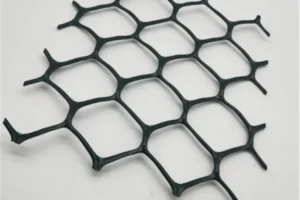
A grid paver can look right in a product photo and still fail at the driveway if the infill, base, traffic, drainage, edge restraint, and maintenance plan do not match the use.
Gravel grid is generally chosen when a stable gravel surface and load distribution are the main goal, while grass grid is considered when a vegetated, permeable appearance is required. The better choice depends on traffic, base design, drainage, infill stability, climate, maintenance, and the approved site layout.
Before choosing the infill, buyers should separate the visual requirement from the structural and drainage requirements, because the same plastic grid can behave very differently with grass and with gravel.
Send the driveway or parking section, traffic use, area, base depth, soil, drainage, preferred infill, destination, and required documents for an RFQ review.
Request a grid paver checkA gravel-grid or grass-grid RFQ should state the application, traffic category, wheel load or use pattern, area, soil and drainage condition, base depth, grid panel size, infill, edge restraint, slope, quantity, destination, packaging, and required documents. “For parking” is not enough to determine the finished surface or base requirement.
What Is the Practical Difference Between Gravel Grid and Grass Grid?
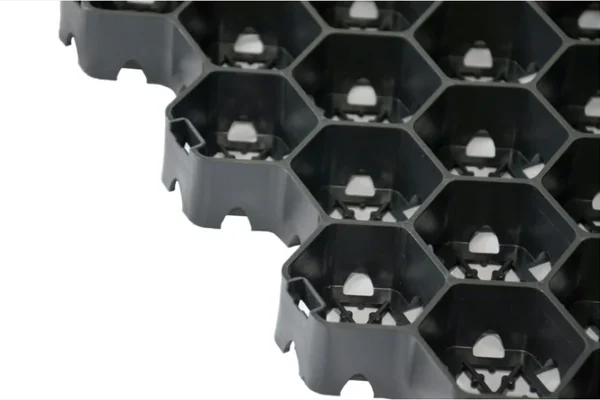
The grid provides a cellular surface framework, but gravel and grass make different demands on base, drainage, maintenance, appearance, and expected traffic.
Gravel infill is often selected when a firm, stone-finished surface is needed for driveways, parking areas, access routes, or service zones. Grass infill is often selected when the project values a green appearance and intermittent traffic, such as overflow parking or fire-access areas.
EPA identifies grid pavers among permeable surface options and explains that permeable pavement systems allow water to move through surface and gravel layers. The final drainage behavior depends on the full section, not the plastic panel alone. [1]
The same panel design may not suit both uses without a change in infill, base profile, or maintenance expectation. Buyers should avoid treating the terms as only a color or landscaping decision.
Which Project Conditions Change the Choice?
Traffic frequency, load, turning movements, slope, soil, rainfall, base depth, drainage, infill, edge restraint, sunlight, and maintenance capacity can change the recommended surface.
Grass grid needs a realistic vegetation plan. Shade, dry weather, frequent wheel traffic, salt exposure, and inadequate soil or water can prevent a green finish from being maintained. Gravel grid needs stable stone, controlled edge movement, and periodic re-leveling where traffic displaces surface aggregate.
EPA notes that plastic grid pavers are among permeable pavement alternatives that allow water to reach underlying soil and gravel layers. Infiltration is site-dependent, and an underdrain or liner may be required where groundwater, soils, or runoff controls demand it. [2]
A project with heavy daily turning traffic should not assume that grass infill will remain visually uniform. A project that needs a green surface should not assume gravel performance without the required soil and planting detail.
| Project condition | What to confirm | Risk if missed |
|---|---|---|
| Gravel driveway | Traffic, stone size, base, edge restraint | Rutting or gravel migration |
| Overflow grass parking | Traffic frequency, soil, sunlight, vegetation plan | Bare cells and weak turf |
| Fire lane or access route | Design load, local requirements, maintenance | Surface does not meet use condition |
| Sloped parking edge | Drainage, anchoring, infill retention | Surface washout or panel movement |
How Does Base Preparation Affect Both Options?
Both gravel and grass grid need a prepared, stable base and a defined drainage path. The required base thickness and materials should follow the project use and site design.
The grid distributes and confines the selected infill, but it cannot correct a soft subgrade, trapped water, missing edge restraint, or an undersized aggregate section. The prepared formation and construction sequence determine whether the surface remains even.
EPA guidance for permeable pavements describes underlying soil and gravel layers as part of the system. The base can provide structural support and runoff storage, subject to the site design and local requirements. [3]
Expert Insight: The panel price is usually a small part of the installed decision. Underestimating subgrade preparation, base aggregate, edge restraint, drainage, and infill maintenance creates a surface that looks economical only before the first wet season.
What Installation Mistakes Cause Surface Problems?
Common mistakes include placing panels on an uneven base, filling with unsuitable material, omitting edge restraint, allowing traffic before the surface is stabilized, ignoring drainage, and choosing grass where traffic or climate cannot support it.
Set the panels on the prepared profile, connect or overlap them as required, keep the cells aligned, and fill without crushing or dragging the grid. Follow the approved compaction and finishing sequence for the chosen infill.
For grass infill, avoid creating a shallow soil pocket that dries quickly or washes out. For gravel infill, confirm the aggregate size and surface treatment so that stone does not sit above the cell wall or migrate during use.
Field Note: Many buyers request a panel thickness but do not provide the traffic pattern. Straight low-speed parking, turning vehicle loads, delivery access, and emergency use can place very different demands on the same grid surface.
How Should Buyers Compare Quotations?
Compare panel material, cell geometry, coverage per panel, load information as stated by the supplier, infill guidance, base requirement, connection, edge treatment, packaging, delivery, and what the quoted price excludes.
A lower price can reflect a different panel coverage, wall geometry, weight, or accessory scope. The useful comparison is finished area with the specified base, infill, edges, and installation method, not simply the number of panels in a carton.
QC Check: Request a sample, panel dimensions, coverage calculation, connection detail, stated load information and its test basis, packaging, labels, batch information, and an installation drawing before confirming bulk supply.
What Should Be Included in a Grid Paver RFQ?
Include the application, traffic and turning use, soil, slope, base and drainage detail, target infill, panel size, area, edge treatment, quantity, destination, packing, schedule, and required documents.
A supplier can help select a panel format and coverage plan, while the final base and drainage requirement should be confirmed by the project design and any local stormwater or access rules.
Buyers can compare grass grid for parking lots, review permeable surface applications, and submit the site detail through the grid paver RFQ form before ordering.
FAQs
Is gravel grid stronger than grass grid?
The finished result depends on the panel, infill, base, traffic, drainage, edge restraint, and site design. Gravel and grass are different surface systems rather than a simple strength ranking.
Can grass grid handle regular vehicle traffic?
It may suit intermittent or suitable low-speed traffic when the complete system is designed for the use. Frequent turning, climate, sunlight, and maintenance can change the recommendation.
What is needed for a grid paver quote?
Provide the use, traffic, area, soil, slope, drainage, base detail, infill, panel preference, edge treatment, quantity, destination, packaging, and required documents.
Conclusion
Gravel grid and grass grid should be selected from the finished surface requirement and complete base system. Confirm traffic, infill, soil, drainage, edge restraint, climate, and maintenance before comparing panel prices.