July 21, 2026

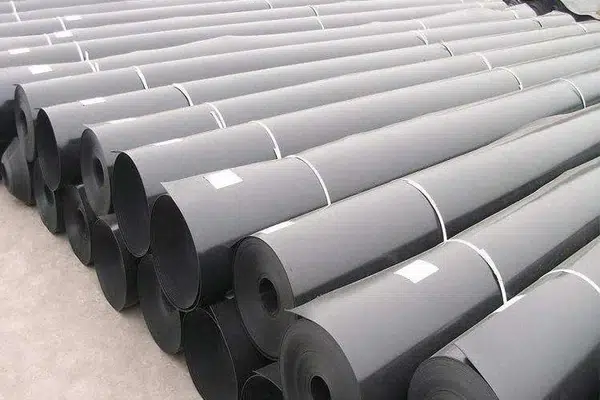
HDPE geomembrane liner material used for landfill containment planning

HDPE Liner for Landfills: Thickness, Texturing, and Protection Layers

A landfill liner is easy to reduce to a thickness and price per square metre, but the real risk sits in the complete containment section: subgrade, surface texture, protection layers, seams, drainage, and inspection access. HDPE liner is commonly selected for landfill containment when thickness, surface finish, puncture protection, seam procedure, chemical exposure, and project-specific […]

HDPE Liner for Landfills: Thickness, Texturing, and Protection Layers Read More »

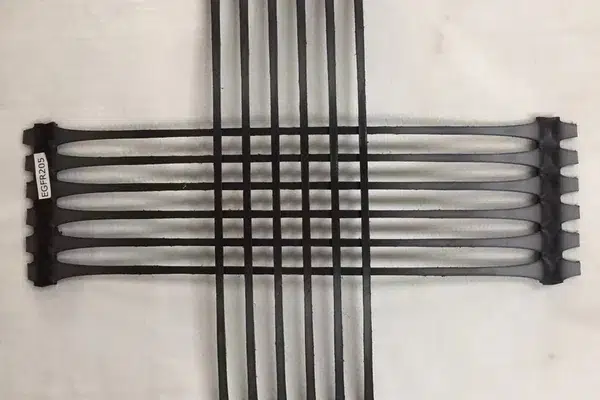
Uniaxial geogrid roll for reinforcement direction and soil support review

Geogrid Reinforcement: How It Improves Soil and Aggregate Performance

Geogrid reinforcement can improve a soil or aggregate layer, but a roll with a high tensile value cannot compensate for the wrong direction, poor subgrade preparation, unsuitable aggregate, or an unplanned placement sequence. Geogrid reinforcement can improve load distribution, aggregate interaction, or soil support when the grid type, tensile direction, aperture structure, subgrade, aggregate, and

Geogrid Reinforcement: How It Improves Soil and Aggregate Performance Read More »

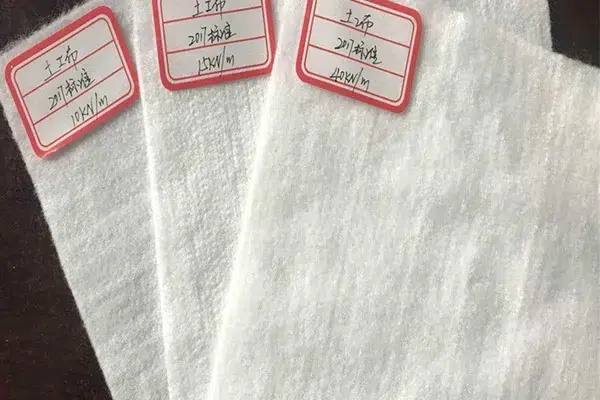
Nonwoven geotextile fabric for filtration and drainage layer selection

Geotextile Filter Fabric: Permeability, Opening Size, and Drainage Use

Geotextile filter fabric can support drainage and separation, but a fabric selected only by GSM can create clogging, soil migration, puncture damage, or a drainage layer that does not match the project water path. Geotextile filter fabric should be selected by soil condition, apparent opening size, permittivity, puncture exposure, drainage aggregate, and installation method. The

Geotextile Filter Fabric: Permeability, Opening Size, and Drainage Use Read More »

en_USEnglish

Get Free Quote!