Geotextile filter fabric can support drainage and separation, but a fabric selected only by GSM can create clogging, soil migration, puncture damage, or a drainage layer that does not match the project water path.
Geotextile filter fabric should be selected by soil condition, apparent opening size, permittivity, puncture exposure, drainage aggregate, and installation method. The fabric must allow the intended water movement while helping control movement of soil particles into the drainage layer.
For trench drains, retaining walls, road edges, underdrains, pond protection, and other civil details, the fabric is one part of a filter system. It should not be specified as a generic white roll without understanding the soil, aggregate, water condition, and cover-placement exposure.
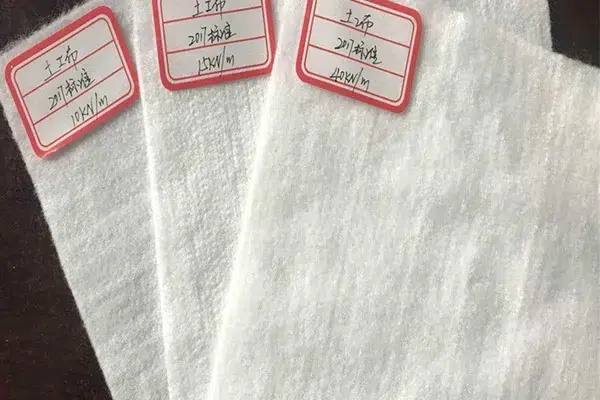
Send the soil description, drainage section, aggregate, expected water condition, roll size, quantity, destination, and requested test standard for an RFQ review.
Request a filter fabric spec checkAn effective RFQ describes the required function: filtration, separation, protection, drainage support, or a combination. Include the soil condition, aggregate, water path, puncture exposure, target properties or drawing, roll dimensions, placement method, area, quantity, destination, packaging, and documentation requirements.
What Does Geotextile Filter Fabric Do?
Filter fabric commonly separates soil from drainage aggregate while allowing water to move through the fabric. The project aim is controlled water flow and stable soil retention, not simply the highest possible flow number on a data sheet.
A good filter relationship considers soil particle behavior, water condition, aggregate voids, and the fabric properties. FHWA design guidance places geosynthetics within the full application context. The final filter selection should be confirmed by the responsible project team rather than inferred from the word ‘drainage.’ [1]
Filter fabric may also provide separation or cushioning, but those functions have their own property requirements. A drainage trench with fine soil and clean stone faces different risks from a pond underlay or a road edge exposed to construction traffic.
Why Are Permittivity and Opening Size Both Important?
Permittivity and apparent opening size describe different aspects of filter behavior. Permittivity relates to water flow through the fabric under a test method, while apparent opening size helps assess a filtration-related characteristic. Neither value alone completes a drainage design.
ASTM D4491 covers water permeability of geotextiles by permittivity, and ASTM D4751 covers apparent opening size. These methods let buyers compare stated data on a consistent basis, but the project must still assess compatibility with soil, hydraulic gradient, drainage aggregate, and site conditions. [2] [3]
| Selection check | Why it matters | Risk if ignored |
|---|---|---|
| Apparent opening size | Filter relationship with soil | Soil migration or unsuitable retention |
| Permittivity | Water passage through fabric | Drainage path may not match water condition |
| Puncture resistance | Aggregate placement and handling exposure | Tears before the layer is covered |
| Roll width and layout | Overlap, waste, trench or blanket coverage | Extra joints or slow installation |
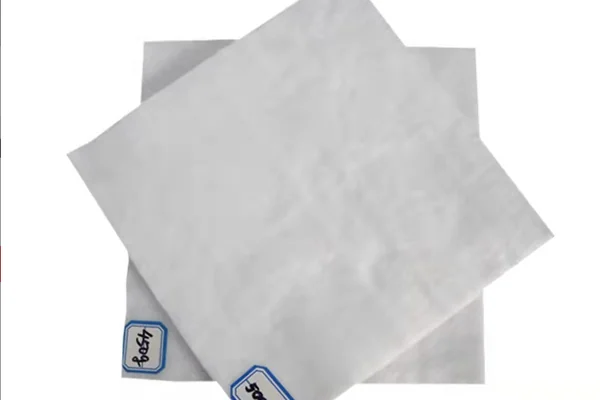
How Does Installation Affect Filtration Performance?
Even a suitable filter fabric can fail its intended function if it is damaged by aggregate, folded into the flow path, contaminated, bridged over voids, or installed with an unapproved overlap and cover sequence.
Prepare the subgrade or trench surface, remove sharp protrusions, place the fabric without uncontrolled tension or tears, and follow the project detail for overlaps and cover placement. The site should protect exposed fabric from traffic and weather conditions that exceed the planned installation window.
Factory Tip: Before bulk supply, compare the approved sample with the data sheet, then verify roll width, roll length, packing, labels, batch traceability, and placement plan. A correct material in an impractical roll size can still create site waste and handling problems.
What Mistakes Cause Clogging or Rework?
Frequent mistakes include choosing by weight only, assuming all nonwoven fabrics filter the same soil, omitting puncture review, placing aggregate without protecting the fabric, and leaving the drainage outlet or maintenance path undefined.
Fine soil, intermittent flow, and sediment entering from an open edge can change the operating condition after construction. The drainage detail should identify where water exits and how the system can be protected or maintained. A well-selected fabric cannot preserve drainage capacity when the outlet is blocked or uncontrolled fines are continuously introduced into the aggregate layer.
ASTM D4833 provides an index puncture method that can help compare documented resistance for geosynthetics. It does not establish the acceptance requirement for every aggregate or construction method, so buyers should connect the test data to the actual installation exposure. [4]
QC Check: Request stated test methods, the data sheet, roll dimensions, labels, packaging, batch information, required test reports, and sample approval process. Confirm the drainage section and soil condition before finalizing the fabric specification.
What Should Be in a Filter Fabric RFQ?
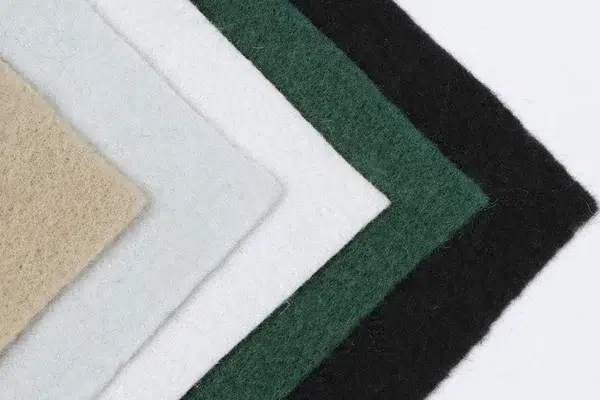
A filter-fabric RFQ should state the application, soil and aggregate, water condition, required function, target properties, roll size, area, quantity, destination, installation method, and specified test or document requirements.
Explain whether the fabric will wrap a trench drain, sit behind a retaining wall, separate road layers, protect a liner, or support another drainage detail. Buyers can review geotextile filter fabric options, compare drainage-layer materials, and use the technical specification form before placing an order.
FAQs
Is a heavier geotextile always a better filter fabric?
No. GSM can affect handling and cushioning, but opening size, permittivity, soil, aggregate, puncture exposure, and the intended drainage function still need review.
Can filter fabric stop every soil particle?
No. The objective is a stable filter relationship for the design soil and water condition. No generic fabric should be treated as a universal guarantee.
Which documents should buyers request?
Request the data sheet, stated test methods, relevant opening-size, flow, puncture, and strength data, roll dimensions, packaging, labels, batch traceability, and project-required reports.
Conclusion
Geotextile filter fabric should be purchased as part of a drainage and soil-control detail. Confirm soil, water, opening size, permittivity, puncture exposure, roll layout, and installation method before comparing prices.