Some buyers use geotextile for waterproofing and discover too late that water still moves through it.
No, standard geotextile is not a waterproofing barrier. Geotextile is normally used for filtration, drainage, separation, reinforcement, or liner protection. If the project needs a low-permeability waterproof layer, use geomembrane, often with geotextile as underlay or protection.
The confusion is understandable. Geotextile and geomembrane often appear in the same pond, landfill, tunnel, or drainage project. But they do different jobs, and ordering the wrong layer can create leaks, rework, and difficult site arguments.
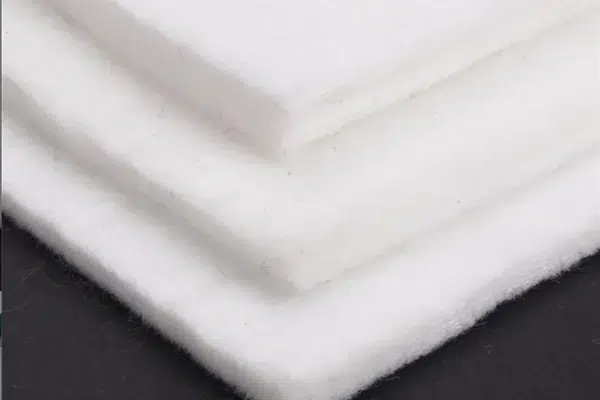
Send your project use, water condition, soil type, and expected liner thickness to compare geotextile and geomembrane before ordering.
Request a waterproofing layer checkWhat Geotextile Actually Does
Geotextile usually helps water move or soil stay separated; it does not stop water like a liner. In drainage and filtration work, apparent opening size and permittivity are important because the fabric must allow water to pass while controlling soil movement. [1] [2]
Nonwoven geotextile is often used behind retaining walls, under drainage stone, above or below geomembrane, and under road aggregate. Woven geotextile can provide separation and reinforcement where higher tensile strength is needed.
Factory Tip: When a buyer asks for ‘waterproof geotextile,’ I usually ask whether they mean protection fabric or an actual barrier. If the answer is pond, landfill, wastewater, or chemical containment, the discussion normally shifts toward geomembrane.
When You Need Geomembrane Instead
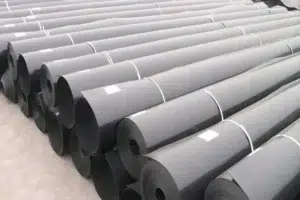
Use geomembrane when the project needs containment, seepage control, or waterproof lining. HDPE geomembrane is commonly selected for ponds, reservoirs, landfills, mining ponds, canals, and wastewater areas because it functions as a low-permeability barrier.
A geomembrane still needs good subgrade preparation and, in many projects, a geotextile protection layer. The geotextile protects the liner from puncture, separates rough soil from the membrane, and can help with drainage around the system. It supports waterproofing; it is not the waterproofing layer.
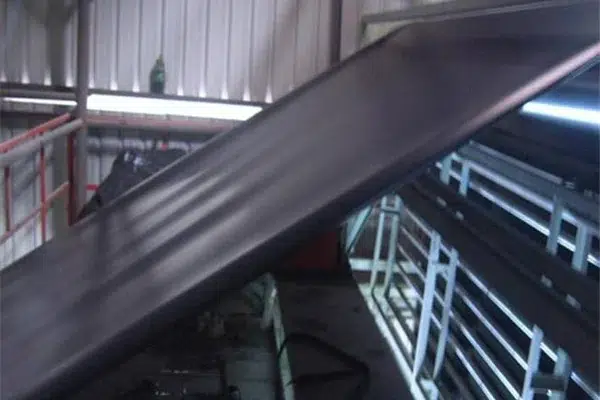
Geotextile vs Geomembrane for Buyer Decisions
| Project need | Better material | Buyer check |
|---|---|---|
| Drainage behind wall | Nonwoven geotextile | Opening size, flow, clogging risk |
| Pond waterproof lining | HDPE geomembrane | Thickness, welding, puncture protection |
| Landfill barrier system | Geomembrane plus protection layers | Regulatory design, seam testing, cushion layer |
| Road separation | Woven or nonwoven geotextile | Tensile strength, overlap, subgrade condition |
| Liner protection | Geotextile underlay or cover | CBR puncture, weight, aggregate sharpness |
FHWA geosynthetic guidance is useful because it separates functions: filtration, drainage, separation, reinforcement, and barrier-related systems should not be mixed casually. [3] A buyer should identify the function first, then choose the product.
Sourcing Mistake: Buying Fabric When the Project Needs a Barrier
The most expensive mistake is saving money on the wrong material. A geotextile roll can look much cheaper than geomembrane, but if the project requires seepage control, the cost of removing wet fill, repairing leaks, and reinstalling a liner can exceed the original material saving.
Field Note: We have seen inquiry sketches where a buyer placed nonwoven fabric at the bottom of a pond and called it a liner. In that case, the correct system was a geomembrane liner with geotextile underlay, not geotextile alone.
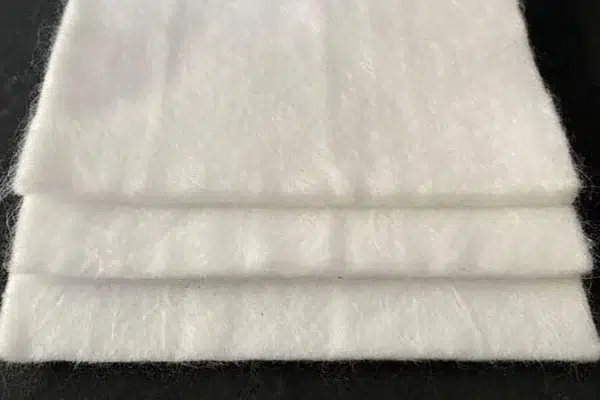
RFQ Checklist Before Ordering
| RFQ item | Why it matters |
|---|---|
| Project use | Pond, landfill, tunnel, canal, road, or drainage layer changes the material |
| Waterproofing requirement | Confirms whether a barrier layer is needed |
| Subgrade condition | Sharp stones or rough soil may require geotextile protection |
| Liner thickness | Needed when geomembrane is part of the system |
| Installation method | Welding, overlap, anchoring, and inspection affect the final result |
For waterproof containment, compare MJY geomembrane liner options. If the project needs protection fabric, review geotextile fabric for separation and drainage. For landfill-type systems, see landfill geosynthetics applications.
My View
My view is simple: do not ask one material to do two opposite jobs. Geotextile is valuable because it can let water pass, filter soil, separate layers, and protect a liner. Geomembrane is valuable because it blocks seepage when welded and installed correctly. If a buyer only says ‘waterproof fabric,’ the supplier should slow down the quotation and confirm the actual function. A slightly longer RFQ conversation is much cheaper than ordering a full container of the wrong material.
Conclusion
Geotextile is usually not the waterproofing layer. Use geotextile for drainage, separation, filtration, and protection; use geomembrane when the project needs a real barrier.
FAQs
Can nonwoven geotextile stop water?
No. Nonwoven geotextile usually allows water to pass through it. That is why it is used in drainage and filtration systems.
Can geotextile be used under a pond liner?
Yes. Geotextile is often used under a geomembrane pond liner to reduce puncture risk from rough subgrade or stones.
Is geomembrane always needed for waterproofing?
For civil containment projects, usually yes. The exact liner type and thickness depend on water pressure, chemicals, subgrade, and installation method.