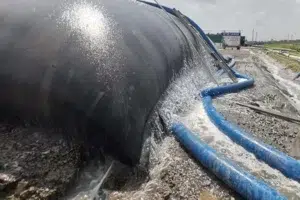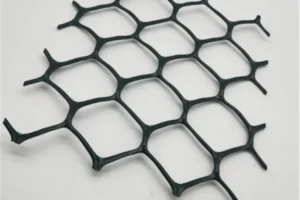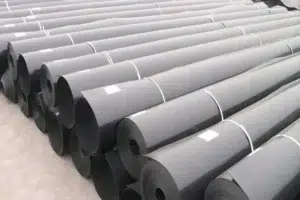
A geocell panel can arrive with the requested depth and still create delay when the connection pattern, expanded size, infill, anchoring, and site layout were not confirmed before shipment.
Geocell panels should be selected by application, cell depth, expanded panel size, weld spacing, material type, perforation, connection detail, infill, subgrade condition, load, and installation layout. The right panel is the one that fits the approved section and site sequence, not simply the deepest cell.
The useful buying question is how the panel will be expanded, connected, filled, anchored, and covered under the actual project load and ground condition.
Send the section drawing, subgrade condition, traffic or slope load, target cell depth, infill, area, destination, and required documents for an RFQ review.
Request a geocell panel checkA complete geocell RFQ should include the application, prepared area, subgrade condition, design load or traffic category, slope angle where relevant, cell depth, material and perforation preference, panel dimensions, connection method, infill, anchoring, quantity, destination, packing, and required documentation. “Geocell for road” is not enough information for a reliable panel quotation.
What Does a Geocell Panel Do?
A geocell panel forms a three-dimensional confinement layer that can help control infill movement and distribute load when its geometry, infill, subgrade, and installation method fit the project.
The panel is not a universal substitute for proper base design, drainage, or subgrade preparation. In a road base, parking area, access track, slope, or erosion-control section, the project still needs an appropriate formation and a defined infill and cover sequence.
FHWA geosynthetic guidance emphasizes that geosynthetic selection must follow the application function and construction condition. The geocell panel should therefore be reviewed as part of the complete section, including drainage, separation, load, and placement equipment. [1]
For contractors, the practical benefit comes from repeatable panel coverage and controlled infill placement. A panel that does not match the section or access method can create extra trimming, weak connections, and slow filling.
How Should Buyers Choose Cell Depth and Panel Size?
Cell depth and expanded panel dimensions should follow the required confinement depth, infill size, design section, equipment access, and practical installation layout.
A deeper cell is not automatically a stronger project solution. It can require more fill, change the section elevation, increase panel weight during handling, and complicate anchoring or edge treatment. The specified depth should work with the approved construction profile.
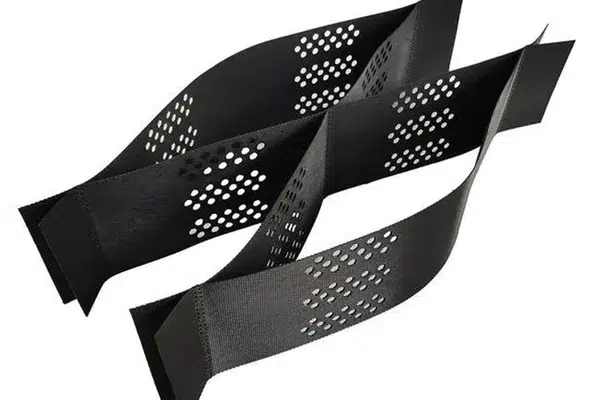
Panel dimensions also matter. Buyers should compare folded size for shipping with expanded size for coverage, then allow for edge cuts, curves, overlaps or connection zones, and the geometry of the working area. A nominal square-meter price does not show the waste created by a poor panel layout.
ASTM D4439 provides terminology used across geosynthetics. For procurement, clear terminology helps avoid a common mismatch: a buyer may request panel length, while a supplier may quote a folded strip dimension rather than the installed expanded coverage. [2]
| Project condition | What to confirm | Risk if missed |
|---|---|---|
| Light access road | Cell depth, subgrade, aggregate, traffic | Insufficient confinement or oversized section |
| Parking or hardstanding | Panel layout, base profile, edge restraint | Panel trimming and uneven infill |
| Slope protection | Cell depth, anchoring, slope angle, infill | Panel movement or poor surface cover |
| Erosion-control channel | Flow condition, anchoring, infill retention | Scour around edges or connections |
Why Do Connections and Weld Spacing Matter?
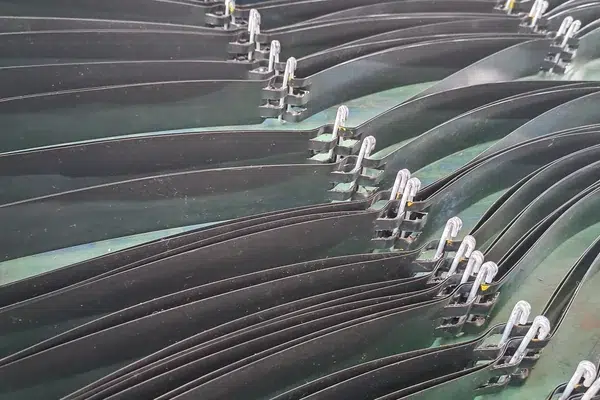
Connections and weld geometry affect whether adjacent panels maintain the intended layout while the cells are expanded, filled, compacted, and exposed to construction loading.
The project should identify the connection method, spacing, fastener type where applicable, and whether connection accessories are included in the quote. A panel may appear complete in a product photo but still require a practical site connection plan.
Weld spacing, strip arrangement, and perforation are product variables that should be confirmed on the approved data sheet and sample. They should not be inferred from cell depth alone. Buyers should request the documented panel configuration before bulk production.
Factory Tip: Ask for an expanded-panel coverage drawing with the quoted folded dimensions. This small check reveals how many panels, connectors, anchors, and edge cuts the crew will actually need on site.
How Do Infill and Subgrade Change the Result?
Geocell performance depends on the interaction between the cell, selected infill, prepared subgrade, drainage, and applied load. The panel does not compensate for uncontrolled wet or weak ground.
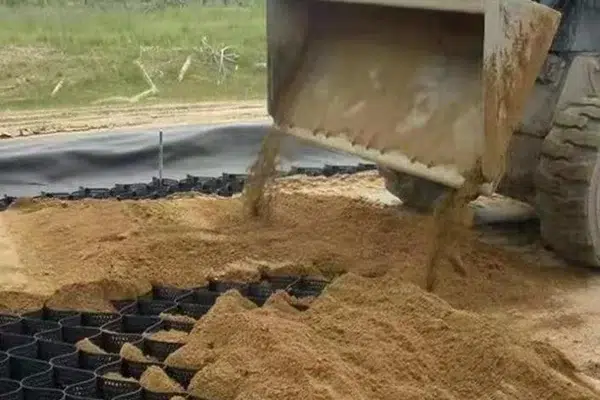
Aggregate confinement is a core mechanism in many base-stabilization uses, but aggregate size, gradation, moisture, compaction, and placement method must fit the section. On slopes, soil, gravel, vegetation media, or concrete infill each require a different anchoring and installation review.
Where water is present, confirm the drainage path and separation detail before the panel is installed. Trapped water or pumping fines can undermine the intended base condition even when the panel itself has the correct depth. The International Geosynthetics Society provides broader educational material, but the final section still needs project-specific engineering review. [4]
Field Note: A recurring sourcing mistake is comparing geocell only by depth and square meters. The more useful comparison is coverage after expansion, connector count, anchoring need, infill volume, and the labor needed to keep panels aligned while filling.
Which Installation Errors Create Rework?
Frequent errors include placing panels on an unprepared formation, stretching them unevenly, missing connectors, using unsuitable infill, overloading open cells, and skipping edge or slope anchorage.
Set out the panel layout before filling. Confirm the expanded dimension, connection sequence, edge treatment, overlap or butt condition required by the detail, and the route for equipment. Fill and compact in a way that does not pull or crush unprotected cells.
A site inspection should also check that the design elevation allows the required cover and that drainage outlets are not buried or blocked by the geocell layer. These are section-control issues, not minor finishing details.
What Should a Geocell Panel RFQ Include?
A reliable RFQ includes application, section drawing, subgrade condition, load, target cell depth, panel dimensions, weld and perforation preference, connections, infill, anchors, quantity, destination, packaging, and required reports.
For road and base work, include the traffic condition, aggregate, base thickness, and separation or drainage layers. For slopes, include slope angle, length, soil or infill, anchoring layout, drainage, and vegetation or erosion-control requirement.
Buyers can compare HDPE geocell panel options, review soil stabilization applications, and send the section through the geocell panel RFQ form. QC Check: confirm sample dimensions, expanded coverage, connector accessories, labels, packing method, batch information, and delivery access before release.
FAQs
Is a deeper geocell always better?
No. Cell depth must fit the approved section, infill, subgrade, load, drainage, and installation method. A deeper cell can add fill demand and handling complexity without improving a mismatched design.
How are geocell panels connected?
The connection method should be defined by the project and supplier documentation. Buyers should confirm panel layout, connector type, spacing, quantity, installation sequence, and whether accessories are included.
What information is needed for a quote?
Share the application, drawing, subgrade, load or slope condition, cell depth, panel coverage, infill, anchors or connectors, quantity, destination, packaging requirement, and required documents.
Conclusion
Geocell panels are layout-controlled materials. Confirm cell depth, expanded coverage, connections, infill, subgrade, anchoring, and packing before comparing price per square meter.