A pavement geogrid cannot correct a weak, wet, or poorly built base when the subgrade, aggregate, drainage, and placement sequence were never defined.
Geogrid for pavement can help control lateral aggregate movement and improve base stability when the grid aperture, aggregate, subgrade, base thickness, traffic, drainage, and placement method match the pavement design. It is not a substitute for the required granular section or an approved drainage detail.
The practical choice starts with the road section and site condition, then moves to geogrid type, roll layout, aggregate placement, and the documents needed for a defensible quotation.
Send the pavement section, subgrade condition, aggregate, traffic use, area, roll preference, destination, and required documents for an RFQ review.
Request a pavement geogrid checkA pavement-geogrid RFQ should identify paved or unpaved use, subgrade condition, water condition, base and subbase materials, design thickness, traffic category, target grid type, roll width, quantity, destination, packing, site access, and project-required test documents. A grid name alone does not describe the road section.
How Does Geogrid Help a Pavement Base?
Geogrid can help stabilize the aggregate layer by supporting lateral confinement and aggregate interaction when the grid, aggregate, subgrade, and pavement section are selected together.
FHWA describes base reinforcement in flexible pavements as developing interface shear between aggregate and reinforcement, which can provide lateral confinement. That mechanism is tied to the aggregate and loading condition; it should not be claimed as a guaranteed pavement outcome for every site. [1]
For a contractor, the immediate question is whether the grid is being used for separation, base reinforcement, subgrade stabilization, or a combined function. Those are related but not interchangeable design roles.
A pavement design may still need drainage, adequate granular thickness, and a separator where fine or wet subgrade can migrate into the base. A grid does not automatically stop pumping of fines.
Which Site Conditions Change the Geogrid Choice?
Subgrade strength, moisture, aggregate gradation, base thickness, traffic, construction equipment, and drainage determine whether geogrid is relevant and what the project must confirm.
Soft or wet subgrade can make construction access difficult before the pavement is even built. The grid and aggregate are part of a construction-platform and base-stability discussion, but the final section must still be set by the project design.
FHWA notes that for open-graded base or thin bases over wet, fine-grained subgrades, a separation geotextile may be considered with geogrid reinforcement. That is a useful reminder that a single product category may not cover every required function. [1]
The buyer should identify where water leaves the section. Without a drainage path, moisture and fines can continue to affect base performance after the grid is buried.
| Project condition | What to confirm | Risk if missed |
|---|---|---|
| Weak or wet subgrade | Subgrade condition, separation, drainage | Pumping or construction access problems |
| Aggregate base under traffic | Aperture, aggregate, base thickness, load | Poor confinement or early rutting |
| Thin pavement section | Design thickness and placement control | Grid exposed to construction damage |
| Long access road | Roll width, joints, delivery, layout | Extra overlap and material waste |
What Should Buyers Compare in a Pavement Geogrid?
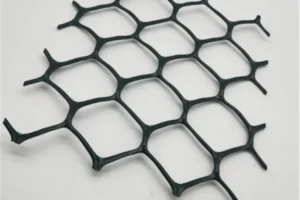
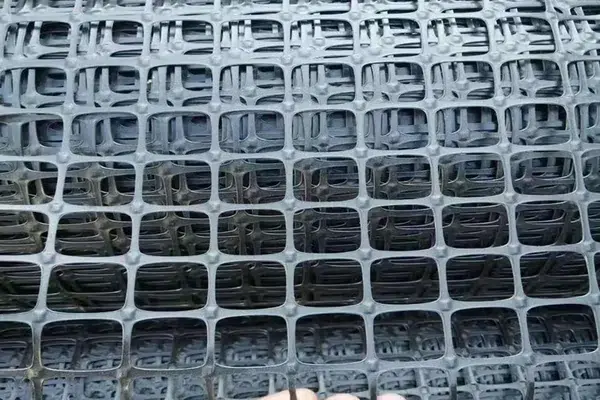
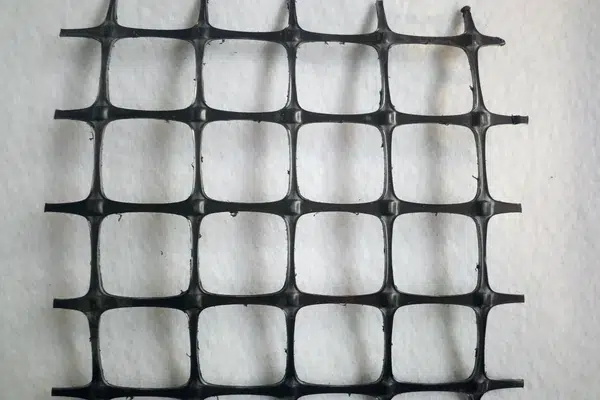
The comparison should cover grid type, aperture geometry, tensile properties in relevant directions, junction behavior, roll size, aggregate interaction, documented test method, and fit with the approved section.
ASTM D6637 is a tensile test method for geogrids. A listed tensile property can support a product comparison, but it does not independently determine the required road-base design. Long-term conditions, aggregate interaction, installation damage, and project design still matter. [3]
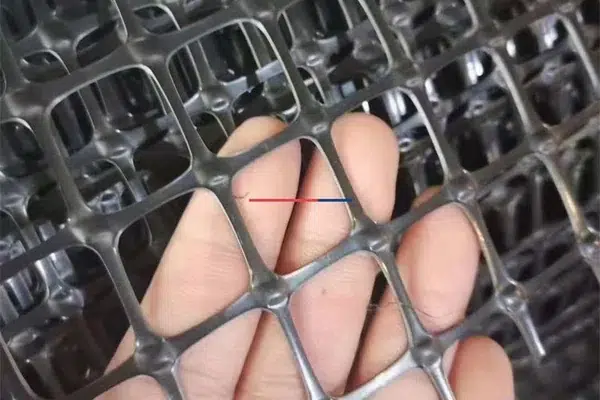
A visual comparison of two rolls is weak evidence. The aperture must work with the selected aggregate, and the roll width should suit the lane or working width so the crew does not create unnecessary longitudinal joints.
Expert Insight: The cheapest grid per square meter is often not the cheapest installed option. A poorly matched aperture, narrow roll, missing separation layer, or inaccessible delivery format can increase aggregate waste, overlap, trimming, and site delay.
How Does Installation Affect Rutting Control?
Installation affects whether the aggregate layer can develop the intended interaction with the grid. The formation, grid tension and alignment, aggregate placement, cover thickness, and traffic control all need attention.
Prepare the formation as specified, remove damaging protrusions, unroll the grid flat, use the required overlap or connection detail, and place aggregate without dragging heavy loads across uncovered material. The initial lift should protect the grid before routine construction traffic crosses the area.
FHWA distinguishes geogrid reinforcement from geotextile separation and drainage roles. Where separation is required, it should be detailed rather than assumed from the presence of a grid. [2]
Field Note: In RFQ reviews, a common missing detail is the planned roll direction. A good roll width can reduce joints, but only if the layout matches the road geometry, shoulder detail, and equipment route.
What Documents and QC Checks Reduce Sourcing Risk?
Buyers should check the data sheet, stated test methods, roll dimensions, labels, batch traceability, packaging, sample, and project-required documents before bulk production and delivery.
Ask for the product configuration and coverage calculation, not only a nominal square-meter quantity. The calculation should account for the project layout, overlaps, edges, and practical waste where the design requires them.
QC Check: Compare the drawing, specified grid direction, roll width and length, expected coverage, aggregate sequence, installation notes, labels, packing, and destination-port requirements before confirming the purchase order.
What Should a Pavement Geogrid RFQ Include?
A complete RFQ includes the pavement section, subgrade and water condition, aggregate type, base thickness, traffic use, grid function, roll size, area, destination, packing, schedule, and required test or approval documents.
State whether the request is for a construction platform, unpaved access road, asphalt pavement base, parking area, or another section. This changes the useful questions about load, drainage, aggregate, and the interface between layers.
Buyers can compare pavement geogrid options, review road and civil applications, and submit the section through the pavement geogrid RFQ form before order release.
FAQs
Can geogrid replace the required base thickness?
No. Geogrid can be part of a designed pavement system, but it does not remove the need for the specified aggregate, subgrade preparation, drainage, and construction controls.
Does every pavement need a separation geotextile?
No. The need depends on subgrade fines, moisture, aggregate, drainage, and the approved section. A grid and geotextile can have different functions.
What should be sent for a quotation?
Send the pavement section, subgrade, water condition, aggregate, traffic category, area, roll preference, destination, packing requirement, and project-required documents.
Conclusion
Pavement geogrid works best as part of a designed aggregate system. Confirm subgrade, water, aggregate, grid function, roll layout, installation sequence, and documents before comparing a roll price.