Geogrid

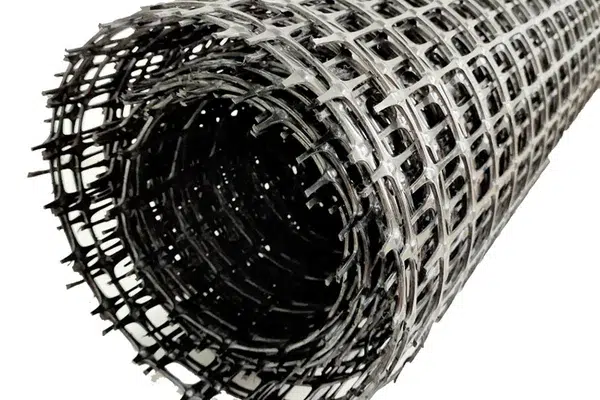
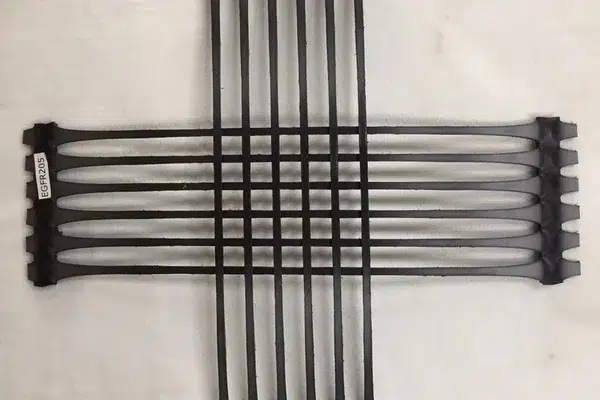
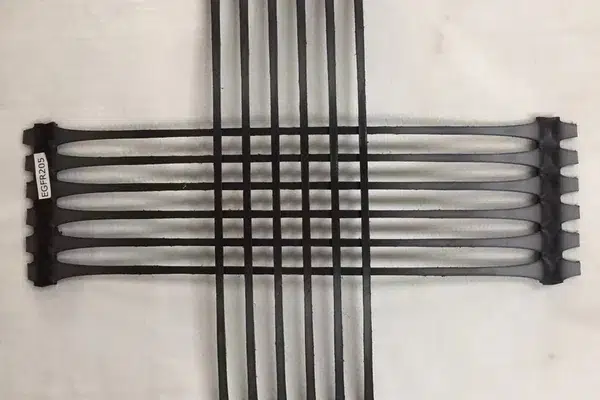
Uniaxial geogrid roll for reinforcement direction and soil support review

Geogrid Reinforcement: How It Improves Soil and Aggregate Performance

Geogrid reinforcement can improve a soil or aggregate layer, but a roll with a high tensile value cannot compensate for the wrong direction, poor subgrade preparation, unsuitable aggregate, or an unplanned placement sequence. Geogrid reinforcement can improve load distribution, aggregate interaction, or soil support when the grid type, tensile direction, aperture structure, subgrade, aggregate, and […]

Geogrid Reinforcement: How It Improves Soil and Aggregate Performance Read More »

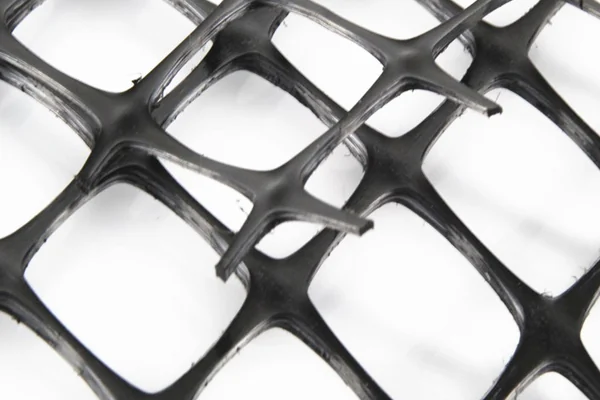
Open geogrid apertures used to review aggregate interlock and road-base stabilization

Triaxial Geogrid: When It Helps Road Base and Pavement Stabilization

Road base problems are often blamed on the visible surface, while the real decision was made earlier in the subgrade, aggregate, and reinforcement layer. Triaxial geogrid can be useful for road base and pavement stabilization when its aperture structure, aggregate, subgrade condition, construction traffic, and layer design work together. It is not a universal replacement

Triaxial Geogrid: When It Helps Road Base and Pavement Stabilization Read More »

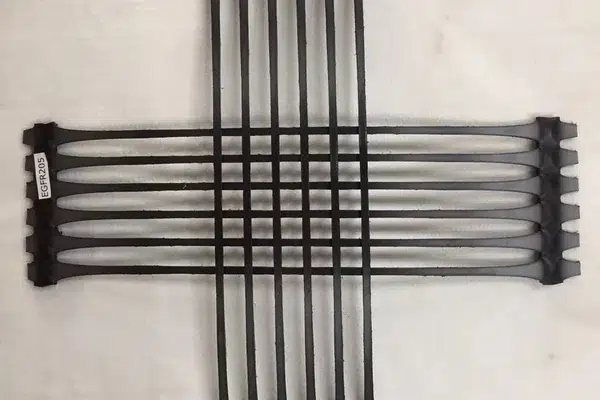
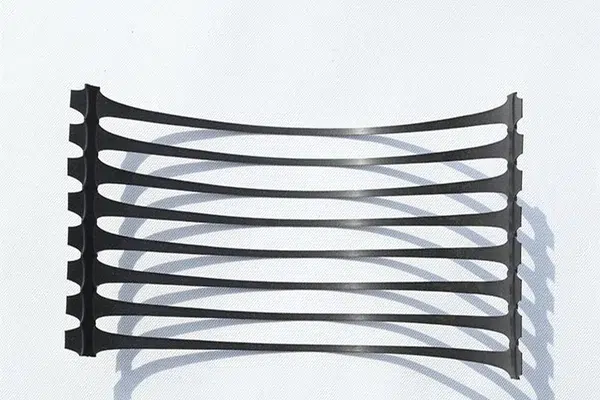
Uniaxial geogrid roll used for reviewing tensile direction and reinforcement layout

Geogrid Overlap: How Much Is Needed for Roads, Slopes, and Retaining Walls?

Using a familiar overlap value without the drawing, product type, and placement method can make a geogrid installation look complete while missing its intended function. There is no universal geogrid overlap for roads, slopes, and retaining walls. The required detail depends on the product, tensile direction, aggregate or soil interface, load, geometry, construction sequence, and

Geogrid Overlap: How Much Is Needed for Roads, Slopes, and Retaining Walls? Read More »

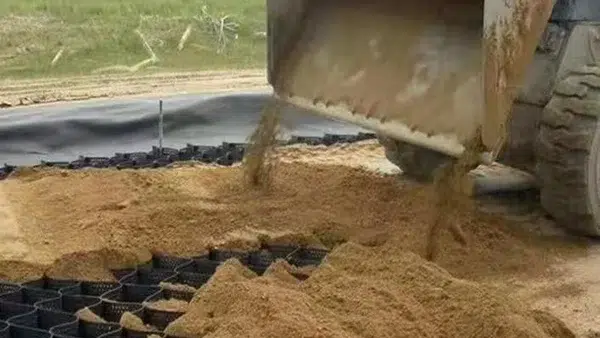
Expanded HDPE geocell showing cellular confinement for road base stabilization

Geocell vs Geogrid: Which Works Better for Road Base Stabilization?

Road base selection needs more than a product name. Geocell provides cellular confinement while geogrid supports aggregate interlock; project conditions decide which is suitable. Compare the drawing, material function, test basis, dimensions, packaging, delivery scope, and acceptance documents before purchase. A complete technical review should also identify the subgrade or supporting layer, water conditions, expected

Geocell vs Geogrid: Which Works Better for Road Base Stabilization? Read More »

Uniaxial geogrid roll used for retaining wall and slope soil reinforcement

Uniaxial Geogrid: Best Uses for Retaining Walls and Soil Reinforcement

A retaining wall can be under-reinforced when a grid is selected by mesh appearance or peak strength instead of its working tensile direction. Uniaxial geogrid is designed to carry tensile load mainly in one direction. It is widely used for retaining walls, reinforced soil slopes, embankments, and other applications where reinforcement extends away from a

Uniaxial Geogrid: Best Uses for Retaining Walls and Soil Reinforcement Read More »

Biaxial geogrid roll used for driveway base stabilization and aggregate interlock

Geogrid Driveway Installation: Base Depth, Fabric Use, and Compaction Tips

A driveway can rut before the surface is finished when aggregate, geogrid, fabric, and compaction are treated as separate decisions. Geogrid driveway installation works best when a suitable biaxial grid is laid on a prepared subgrade, aggregate is placed without damaging the grid, and base depth and compaction match the expected traffic. Geotextile fabric may

Geogrid Driveway Installation: Base Depth, Fabric Use, and Compaction Tips Read More »

Uniaxial plastic geogrid material used for retaining wall and slope soil reinforcement

Geogrid Material Guide: PP, PET, Fiberglass, and Steel-Plastic Options

Geogrid material is often compared by appearance, but the material decides creep, elongation, coating, and project fit. Geogrid material may be PP, HDPE, PET, fiberglass, basalt, or steel-plastic composite. Buyers should choose by tensile direction, elongation, long-term design strength, creep behavior, coating, aperture stability, installation damage risk, and application, not only by price per roll.

Geogrid Material Guide: PP, PET, Fiberglass, and Steel-Plastic Options Read More »

Retaining wall geogrid roll used to plan reinforcement length and tensile direction

Retaining Wall Geogrid Length: Avoid Short Embedment Before Backfill

A retaining wall can look finished while the hidden geogrid is too short to do its job. Retaining wall geogrid should extend far enough behind the wall to create a stable reinforced soil mass. The required length depends on wall height, surcharge, soil type, slope, drainage, facing system, long-term design strength, and pullout resistance. Do

Retaining Wall Geogrid Length: Avoid Short Embedment Before Backfill Read More »

Polyester geogrid roll sample for asphalt reinforcement and soil stabilization

Polyester Geogrid: When to Use It for Asphalt Reinforcement and Soil Stabilization

Polyester geogrid is useful when tensile performance must stay reliable over time. When Should You Use Polyester Geogrid? Use polyester geogrid when the project needs high tensile strength, controlled elongation, and long-term reinforcement performance, especially in asphalt reinforcement, soil stabilization, embankments, and some retaining structures. The right choice depends on tensile direction, coating, creep behavior,

Polyester Geogrid: When to Use It for Asphalt Reinforcement and Soil Stabilization Read More »

Uniaxial geogrid roll used for retaining wall soil reinforcement

5 Costly Geogrid Retaining Wall Placement & Overlap Mistakes to Avoid

A retaining wall geogrid works only when the strength direction, embedment length, and placement match the wall design. Where Geogrid Should Sit in a Retaining Wall Geogrid is usually placed in horizontal layers between compacted soil lifts, extending back from the wall face into the reinforced soil zone. The exact elevation, length, spacing, and strength

5 Costly Geogrid Retaining Wall Placement & Overlap Mistakes to Avoid Read More »

en_USEnglish

Get Free Quote!