Landfill

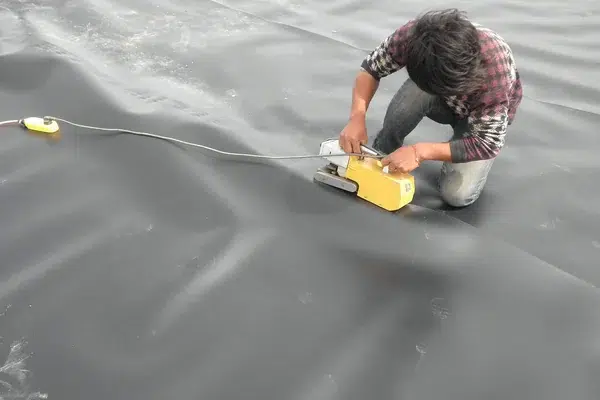
Technician using geomembrane welding equipment on an HDPE liner panel

Geomembrane Welding: Seam Testing, Field Conditions, and Quality Checks

A geomembrane liner can look complete and still fail acceptance when seam work is treated as a last-minute installation detail instead of a controlled process. Geomembrane welding quality depends on compatible material, clean panel edges, a workable weather window, calibrated equipment, trial seams, and documented testing. Contractors should confirm the seam plan before liner delivery, […]

Geomembrane Welding: Seam Testing, Field Conditions, and Quality Checks Read More »

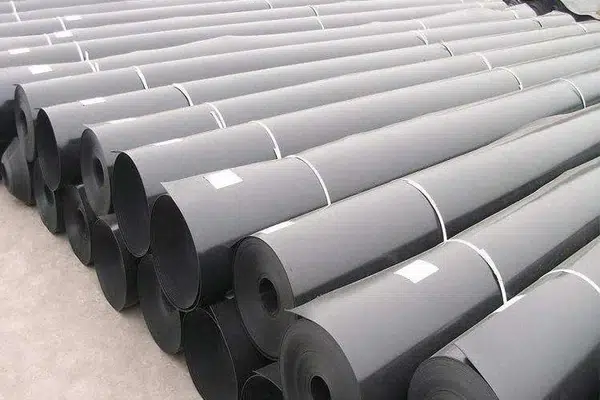
HDPE geomembrane liner material used for landfill containment planning

HDPE Liner for Landfills: Thickness, Texturing, and Protection Layers

A landfill liner is easy to reduce to a thickness and price per square metre, but the real risk sits in the complete containment section: subgrade, surface texture, protection layers, seams, drainage, and inspection access. HDPE liner is commonly selected for landfill containment when thickness, surface finish, puncture protection, seam procedure, chemical exposure, and project-specific

HDPE Liner for Landfills: Thickness, Texturing, and Protection Layers Read More »

HDPE geomembrane sheet used in a landfill liner system material guide

Landfill Liner Material Guide: HDPE Geomembrane, GCL, and Geotextile Layers

A landfill liner is a layered containment system, so choosing one material by price alone can leave critical interfaces unprotected. A landfill liner commonly combines an HDPE geomembrane barrier with geotextile protection, drainage, and sometimes a geosynthetic clay liner (GCL). The correct layer sequence depends on the design, waste and leachate conditions, subgrade, slopes, loads,

Landfill Liner Material Guide: HDPE Geomembrane, GCL, and Geotextile Layers Read More »

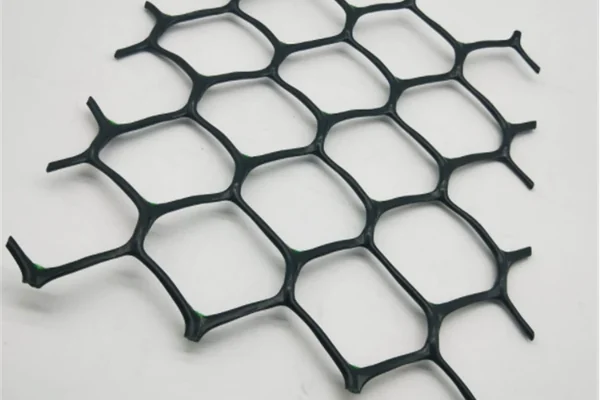
Drainage geocomposite roll with geonet core for landfill wall and road drainage

Drainage Geocomposite: When It Replaces Gravel Drainage Layers

Replacing a gravel drainage layer with a thinner geocomposite can save space and hauling, but only if flow capacity remains adequate under load. Drainage geocomposite can replace or supplement gravel drainage layers when its geonet core, filter geotextile, transmissivity under load, hydraulic gradient, chemical environment, installation protection, and outlet detail match the project. It is

Drainage Geocomposite: When It Replaces Gravel Drainage Layers Read More »

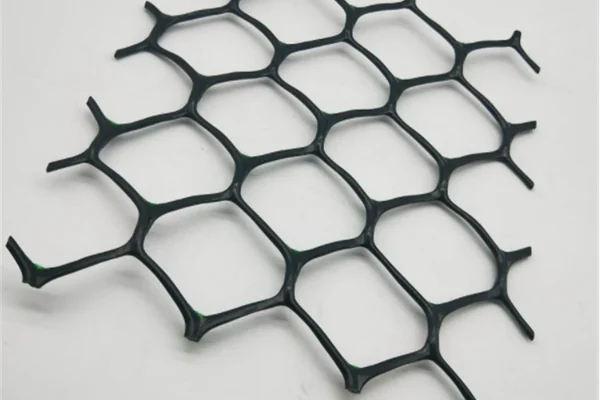
Geonet drainage roll used to create a high flow drainage path in civil engineering systems

Geonet Drainage Layer: Applications in Landfills, Retaining Walls, and Roads

A drainage layer can look open in a sample yet lose flow capacity after compression, installation damage, or clogging is ignored. A geonet drainage layer creates an in-plane flow path beside or beneath soil, liner, or cover layers. It is used in landfill, retaining wall, road, and drainage geocomposite systems when transmissivity, compressive resistance, gradient,

Geonet Drainage Layer: Applications in Landfills, Retaining Walls, and Roads Read More »

Textured HDPE geomembrane surface used to improve interface friction on slopes and landfill liner systems

Textured Geomembrane vs Smooth Geomembrane: Avoid Wrong Liner Specs

Smooth and textured geomembranes can look like a small surface choice, but that choice can change slope safety and installed cost. Textured geomembrane is usually selected where interface friction matters, such as slopes, landfill sidewalls, and lined containment areas with cover soil. Smooth geomembrane is often easier to weld, handle, and inspect on flat or

Textured Geomembrane vs Smooth Geomembrane: Avoid Wrong Liner Specs Read More »

en_USEnglish

Get Free Quote!