Soil Reinforcement

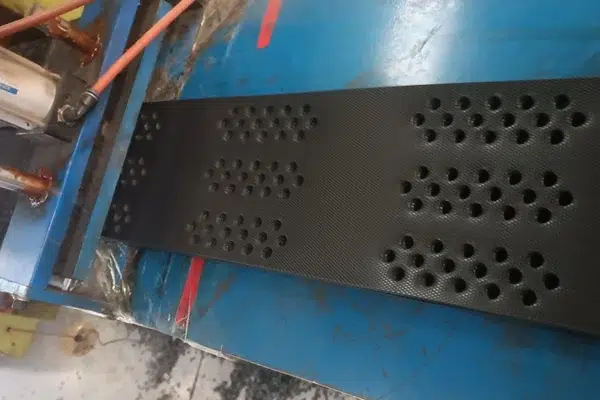
Expanded HDPE geocell panel used for aggregate confinement and subgrade support

Geocell Panels: Size, Cell Depth, and Connection Details for Projects

A geocell panel can arrive with the requested depth and still create delay when the connection pattern, expanded size, infill, anchoring, and site layout were not confirmed before shipment. Geocell panels should be selected by application, cell depth, expanded panel size, weld spacing, material type, perforation, connection detail, infill, subgrade condition, load, and installation layout. […]

Geocell Panels: Size, Cell Depth, and Connection Details for Projects Read More »

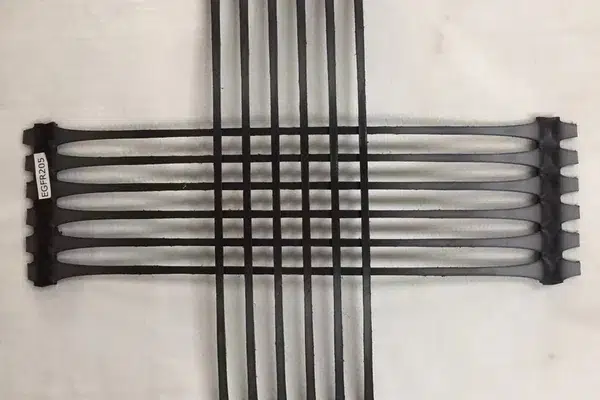
Uniaxial geogrid roll for retaining-wall reinforcement direction review

Geogrid Fabric for Retaining Walls: Selection and Installation Checklist

A retaining-wall grid can look correctly placed while doing little useful work if its tensile direction, length, backfill, connection detail, drainage, or construction sequence does not match the approved wall design. Geogrid fabric for retaining walls should be selected by the approved reinforcement design, required direction, long-term design strength, length, backfill, facing connection, drainage, and

Geogrid Fabric for Retaining Walls: Selection and Installation Checklist Read More »

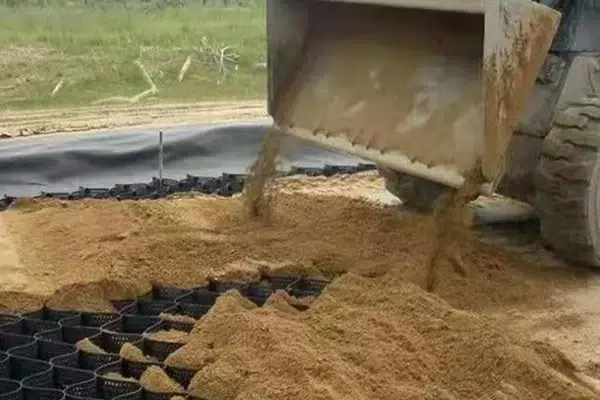
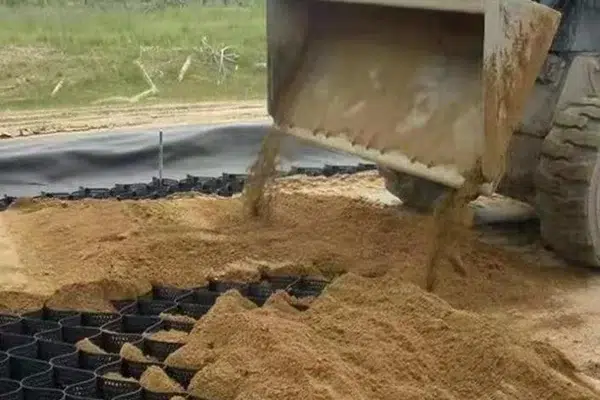
Expanded HDPE geocell used for soil stabilization and aggregate confinement planning

Geocell for Soil Stabilization: Uses and Selection Criteria

A geocell panel can improve soil support and aggregate confinement, but it cannot correct an undefined base section, weak saturated formation, or an installation method that lets the cells distort before infill is placed. Geocell can support soil stabilization when cell depth, weld pattern, infill, subgrade condition, drainage, anchoring, and construction traffic match the project.

Geocell for Soil Stabilization: Uses and Selection Criteria Read More »

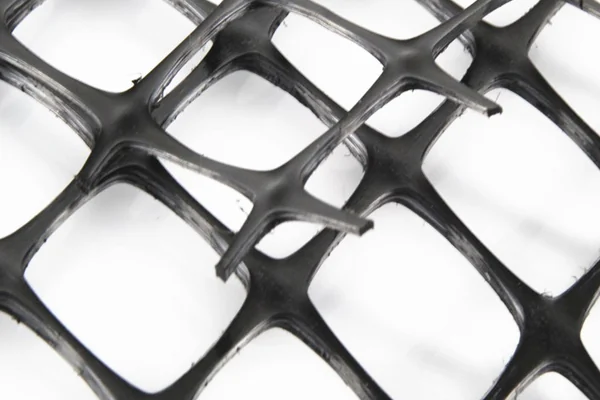
Uniaxial geogrid roll for reinforcement direction and soil support review

Geogrid Reinforcement: How It Improves Soil and Aggregate Performance

Geogrid reinforcement can improve a soil or aggregate layer, but a roll with a high tensile value cannot compensate for the wrong direction, poor subgrade preparation, unsuitable aggregate, or an unplanned placement sequence. Geogrid reinforcement can improve load distribution, aggregate interaction, or soil support when the grid type, tensile direction, aperture structure, subgrade, aggregate, and

Geogrid Reinforcement: How It Improves Soil and Aggregate Performance Read More »

Expanded cellular confinement panel used for slope and retaining-face planning

Geocell Retaining Wall: When Cellular Confinement Is a Better Fit

A cellular confinement panel can improve a facing or slope detail, but it should not be treated as a substitute for a retaining-wall design when soil loads, drainage, geometry, and global stability have not been addressed. Geocell can be a useful retaining-wall or reinforced-slope facing option when cell depth, anchoring, infill, slope angle, drainage, and

Geocell Retaining Wall: When Cellular Confinement Is a Better Fit Read More »

Open geogrid apertures used to review aggregate interlock and road-base stabilization

Triaxial Geogrid: When It Helps Road Base and Pavement Stabilization

Road base problems are often blamed on the visible surface, while the real decision was made earlier in the subgrade, aggregate, and reinforcement layer. Triaxial geogrid can be useful for road base and pavement stabilization when its aperture structure, aggregate, subgrade condition, construction traffic, and layer design work together. It is not a universal replacement

Triaxial Geogrid: When It Helps Road Base and Pavement Stabilization Read More »

Uniaxial geogrid roll used for reviewing tensile direction and reinforcement layout

Geogrid Overlap: How Much Is Needed for Roads, Slopes, and Retaining Walls?

Using a familiar overlap value without the drawing, product type, and placement method can make a geogrid installation look complete while missing its intended function. There is no universal geogrid overlap for roads, slopes, and retaining walls. The required detail depends on the product, tensile direction, aggregate or soil interface, load, geometry, construction sequence, and

Geogrid Overlap: How Much Is Needed for Roads, Slopes, and Retaining Walls? Read More »

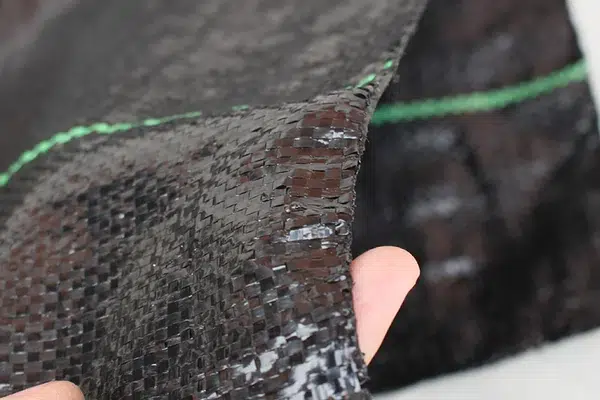
woven nonwoven woven for civil engineering material selection

Woven vs Non Woven Geotextile: Drainage, Separation, and Reinforcement Differences

Woven and non woven geotextiles can look similar in a quotation, but they answer different drainage, separation, reinforcement, and protection questions. Choose woven versus non woven geotextile by the needed function and site interface: woven products are often evaluated for tensile reinforcement and separation, while nonwoven products are commonly considered for filtration, drainage, cushioning, and

Woven vs Non Woven Geotextile: Drainage, Separation, and Reinforcement Differences Read More »

Uniaxial geogrid roll used for retaining wall and slope soil reinforcement

Uniaxial Geogrid: Best Uses for Retaining Walls and Soil Reinforcement

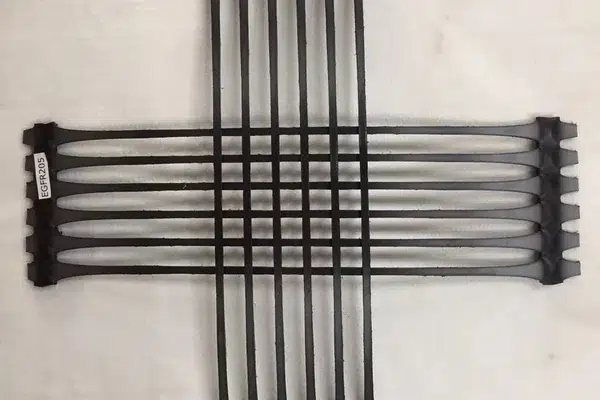
A retaining wall can be under-reinforced when a grid is selected by mesh appearance or peak strength instead of its working tensile direction. Uniaxial geogrid is designed to carry tensile load mainly in one direction. It is widely used for retaining walls, reinforced soil slopes, embankments, and other applications where reinforcement extends away from a

Uniaxial Geogrid: Best Uses for Retaining Walls and Soil Reinforcement Read More »

Retaining wall geogrid roll used to plan reinforcement length and tensile direction

Retaining Wall Geogrid Length: Avoid Short Embedment Before Backfill

A retaining wall can look finished while the hidden geogrid is too short to do its job. Retaining wall geogrid should extend far enough behind the wall to create a stable reinforced soil mass. The required length depends on wall height, surcharge, soil type, slope, drainage, facing system, long-term design strength, and pullout resistance. Do

Retaining Wall Geogrid Length: Avoid Short Embedment Before Backfill Read More »

en_USEnglish

Get Free Quote!