Geomembrane

HDPE geomembrane roll for panel layout and installation planning

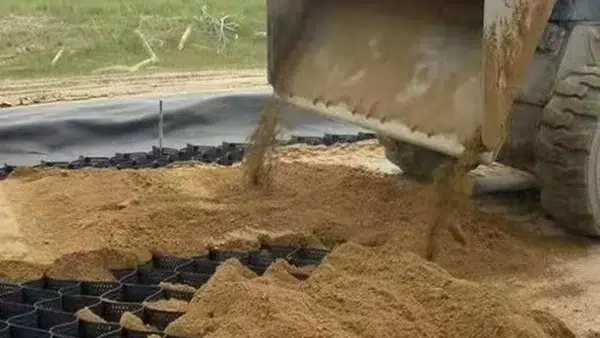
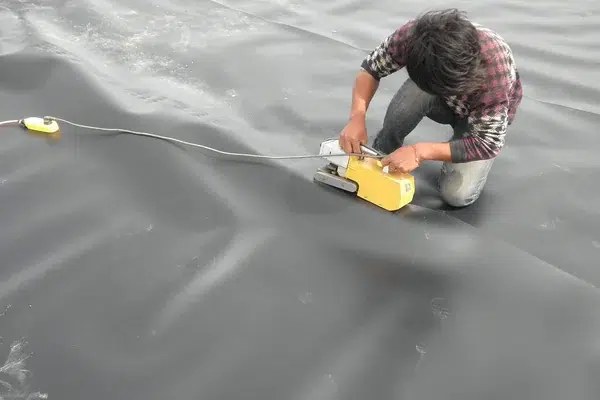
HDPE Geomembrane Installation: Subgrade, Welding, Seams, and Inspection

Liner performance depends on preparation and installation control. HDPE geomembrane installation requires prepared subgrade, panel layout, controlled welding, testing, repairs, and documentation. Compare the drawing, material function, test basis, dimensions, packaging, delivery scope, and acceptance documents before purchase. A complete technical review should also identify the subgrade or supporting layer, water conditions, expected loads, slopes, […]

HDPE Geomembrane Installation: Subgrade, Welding, Seams, and Inspection Read More »

a for civil engineering material selection

HDPE Geomembrane Installation: Subgrade, Welding, Seams, and Inspection

Liner performance depends on preparation and installation control. HDPE geomembrane installation requires prepared subgrade, panel layout, controlled welding, testing, repairs, and documentation. Compare the drawing, material function, test basis, dimensions, packaging, delivery scope, and acceptance documents before purchase. A complete technical review should also identify the subgrade or supporting layer, water conditions, expected loads, slopes,

HDPE Geomembrane Installation: Subgrade, Welding, Seams, and Inspection Read More »

mining liner smooth for civil engineering material selection

Geomembrane for Mining Projects: Heap Leach Pads, Ponds, and Tailings Areas

Mining containment liners face demanding site conditions, so selecting an HDPE sheet by thickness alone can leave seam, protection, and slope risks unresolved. Mining geomembrane is commonly used in heap leach pads, process ponds, and tailings containment, but the required liner system depends on chemistry, temperature, hydrostatic pressure, subgrade, slope friction, puncture risk, seam layout,

Geomembrane for Mining Projects: Heap Leach Pads, Ponds, and Tailings Areas Read More »

HDPE geomembrane sheet used in a landfill liner system material guide

Landfill Liner Material Guide: HDPE Geomembrane, GCL, and Geotextile Layers

A landfill liner is a layered containment system, so choosing one material by price alone can leave critical interfaces unprotected. A landfill liner commonly combines an HDPE geomembrane barrier with geotextile protection, drainage, and sometimes a geosynthetic clay liner (GCL). The correct layer sequence depends on the design, waste and leachate conditions, subgrade, slopes, loads,

Landfill Liner Material Guide: HDPE Geomembrane, GCL, and Geotextile Layers Read More »

HDPE pond liner roll used for pond and reservoir waterproof containment

HDPE Pond Liner: Thickness, Underlay, Welding, and Leak Prevention

A pond liner can fail long before filling if thickness, underlay, seam work, and site handling are selected as separate purchases. An HDPE pond liner should be selected by pond purpose, water depth, subgrade, stone and root risk, slope, required service life, panel layout, underlay, and welding plan. Thickness is important, but puncture protection and

HDPE Pond Liner: Thickness, Underlay, Welding, and Leak Prevention Read More »

Textured HDPE geomembrane surface used to improve interface friction on slopes and landfill liner systems

Textured Geomembrane vs Smooth Geomembrane: Avoid Wrong Liner Specs

Smooth and textured geomembranes can look like a small surface choice, but that choice can change slope safety and installed cost. Textured geomembrane is usually selected where interface friction matters, such as slopes, landfill sidewalls, and lined containment areas with cover soil. Smooth geomembrane is often easier to weld, handle, and inspect on flat or

Textured Geomembrane vs Smooth Geomembrane: Avoid Wrong Liner Specs Read More »

Geotextile and geomembrane layer comparison for containment drainage and protection functions

Geotextile and Geomembrane: Avoid Using the Wrong Layer

Many liner systems fail on paper before installation because geotextile and geomembrane are treated as the same layer. Geotextile and geomembrane are different geosynthetics: geomembrane provides containment, while geotextile usually provides filtration, drainage, separation, reinforcement support, or liner protection. The right choice depends on water control, soil movement, puncture risk, and project acceptance requirements. The

Geotextile and Geomembrane: Avoid Using the Wrong Layer Read More »

HDPE geomembrane roll for comparing liner thickness in ponds landfills and mining projects

HDPE Geomembrane Thickness Guide for Ponds, Landfills, and Mining Projects

Choosing HDPE geomembrane thickness by price alone is one of the fastest ways to create liner risk. HDPE geomembrane thickness should be selected by application, subgrade condition, hydrostatic pressure, puncture risk, chemical exposure, slope design, and inspection requirements. Ponds may use lighter liners, while landfills and mining projects usually need thicker, better-protected geomembrane systems. The

HDPE Geomembrane Thickness Guide for Ponds, Landfills, and Mining Projects Read More »

Geomembrane welding installation work affecting liner project cost

Geomembrane Installation Cost: Welding, Subgrade, Thickness, and Project Size Factors

Geomembrane installation cost is rarely just a welding price per square meter. Geomembrane installation cost depends on liner thickness, welding length, subgrade preparation, protection layers, roll size, site access, weather, seam testing, repair work, and project scale. A low material price can still become expensive if the site is difficult to prepare or weld. Buyers

Geomembrane Installation Cost: Welding, Subgrade, Thickness, and Project Size Factors Read More »

en_USEnglish

Get Free Quote!