Geomembrane

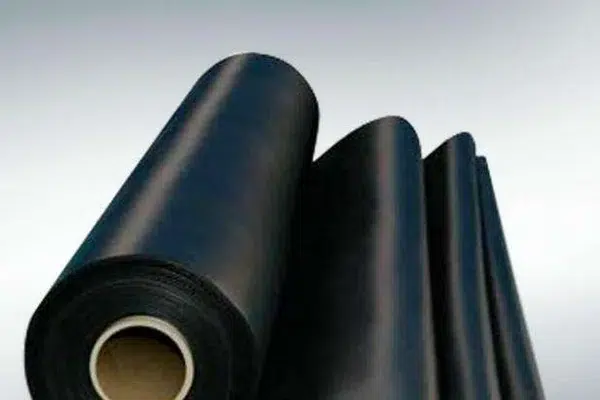
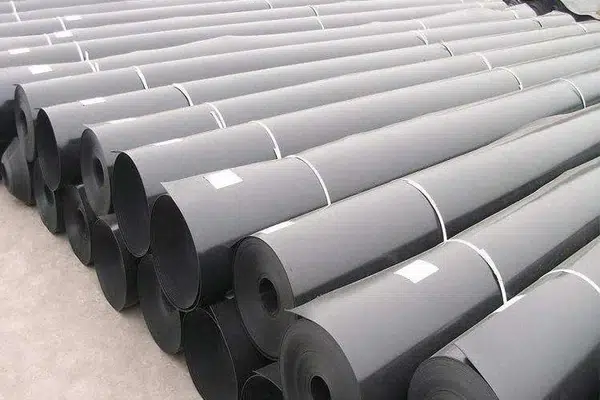
Smooth HDPE geomembrane material for liner surface comparison

Smooth vs Textured Geomembrane: Differences, Cost, and Applications

A surface choice that looks minor on a quotation can affect slope stability, roll handling, seam planning, and the total installed liner cost. Smooth geomembrane is often considered for flat containment areas and interfaces where high friction is not required, while textured geomembrane is commonly reviewed for slopes or interfaces where friction affects the approved […]

Smooth vs Textured Geomembrane: Differences, Cost, and Applications Read More »

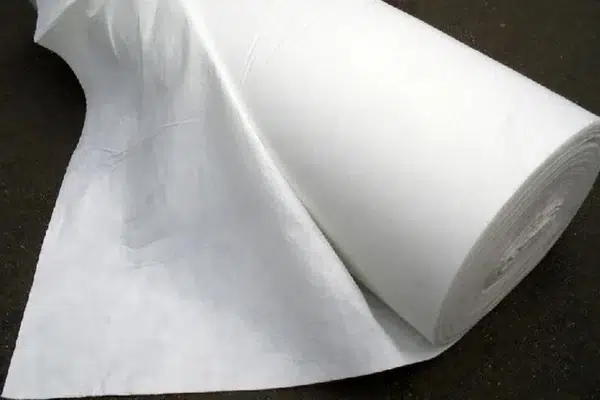
Nonwoven geotextile protection layer for geomembrane underlay selection

Geomembrane Underlay: Why Geotextile Protection Layers Matter

A liner can be specified correctly and still be damaged before service when sharp subgrade, aggregate, wrinkles, or cover placement are not controlled with a suitable protection layer. A geomembrane underlay is commonly a nonwoven geotextile protection layer selected to help reduce puncture and abrasion risk between a liner and subgrade or adjacent materials. The

Geomembrane Underlay: Why Geotextile Protection Layers Matter Read More »

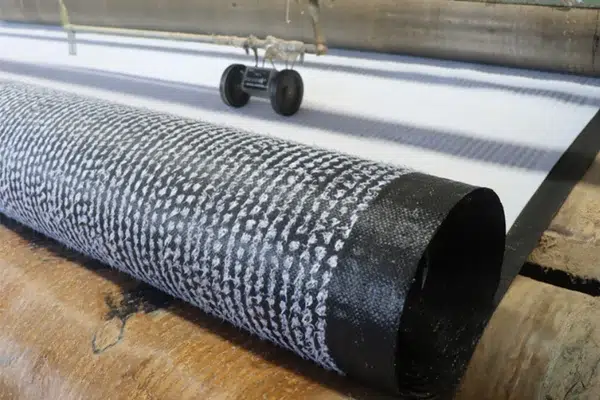
Geosynthetic clay liner roll for barrier layer selection in containment projects

Geosynthetic Clay Liner vs HDPE Geomembrane: When Each Layer Is Used

Choosing GCL or HDPE only by material price can leave a containment system with the wrong barrier role, poor seam planning, vulnerable overlaps, or a layer stack that does not match the approved design. Geosynthetic clay liner and HDPE geomembrane are different barrier components, not direct substitutes in every project. GCL is commonly considered for

Geosynthetic Clay Liner vs HDPE Geomembrane: When Each Layer Is Used Read More »

Textured HDPE geomembrane for slope and landfill interface friction review

Textured Geomembrane: When to Use It on Slopes and Landfills

A smooth liner can become a costly slope decision when interface friction, cover soil, drainage, and construction traffic were never checked before the material was ordered. Textured geomembrane is usually considered when a liner must work on a slope or against another material where interface friction affects stability. The final selection still depends on slope

Textured Geomembrane: When to Use It on Slopes and Landfills Read More »

Smooth HDPE geomembrane material for chemical-containment selection

HDPE Geomembrane Chemical Resistance: What Buyers Should Check

A liner can have a familiar HDPE label and still be a poor chemical-containment choice if the liquid, concentration, temperature, exposure time, seam condition, and project design were never reviewed together. HDPE geomembrane may be considered for chemical containment when the specific liquid, concentration, temperature, exposure duration, liner thickness, seam plan, and containment design are

HDPE Geomembrane Chemical Resistance: What Buyers Should Check Read More »

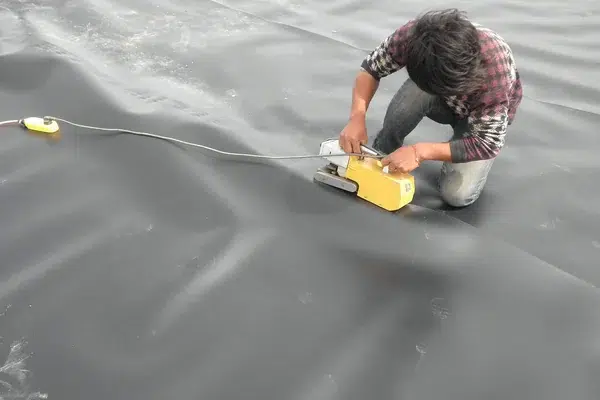
Technician using geomembrane welding equipment on an HDPE liner panel

Geomembrane Welding: Seam Testing, Field Conditions, and Quality Checks

A geomembrane liner can look complete and still fail acceptance when seam work is treated as a last-minute installation detail instead of a controlled process. Geomembrane welding quality depends on compatible material, clean panel edges, a workable weather window, calibrated equipment, trial seams, and documented testing. Contractors should confirm the seam plan before liner delivery,

Geomembrane Welding: Seam Testing, Field Conditions, and Quality Checks Read More »

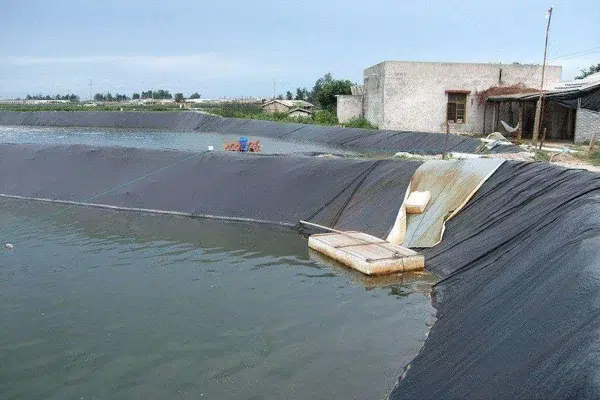
Smooth HDPE geomembrane for pond liner thickness and seam-planning review

Pond Liner Thickness: How to Choose HDPE Geomembrane for Farm and Industrial Ponds

The wrong pond liner thickness can create puncture, handling, seam, and repair risk before the pond reaches normal service, especially when the subgrade and protection layers were not reviewed with the liner. HDPE pond liner thickness should be selected with the pond use, subgrade condition, water level, slope geometry, puncture exposure, surface type, protection layer,

Pond Liner Thickness: How to Choose HDPE Geomembrane for Farm and Industrial Ponds Read More »

HDPE geomembrane liner material used for landfill containment planning

HDPE Liner for Landfills: Thickness, Texturing, and Protection Layers

A landfill liner is easy to reduce to a thickness and price per square metre, but the real risk sits in the complete containment section: subgrade, surface texture, protection layers, seams, drainage, and inspection access. HDPE liner is commonly selected for landfill containment when thickness, surface finish, puncture protection, seam procedure, chemical exposure, and project-specific

HDPE Liner for Landfills: Thickness, Texturing, and Protection Layers Read More »

Smooth HDPE geomembrane used for pond liner thickness and installation planning

Pond Geomembrane: Thickness, Installation, and Mistakes to Avoid

Choosing pond liner thickness by price alone can create puncture, seam, and repair risk before the pond enters normal service. A pond geomembrane should be selected when liner thickness, subgrade condition, water load, slope interface, protection layer, and seam-control plan match the project. Buyers should compare the whole liner system before ordering, because a lower

Pond Geomembrane: Thickness, Installation, and Mistakes to Avoid Read More »

Smooth HDPE geomembrane used for wastewater pond containment

Geomembrane for Wastewater Ponds: Thickness, Welding, and Chemical Resistance

Wastewater pond containment needs a complete liner system. Wastewater pond geomembrane selection depends on chemistry, subgrade, seams, protection, slopes, and installation control. Compare the drawing, material function, test basis, dimensions, packaging, delivery scope, and acceptance documents before purchase. A complete technical review should also identify the subgrade or supporting layer, water conditions, expected loads, slopes,

Geomembrane for Wastewater Ponds: Thickness, Welding, and Chemical Resistance Read More »

en_USEnglish

Get Free Quote!