Geotextile

Nonwoven geotextile fabric for drainage and filtration selection

Geotextile Drainage Fabric: How to Prevent Clogging and Poor Flow

Drainage fabric can lose flow capacity when the soil-filter relationship is ignored, fine particles enter the aggregate layer, or the fabric is damaged or folded before the drain is closed. Geotextile drainage fabric helps manage water and soil separation when apparent opening size, permittivity, puncture resistance, soil, aggregate, and installation conditions fit the drainage detail. […]

Geotextile Drainage Fabric: How to Prevent Clogging and Poor Flow Read More »

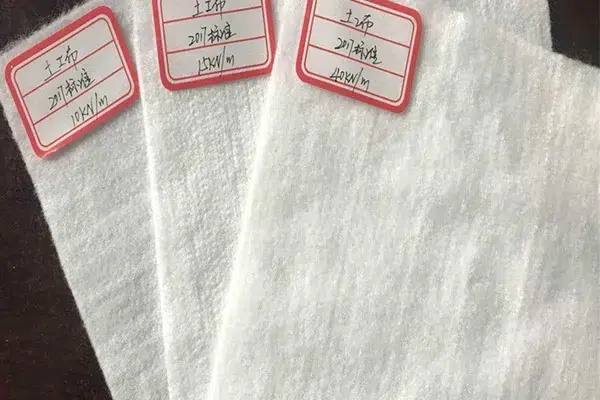
Nonwoven geotextile fabric for filtration and drainage layer selection

Geotextile Filter Fabric: Permeability, Opening Size, and Drainage Use

Geotextile filter fabric can support drainage and separation, but a fabric selected only by GSM can create clogging, soil migration, puncture damage, or a drainage layer that does not match the project water path. Geotextile filter fabric should be selected by soil condition, apparent opening size, permittivity, puncture exposure, drainage aggregate, and installation method. The

Geotextile Filter Fabric: Permeability, Opening Size, and Drainage Use Read More »

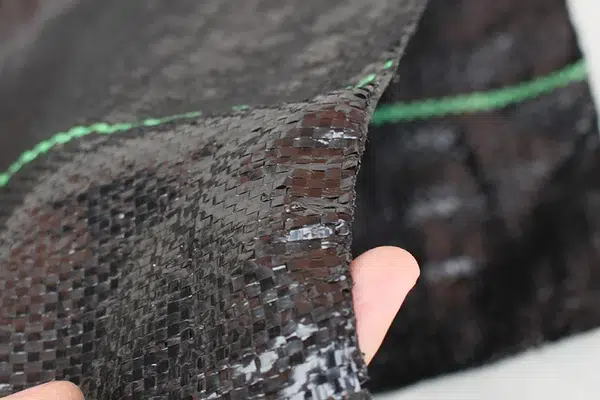
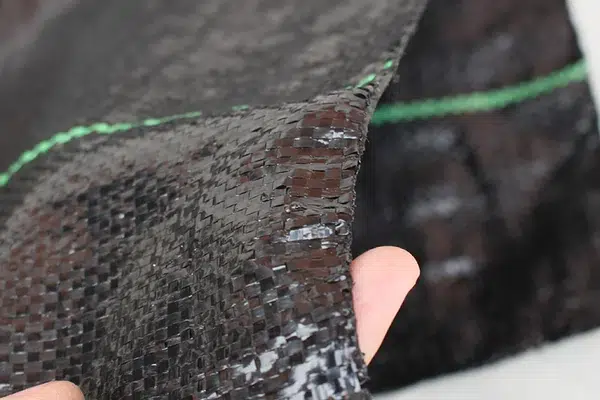
Woven polypropylene geotextile roll used for separation and stabilization planning

Woven Geotextile: Uses, Strength, and Differences from Nonwoven Fabric

Choosing woven geotextile by roll weight alone can leave a road, working platform, or separation layer with the wrong balance of strength, filtration, and installation durability. Woven geotextile is commonly considered when a project needs separation with relatively high tensile strength, controlled elongation, or support beneath aggregate. The correct fabric still depends on the soil,

Woven Geotextile: Uses, Strength, and Differences from Nonwoven Fabric Read More »

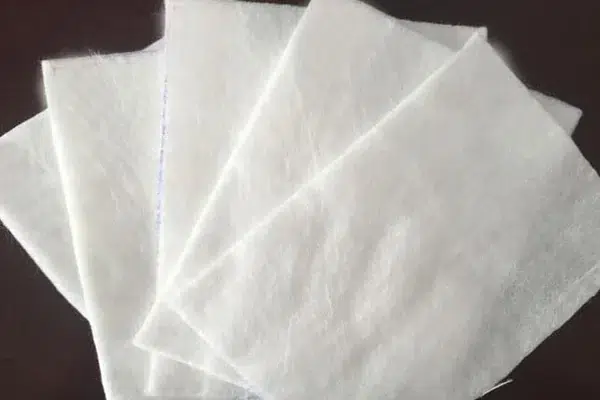
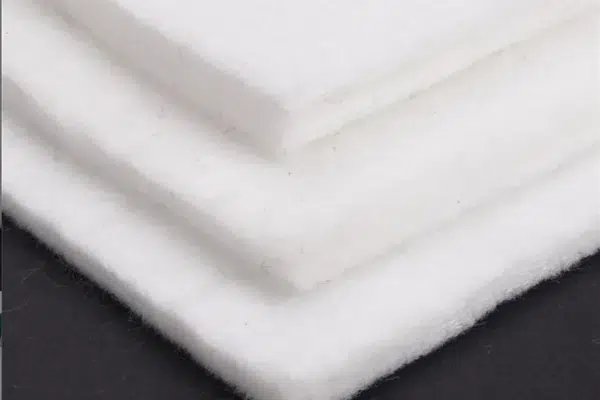
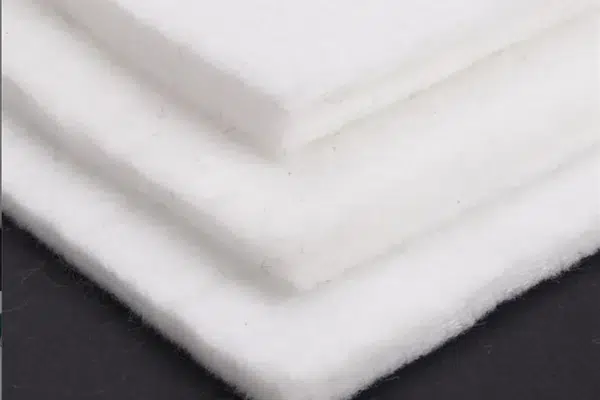
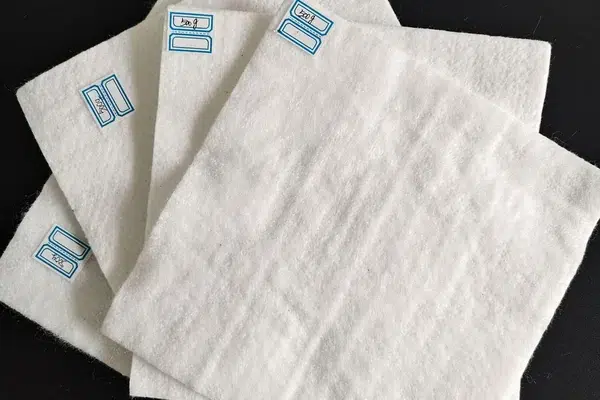
White nonwoven geotextile sheets used for drainage and filtration material selection

Non Woven Geotextile for Drainage: Weight, Permeability, and Installation

A drainage layer can clog, tear, or lose separation performance when nonwoven geotextile is selected only by GSM and not by the soil, aggregate, water path, and installation exposure. Non woven geotextile can support drainage, filtration, separation, and cushioning when its apparent opening size, permittivity, puncture resistance, thickness, and installation conditions fit the project. Weight

Non Woven Geotextile for Drainage: Weight, Permeability, and Installation Read More »

woven nonwoven woven for civil engineering material selection

Woven vs Non Woven Geotextile: Drainage, Separation, and Reinforcement Differences

Woven and non woven geotextiles can look similar in a quotation, but they answer different drainage, separation, reinforcement, and protection questions. Choose woven versus non woven geotextile by the needed function and site interface: woven products are often evaluated for tensile reinforcement and separation, while nonwoven products are commonly considered for filtration, drainage, cushioning, and

Woven vs Non Woven Geotextile: Drainage, Separation, and Reinforcement Differences Read More »

HDPE geomembrane sheet used in a landfill liner system material guide

Landfill Liner Material Guide: HDPE Geomembrane, GCL, and Geotextile Layers

A landfill liner is a layered containment system, so choosing one material by price alone can leave critical interfaces unprotected. A landfill liner commonly combines an HDPE geomembrane barrier with geotextile protection, drainage, and sometimes a geosynthetic clay liner (GCL). The correct layer sequence depends on the design, waste and leachate conditions, subgrade, slopes, loads,

Landfill Liner Material Guide: HDPE Geomembrane, GCL, and Geotextile Layers Read More »

Nonwoven geotextile fabric for drainage separation and civil construction

Geotextile vs Landscape Fabric: What Contractors Should Know Before Buying

A fabric may look similar on a roll, yet fail quickly when a landscaping material is substituted for an engineered separation or drainage layer. Geotextile and landscape fabric are not automatically interchangeable. Engineered geotextiles are selected by filtration, apparent opening size, permittivity, puncture resistance, tensile properties, and project exposure. Landscape fabric may suit light weed-control

Geotextile vs Landscape Fabric: What Contractors Should Know Before Buying Read More »

HDPE pond liner roll used for pond and reservoir waterproof containment

HDPE Pond Liner: Thickness, Underlay, Welding, and Leak Prevention

A pond liner can fail long before filling if thickness, underlay, seam work, and site handling are selected as separate purchases. An HDPE pond liner should be selected by pond purpose, water depth, subgrade, stone and root risk, slope, required service life, panel layout, underlay, and welding plan. Thickness is important, but puncture protection and

HDPE Pond Liner: Thickness, Underlay, Welding, and Leak Prevention Read More »

Nonwoven geotextile fabric roll used under gravel for soil separation and filtration

Geotextile Under Gravel: Fabric Type, Overlap, and Installation Mistakes

Gravel disappears into weak ground when the separation layer is ignored or the wrong fabric is placed below the base. Geotextile under gravel should be selected by subgrade strength, drainage need, aggregate sharpness, traffic, and installation method. Nonwoven fabric is commonly used for separation and filtration, while woven fabric may suit projects that also need

Geotextile Under Gravel: Fabric Type, Overlap, and Installation Mistakes Read More »

Geotextile and geomembrane layer comparison for containment drainage and protection functions

Geotextile and Geomembrane: Avoid Using the Wrong Layer

Many liner systems fail on paper before installation because geotextile and geomembrane are treated as the same layer. Geotextile and geomembrane are different geosynthetics: geomembrane provides containment, while geotextile usually provides filtration, drainage, separation, reinforcement support, or liner protection. The right choice depends on water control, soil movement, puncture risk, and project acceptance requirements. The

Geotextile and Geomembrane: Avoid Using the Wrong Layer Read More »

en_USEnglish

Get Free Quote!