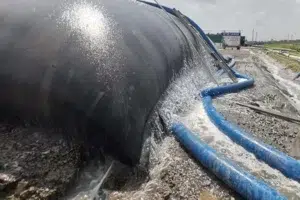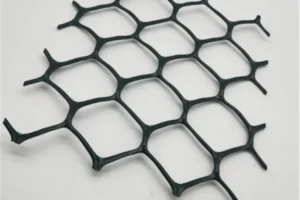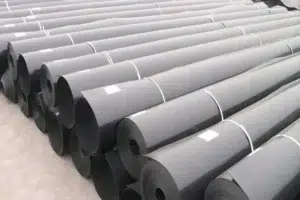
Geogrid reinforcement can improve a soil or aggregate layer, but a roll with a high tensile value cannot compensate for the wrong direction, poor subgrade preparation, unsuitable aggregate, or an unplanned placement sequence.
Geogrid reinforcement can improve load distribution, aggregate interaction, or soil support when the grid type, tensile direction, aperture structure, subgrade, aggregate, and approved construction detail match the project. The right product depends on the function required in the section.
For road contractors, retaining-wall teams, distributors, and procurement managers, the phrase ‘geogrid reinforcement’ is not a complete specification. The RFQ needs to state whether the project requires base stabilization, tensile reinforcement, slope support, aggregate confinement, or another defined function.
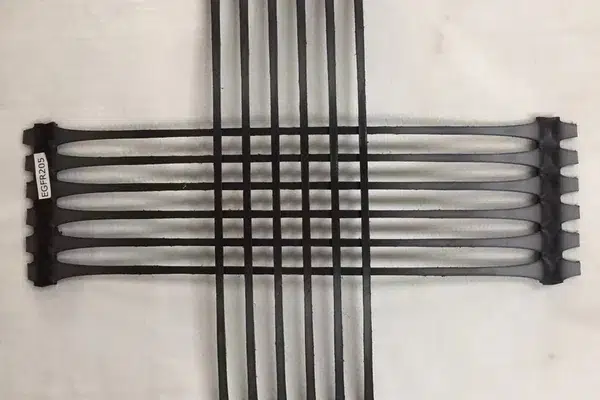
Send the section drawing, soil condition, aggregate, traffic or load, grid direction, quantity, destination, and required documents for a project-based RFQ review.
Request a geogrid spec checkBuyers should request material type, declared performance data and test method, primary tensile direction where relevant, aperture information, roll dimensions, packaging, coverage calculation, labels, batch traceability, quantity, delivery location, and any specified design or testing documents. This makes quotation comparisons more useful than a price-per-roll discussion.
What Can Geogrid Reinforcement Improve?
Geogrid can support different functions in different sections: aggregate interlock and load distribution in a base layer, or tensile reinforcement in a designed soil structure. The product should be selected by the load path and design function, not by the product name alone.
FHWA guidance treats geosynthetics as components of an engineered system. In a road base, the discussion may focus on aggregate, subgrade support, compaction, and construction traffic. In a wall or slope, tensile direction, reinforcement length, pullout, facing, drainage, and staged fill can become the controlling issues. [1]
The same grid should not be assumed to fit every application. A biaxial product may be considered for some aggregate-interlock applications, while a uniaxial product may be used where a defined reinforcement direction is required. The final selection must follow the approved design.
Which Properties Matter Beyond Tensile Strength?
Tensile strength is one data point. Buyers should also compare tensile direction, aperture stability, junction behavior, long-term design assumptions, soil-geogrid interaction, roll width, handling exposure, and the test method behind the declared value.
ASTM D6637 describes tensile testing for geogrids. It is useful for documented property comparison, but it does not provide a project-specific required strength. Long-term performance and required design values may depend on the application, creep considerations, soil, aggregate, damage exposure, and design method. [2]
For reinforced-soil work, buyers should distinguish a laboratory index value from the long-term design value used in the project calculation. Reduction factors, connection details, backfill, drainage, and the chosen design approach can all affect the final requirement. The quotation should never imply that a single short-term test number is a guaranteed structural outcome.
| Application | Primary material question | Risk if mismatched |
|---|---|---|
| Road base | Aperture, aggregate, subgrade, construction traffic | Rut development or poor aggregate confinement |
| Retaining wall | Tensile direction, design length, facing detail | Specified strength does not work in the intended direction |
| Slope reinforcement | Anchoring, soil cover, staged fill, drainage | Layer cannot be placed or protected as designed |
| Working platform | Subgrade, aggregate thickness, equipment movement | Displacement or loss of access during construction |
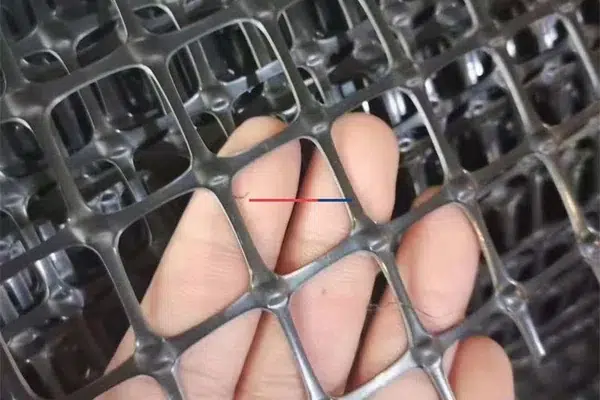
How Does Installation Affect Reinforcement?
Placement affects reinforcement performance. The grid must be laid in the required orientation, kept in position during cover placement, and protected from damage or distortion caused by uncontrolled equipment movement and aggregate spreading.
The project method should define formation preparation, roll layout, overlap or connection details where required, aggregate placement, lift thickness, compaction, and vehicle movement. A grid can be damaged or displaced before it performs any useful function if the site sequence is improvised.
Field Note: Many purchasing comparisons omit roll width. A low roll price can become poor value when the coverage plan creates extra joints, unnecessary waste, or a placement pattern that crews cannot keep aligned under aggregate.
What Procurement Mistakes Create Risk?
Common mistakes are comparing only nominal tensile strength, ignoring the required direction, mixing products with different functions, skipping test-method review, and ordering before the section drawing and coverage calculation are confirmed.
The International Geosynthetics Society offers education resources that help explain geosynthetic functions, but the supplier quotation still needs project inputs. A reliable manufacturer should be able to identify missing application information rather than present a generic roll as a complete engineering solution. [3]
Buyer Check: Confirm the application, design function, soil condition, aggregate, traffic or surcharge, grid direction, roll size, coverage, packaging, delivery access, test data, labels, and required documentation before order release.
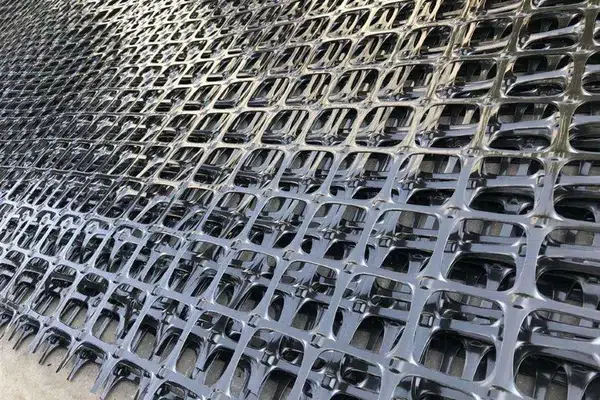
At delivery, compare roll labels and dimensions with the approved material schedule before placement begins. Check that the roll count supports the coverage calculation and that the planned orientation is clear to the site team. This small handover step can prevent the wrong grid from being installed in a critical direction.
What Should a Geogrid Reinforcement RFQ Include?
A complete RFQ includes the application, section drawing, soil and aggregate information, load or traffic condition, target grid function, tensile direction where relevant, roll dimensions, quantity, destination, and project-required test or design documents.
Buyers can review geogrid reinforcement products, compare soil reinforcement applications, and send the project section through the technical RFQ form before selecting a material.
FAQs
Does a stronger geogrid always improve the project?
No. The grid must match the design function, tensile direction, aggregate, soil, construction method, and long-term design requirements.
Can geogrid replace aggregate thickness?
Not automatically. It can support an engineered base or reinforcement section, but it does not replace required aggregate quality, drainage, compaction, or design thickness.
What should be compared in supplier quotations?
Compare the intended function, declared properties and test method, direction, roll size, coverage, packaging, documentation, and whether the supplier received the actual project inputs.
Conclusion
Geogrid reinforcement works when material function, direction, soil, aggregate, placement, and procurement details line up. Do not select a grid from tensile strength or roll price alone.