A dewatering tube can become an expensive site problem when slurry condition, conditioning, filling pressure, fabric selection, filtrate control, and available footprint were never confirmed.
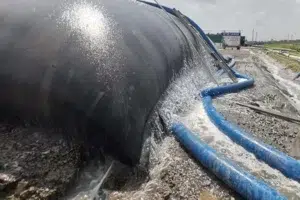
Geotube technology uses a permeable geotextile tube to contain solids while water drains through the fabric under a controlled filling and dewatering process. The final fabric and operating plan depend on slurry characteristics, conditioning, pumping, filling pressure, seam strength, site drainage, solids handling, and the project design.
The correct procurement decision begins with the material to be dewatered and the site process, not with a tube diameter or fabric weight alone.
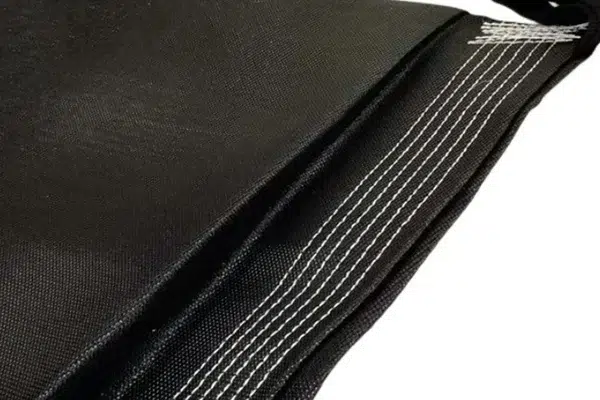
Send the material description, slurry volume, solids target, conditioning plan, site layout, pump information, quantity, destination, and documents for an RFQ review.
Request a dewatering tube checkA geotube RFQ should state material type, expected solids, slurry volume, conditioning information, pumping method, planned fill cycles, footprint, filtrate handling, target tube dimensions, seam requirement, quantity, destination, packaging, and required test documents.
What Does the Project Need the Material to Do?
A dewatering tube is a process component that retains solids while filtrate exits through the fabric; the project must define both the solids objective and the water-management route.
ASTM D4595 is a wide-width tensile test method that can support geotextile strength comparison. Tube selection still requires a process-specific review of filling, seams, support surface, and the material being contained. [1]
The dewatering rate and retained solids can change with slurry particle size, conditioning, fabric openings, hydraulic head, and the number of filling cycles. A product name does not predict performance for an untested sludge or slurry condition.
The site needs adequate space for tube deployment, controlled filtrate collection, and safe access for pumps and solids removal. These logistics can be as important as the fabric data sheet.
Which Conditions Change the Recommendation?
Slurry characteristics, polymer or conditioning program, pump flow, pressure, footprint, weather, filtrate route, and disposal plan change the tube and operating recommendation.
A tube used for dredged sediment, municipal sludge, industrial process solids, or mining fines can face different flow and retention conditions. The supplier should not claim a final dewatering outcome without project material information or suitable trial evidence.
ASTM D4491 measures geotextile water permeability by permittivity under standard conditions. It provides a useful fabric comparison point, but the test result does not reproduce the complete slurry, conditioning, and site operating process. [2]
Filtrate must have a defined collection or treatment route. A site that can fill a tube but cannot manage the drained water has an incomplete dewatering plan.
| Project condition | What to confirm | Risk if missed |
|---|---|---|
| Dredged sediment | Particle behavior, conditioning, footprint | Poor retention or unmanaged filtrate |
| Sludge dewatering | Solids, pump, fill cycles, discharge route | Tube overload or slow operation |
| Mining fines | Chemistry, flow, containment, testing | Fabric or process mismatch |
| Temporary site setup | Ground preparation, access, drainage | Damage and difficult solids removal |
Which Specification Variables Matter Most?
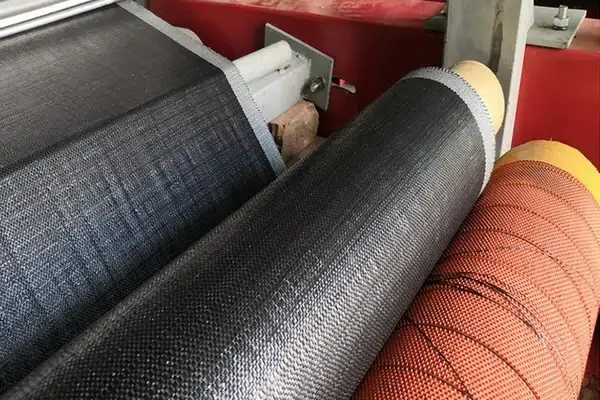
Fabric selection may involve tensile and seam requirements, apparent opening size, permittivity, tube dimensions, fill ports, and packaging, but the final values depend on the project process.
ASTM D4751 covers apparent opening size by a defined bead-sieving method. Buyers should ask how a stated opening-size value relates to the expected solids, conditioning program, and the filtration objective rather than treating it as a universal retention guarantee. [3]
Tube dimensions affect usable volume, footprint, pumping sequence, and site access. A larger tube is not automatically easier to operate if the base is unprepared or the available filling equipment cannot control the process.
Seam strength and fabrication detail matter because a tube is loaded during filling. Request the data sheet, stated test basis, seam information, ports, dimensions, labels, and packing details before approving bulk supply.
How Can Installation Create Rework?
Prepare a clean support area, control filling pressure, inspect seams and ports, manage filtrate, and keep equipment routes from damaging the fabric during deployment and operation.
The base should be free of sharp debris and have the drainage or containment arrangement required by the project. Filling should follow the approved operating method rather than relying on a nominal tube capacity.
Monitor tube shape, seams, discharge, and surrounding drainage during each cycle. Stop and review the process if pressure, leakage, or filtrate quality becomes inconsistent with the project plan.
Field Note: The most frequent RFQ gap is an expected tube size without a clear slurry volume, conditioning plan, or filtrate route. Those process details are needed before tube dimensions can be meaningfully compared.
What Should Buyers Compare Before Ordering?
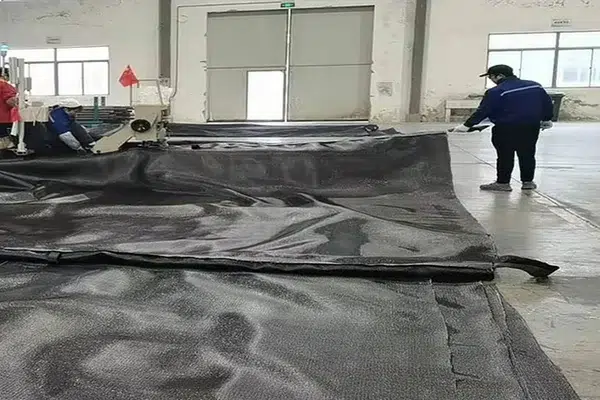
Compare fabric and fabrication data, tube dimensions, seam detail, ports, packing, labeling, process assumptions, logistics, and what proof the supplier can provide for the requested material class.
A low unit price can be misleading if it excludes the ports, fabrication layout, required documentation, or a practical plan for packing and site deployment. The total project process is the correct cost comparison.
QC Check: Review the data sheet, test methods, tube dimensions, seam and port detail, labels, batch traceability, packing, handling plan, and project-required reports before shipment.
The International Geosynthetics Society provides general educational resources, while final process selection remains project-specific and should follow the responsible team’s design and operating plan. [4]
What Should Be Included in an RFQ?
Send the material description, slurry volume, solids target, conditioning, pump and fill plan, footprint, filtrate handling, requested tube size, quantity, destination, packaging, and documents.
A reliable supplier can help identify missing material and logistics information, but should not invent a dewatering performance result without appropriate project data or trial evidence.
Buyers can review geotextile bag and tube options, explore dewatering applications, and send the process information through the geotube RFQ form.
FAQs
What does a geotube do?
It contains solids in a permeable geotextile tube while filtrate drains through the fabric under a controlled process. The actual result depends on slurry, conditioning, fabric, filling, and site conditions.
Can any geotextile be used for dewatering tubes?
No. Fabric and fabrication should be selected for the material, operating pressure, seam requirement, retention objective, dimensions, and project process.
What should buyers send for a quote?
Send the slurry description, volume, solids target, conditioning plan, pump and fill details, footprint, filtrate route, requested dimensions, quantity, destination, packing, and required documents.
Conclusion
Geotube technology is a material-and-process decision. Confirm slurry, conditioning, fabric, tube geometry, filling control, filtrate route, site support, and documentation before ordering.